
Best Carbon Monoxide and Smoke Detectors: The Buyer Checklist We Use
Disclosure: We may earn a commission when you buy through links on this page, at no extra cost to you. As an Amazon Associate I earn from qualifying purchases. Learn more

Smoke and CO combination alarms judged on sensors, certification, power and interconnection, with three picks.
Smoke and carbon monoxide alarms are among the cheapest and most important safety devices in any home. Smoke alarms give you precious minutes to escape a fire, while CO alarms warn you about an invisible, odorless gas produced by furnaces, water heaters, gas stoves, fireplaces and attached garages. Combination units handle both jobs in one device. This guide to the best carbon monoxide and smoke detectors walks through the checklist we use to judge them, three picks that pass, red flags to avoid and how to place and maintain alarms correctly.
The short answer: for most homes, choose UL listed combination alarms with a photoelectric smoke sensor, an electrochemical CO sensor and a 10 year sealed battery or hardwired power with backup; interconnected or smart alarms that all sound together give the best protection in multi level homes. This guide is general information; always follow your local fire code and the manufacturer's instructions.
How We Evaluate Carbon Monoxide and Smoke Detectors
We judge combination alarms against seven criteria that matter for safety and everyday use.
Sensor Type
Smoke alarms use photoelectric sensors, ionization sensors or both. Photoelectric sensors respond faster to slow, smoldering fires and are less prone to cooking false alarms, which is why many fire safety groups favor them near kitchens and bedrooms. CO alarms should use electrochemical sensors, which are accurate and long lasting.
Certifications
In the United States, look for UL 217 certification for smoke alarms and UL 2034 for CO alarms, or equivalent listings from recognized labs such as ETL. Uncertified alarms may not respond reliably and may not satisfy local codes or landlord requirements.
Voice Alerts and Displays
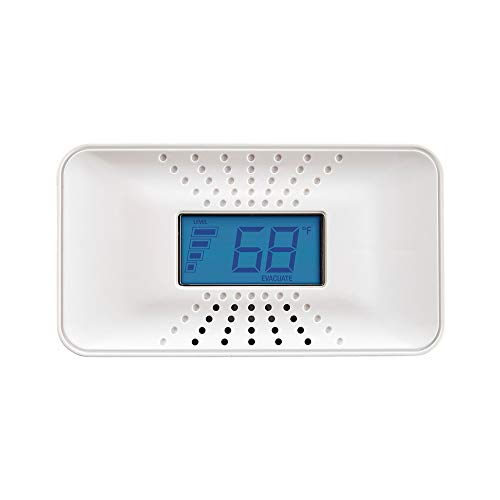
Voice alerts that say "Fire" or "Carbon monoxide" help family members react correctly, especially children. A digital CO display shows current or peak CO levels, useful for spotting low level leaks before they reach alarm thresholds.
Lifespan and Replacement
Smoke and CO sensors wear out. Most alarms should be replaced about every 10 years, and some CO alarms sooner, according to the manufacturer. Alarms with end of life warnings remind you when it is time.
Nuisance Alarm Reduction
False alarms from cooking or steam tempt people to remove batteries, which is dangerous. Look for photoelectric sensors, smart sensing that reduces cooking nuisance alarms and a hush button that silences an alarm briefly.
Power Source
Options include replaceable batteries, 10 year sealed lithium batteries and hardwired units with battery backup. Sealed batteries remove the need for battery changes and the dreaded low battery chirp, while hardwired alarms are often required in new construction.
Interconnection and Smart Features
Interconnected alarms sound together, so a fire in the basement wakes people upstairs. Wireless interconnect and smart alarms that send phone alerts add protection when you are away.
3 Picks That Pass Our Checklist
These three alarms meet our criteria for different homes and budgets.
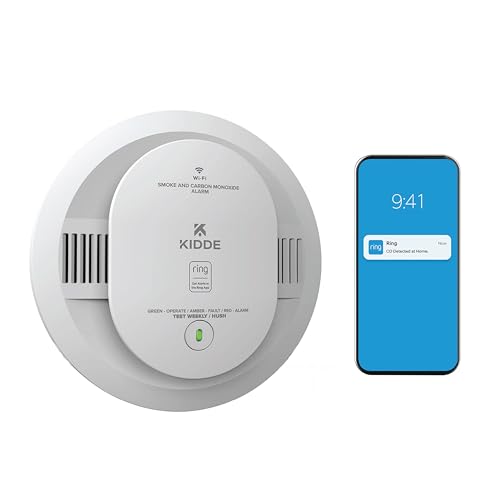
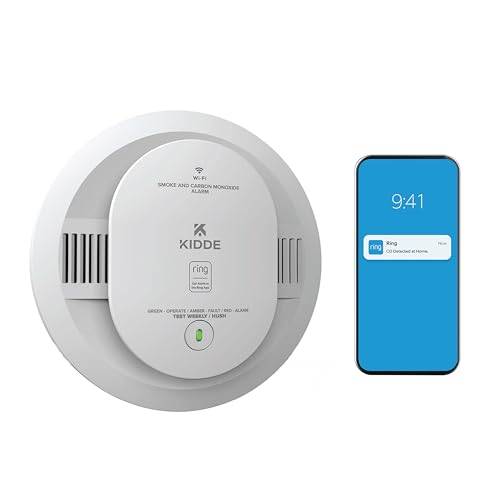
Best Overall: Kidde Smart Smoke and CO Detector with Ring
The Kidde Smart Smoke and CO Detector with Ring suits homeowners who want phone alerts and whole home protection. At around $70, it runs on two AA batteries, sends real time smoke, CO and low battery notifications through the Ring app with no subscription required and supports wireless interconnection so every Kidde alarm sounds together.
Its strengths are voice alerts, low level CO mobile alerts and enhanced sensing designed to reduce cooking nuisance alarms. An optional Ring subscription adds 24/7 professional monitoring. The limitation is that it uses AA batteries that need periodic replacement rather than a sealed 10 year battery.
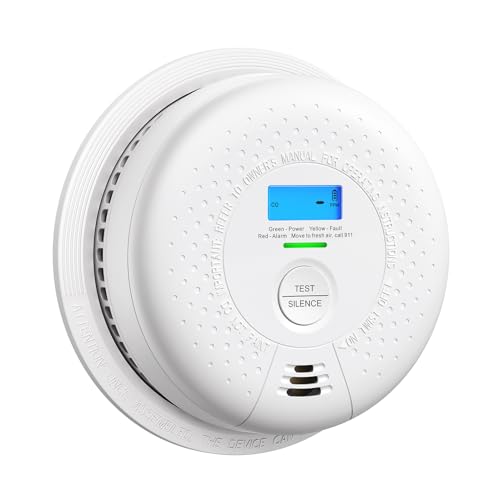
Best Value: X-Sense SC07 Smoke and CO Detector Combo
The X-Sense SC07 suits budget buyers who want reliable, low maintenance protection in every room. At around $37, it combines a photoelectric smoke sensor and an electrochemical CO sensor with a 10 year sealed lithium battery, and it is certified to UL 217 and UL 2034.
Its strengths are zero battery changes for a decade and simple screw mount installation with no wiring. The limitation is that this basic version does not interconnect wirelessly; X-Sense sells a separate wireless model for that.

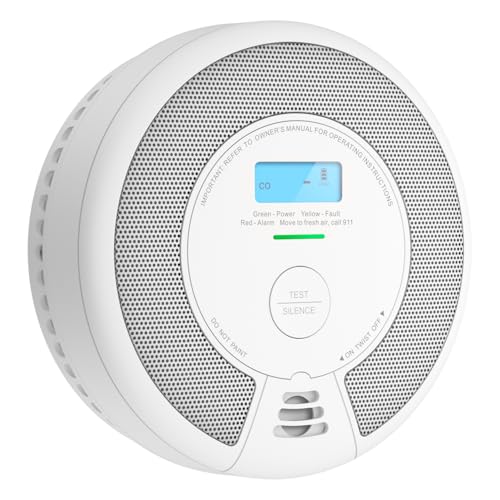
Best With a CO Display: X-Sense SC01
The X-Sense SC01 suits families who want to see CO levels at a glance. At around $36, it adds a real time CO and battery LCD display to a 10 year sealed battery combo alarm with an 85 dB siren, certified to UL 217 and UL 2034.
Its strengths are the digital readout, which helps you notice low CO levels, and photoelectric and electrochemical sensors designed to minimize false alarms. The limitation is the same as the SC07: the standard model is standalone and not interconnected.

Quick Buyer Checklist
- Is it UL 217 and UL 2034 listed, or equivalent?
- Does it use a photoelectric smoke sensor and an electrochemical CO sensor?
- Does the power source suit your home: sealed battery, AA or hardwired?
- Do you need alarms that interconnect so all of them sound together?
- Would voice alerts or a CO display help your household?
- Does it have an end of life warning and a hush button?
- Do you have enough alarms for every bedroom and every level?
Red Flags to Watch For
- No UL or recognized lab listing on the product or packaging.
- Smoke only alarms sold as CO protection.
- Unclear sensor types or vague marketing claims.
- No manufacture date or replacement guidance.
- Very cheap unbranded alarms from unknown sellers.
Where to Install Smoke and CO Alarms
Install smoke alarms inside every bedroom, outside each sleeping area and on every level of the home, including the basement. Place CO alarms on every level and near sleeping areas, so the alarm can wake sleepers. Mount smoke alarms on the ceiling or high on walls, following the manufacturer's distance guidance, and keep them about 10 feet from cooking appliances to reduce nuisance alarms. Avoid placing alarms near windows, doors, ceiling fans or vents, where drafts can delay detection, and do not put CO alarms right next to fuel burning appliances. Combination alarms simplify things in hallways outside bedrooms.
Best Carbon Monoxide and Smoke Detectors for Specific Needs
Different homes call for different setups.
Top 10 Year Carbon Monoxide Smoke Detectors: What to Check
Ten year sealed battery alarms are the easiest to live with because you never change batteries. Check that the alarm is certified for both smoke and CO, that the 10 year rating covers the sensors as well as the battery and that it has an end of life signal. Write the installation date on each alarm so you know when to replace it.
For Apartments and Renters
Renters should choose battery powered combo alarms that mount with a few screws and leave no wiring changes. Check your lease and local rules, since landlords are often responsible for providing alarms.
For Large or Multi Level Homes
Interconnected alarms are strongly recommended so everyone hears a warning wherever it starts. Choose hardwired interconnected alarms in new builds or wireless interconnected and smart alarms in existing homes.
For Homes With Gas Appliances or Attached Garages
Homes with gas furnaces, water heaters, stoves, fireplaces or attached garages need CO alarms on every level. A CO display helps you spot problems early.
How Many Alarms Do You Need?
Count one smoke alarm for each bedroom, one for each hallway or area outside sleeping rooms and at least one on every level, including the basement and finished attics. Add CO alarms on every level and near sleeping areas. A typical three bedroom, two story home with a basement might need six to eight smoke alarms, several of which can be combination units. Multipacks of combination alarms make it more affordable to cover the whole home at once.
Understanding Carbon Monoxide Levels
Carbon monoxide is measured in parts per million (ppm). Alarms that meet UL 2034 are designed to sound based on both concentration and time, so a low level must persist longer before the alarm triggers, while high levels trigger quickly. That design avoids false alarms from brief spikes while still warning you before levels become dangerous. A CO display or peak memory feature can show low levels that have not triggered an alarm yet, which may indicate a furnace, water heater or vent problem worth having a professional inspect.
Common Causes of False Alarms
Cooking smoke, steam from showers, dust, insects and humidity are the usual culprits behind nuisance smoke alarms. Move alarms that sit too close to kitchens or bathrooms, clean them regularly and choose photoelectric models with nuisance reduction near cooking areas. A CO alarm that sounds should always be treated as real until emergency responders confirm otherwise; do not assume it is a fault.
Smart Alarms and Home Integration
Smart smoke and CO alarms send notifications to your phone when they sound, when batteries are low or when an alarm reaches end of life. That is valuable when you are at work, traveling or have elderly relatives living alone. Some work with existing smart home systems or offer optional professional monitoring, where a monitoring center can contact emergency services. If you use a smart home hub or security system, check compatibility before choosing a brand so all your alarms appear in one app.
Hardwired vs Battery Alarms
Hardwired alarms with battery backup draw power from your home's electrical system and are often required in new construction and major renovations. They usually interconnect through wiring so all alarms sound together. Battery alarms are easier to install anywhere. Ten year sealed battery models remove battery maintenance, while AA models need fresh batteries periodically. Wireless interconnect now gives battery alarms the whole home coverage that used to require wiring.
Tips to Get the Most From Your Carbon Monoxide and Smoke Detector
- Press the test button monthly to confirm the alarm sounds.
- Vacuum or dust alarms gently a few times a year to keep sensors clear.
- Replace alarms by the date the manufacturer recommends, usually about 10 years.
- Never paint over alarms or cover them with decorations.
- Practice a home escape plan with two ways out of every room.
- If a CO alarm sounds, get everyone outside to fresh air and call emergency services.
FAQs
These are the questions homeowners ask most.
Where should I install smoke and CO detectors?
Put smoke alarms in every bedroom, outside sleeping areas and on every level. Install CO alarms on every level and near sleeping areas. Follow local codes and the manufacturer's placement guidance.
Do I need separate smoke and CO alarms?
Not necessarily. Combination alarms detect both and work well in hallways near bedrooms. Some people add standalone CO alarms near gas appliances or standalone smoke alarms in bedrooms.
How long do detectors last?
Most smoke and combination alarms should be replaced about every 10 years. Check the manufacture date on the back and follow the manufacturer's end of life guidance.
Hardwired or battery: which is better?
Both protect well when installed correctly. Hardwired alarms suit new builds and code requirements; sealed battery alarms suit existing homes and renters. Interconnection matters more than power source.
Do smoke alarms expire?
Yes. Sensors lose sensitivity over time, so replace smoke and combination alarms about every 10 years even if they still beep when you press the test button. The manufacture date is printed on the back.
Are smart smoke alarms worth it?
For many homes, yes. Phone alerts and interconnection add peace of mind when you are away and make sure everyone hears an alarm anywhere in the house. Standard certified alarms still provide essential protection if budget is tight.
What should I do if a CO alarm goes off?
Move everyone, including pets, outside to fresh air immediately and call 911 or your local emergency number. Do not go back inside until responders say it is safe.
Taking a few minutes to compare the best carbon monoxide and smoke detectors against this checklist, then installing enough alarms in the right places, is one of the most valuable safety steps you can take for your household.
Our Verdict
The three things that matter most are certified sensors, a power source you will maintain and enough alarms in the right places, ideally interconnected. Smart interconnected alarms offer the most protection, 10 year sealed battery combo alarms are the easiest value and CO displays add early warning. Use this guide to choose the best carbon monoxide and smoke detectors for your home, then check the product table above for current prices. For more home protection, see the best exterior security cameras.


