
Best Cellular Trail Cameras: What Actually Matters Before You Buy
Disclosure: We may earn a commission when you buy through links on this page, at no extra cost to you. As an Amazon Associate I earn from qualifying purchases. Learn more

Cellular trail cameras judged on coverage, trigger speed, night vision, power and plans, with three picks.
A cellular trail camera sends photos and video straight to your phone, so you can watch deer movement, check on a remote cabin or monitor a property without walking in and pulling SD cards. That means less scent and disturbance in your hunting area and instant alerts when something happens. The catch is that cellular cameras involve data plans, network coverage and power choices that regular trail cameras do not. This guide to the best cellular trail cameras explains the checklist we use, three picks that pass, red flags to avoid and how to set up and maintain a camera in the field.
The short answer: choose a camera that automatically connects to multiple carriers, has a fast trigger with a no glow or low glow flash and pairs with a solar panel or lithium battery pack; then pick a data plan that matches how many photos you expect each month. Hunters on a budget can start with a value two pack, while serious scouts and property owners benefit from premium cameras with live view and solar power.

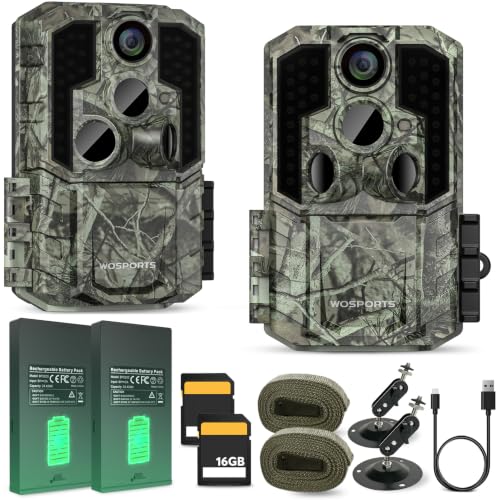
How We Evaluate Cellular Trail Cameras
We judge cellular trail cameras on seven criteria that matter most in the field.
Network Coverage and Carrier Support
A cellular camera is only as good as its signal. Cameras that auto connect to the strongest of several U.S. carriers are far more reliable in remote areas than single carrier models. Check coverage maps for your property and look for a signal strength indicator in the app or on the camera.
Image Quality
Photo megapixel numbers are often interpolated, so focus on real world sharpness, color in daylight and clarity at night. Cameras usually send smaller thumbnails over cellular and let you request full resolution images or video when needed, which saves data.
Trigger Speed and Detection Range
A trigger speed of around half a second or faster captures moving animals before they leave the frame. Detection range of 80 to 100 feet suits field edges and food plots; narrower ranges suit trails and funnels.
Night Vision and Flash Type
Low glow infrared flashes give brighter night images but emit a faint red glow. No glow flashes are invisible to people and animals, which is better for security and wary deer, though night images may be a little darker or shorter range.
Battery Life and Power Options
Cellular cameras use more power than standard cameras because they transmit data. Lithium AA batteries, rechargeable lithium packs and solar panels extend runtime. A solar panel can keep a camera running for months with little maintenance.
App, Plans and Features
The companion app matters as much as the camera. Look for clear photo galleries, species or buck filtering, weather and moon data, remote settings changes and GPS mapping. Compare monthly plans, since costs vary by photo count and video access, and check for seasonal or pause options.
Durability and Ease of Setup
Weather resistant housings, secure latches and strap or mount options keep cameras running through rain and snow. Live aim or a built in screen helps position the camera precisely, and automatic carrier selection removes SIM card hassles.
3 Picks That Pass Our Checklist
These three cameras meet our criteria for different budgets and uses.
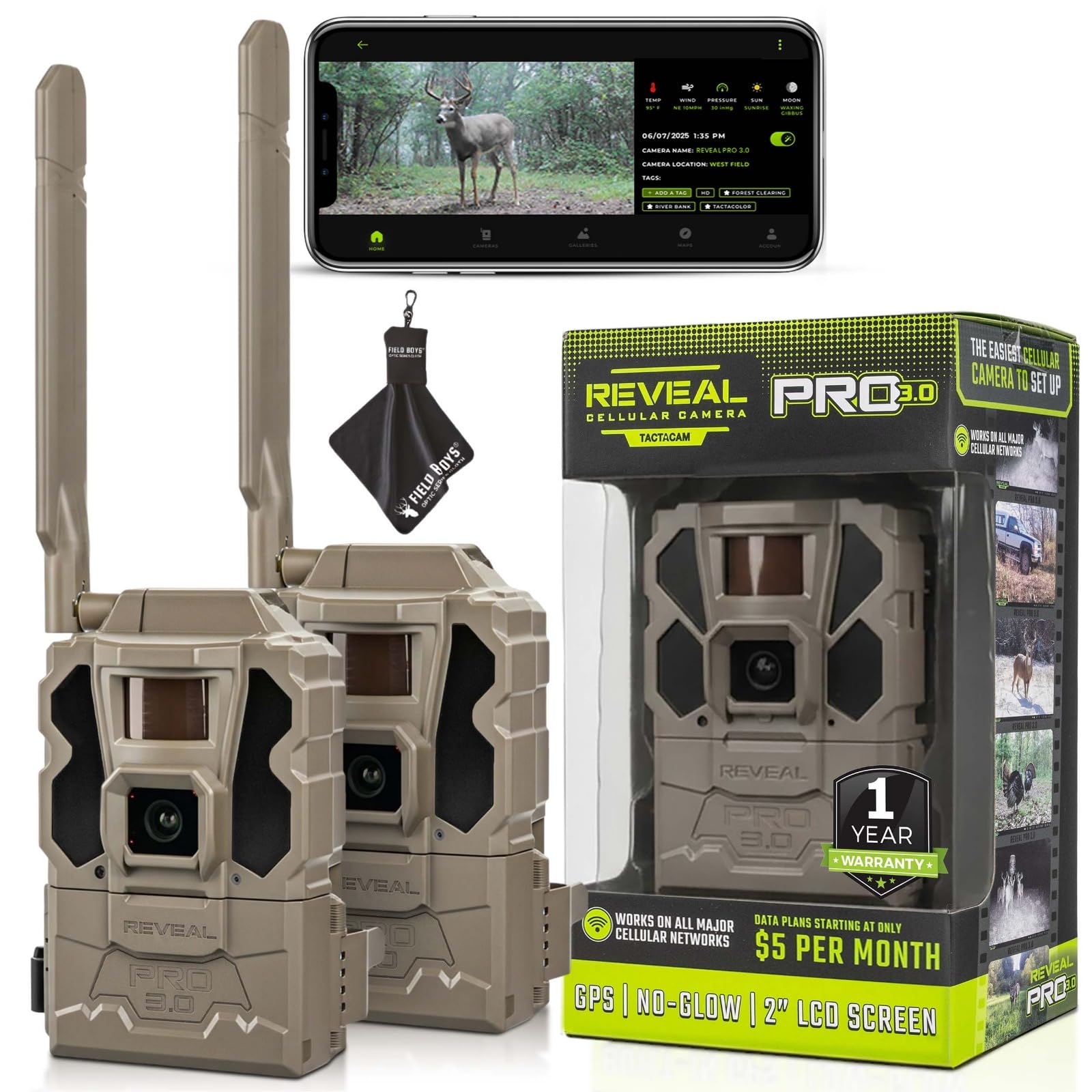
Best Overall: TACTACAM Reveal Pro 3.0 (2 Pack)
The TACTACAM Reveal Pro 3.0 suits hunters and landowners who want reliable coverage, easy setup and solid night images. At around $250 for two cameras, it connects across multiple cellular networks and adds built in GPS, a 2 inch LCD screen for aiming, a no glow infrared flash and Wi Fi for local access.
Its two standout strengths are multi network connectivity for better reliability in remote areas and the screen and GPS, which make placement and tracking simple. HD photos and 1080p video cover both scouting and security. The limitation is that you will still need a data plan, and the no glow flash trades some night brightness for stealth.

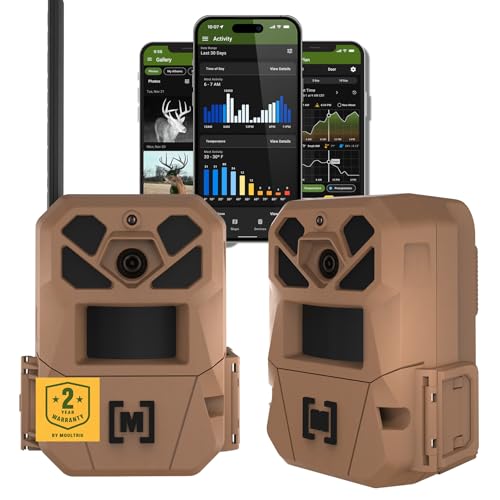
Best Value: Moultrie Edge 3 Cellular Trail Camera (2 Pack)
The Moultrie Edge 3 suits budget conscious hunters who want two cellular cameras for the price of one premium model. At around $99 for two, it auto connects to the strongest of four major U.S. networks with no SIM cards.
Its strengths are AI buck detection with instant alerts, a 0.5 second trigger with a 100 foot range, low glow infrared night images, live aim and built in GPS. It also controls compatible Moultrie feeders from the app. The limitation is that the low glow flash is visible at close range, and plans start around $10 per month according to Moultrie.
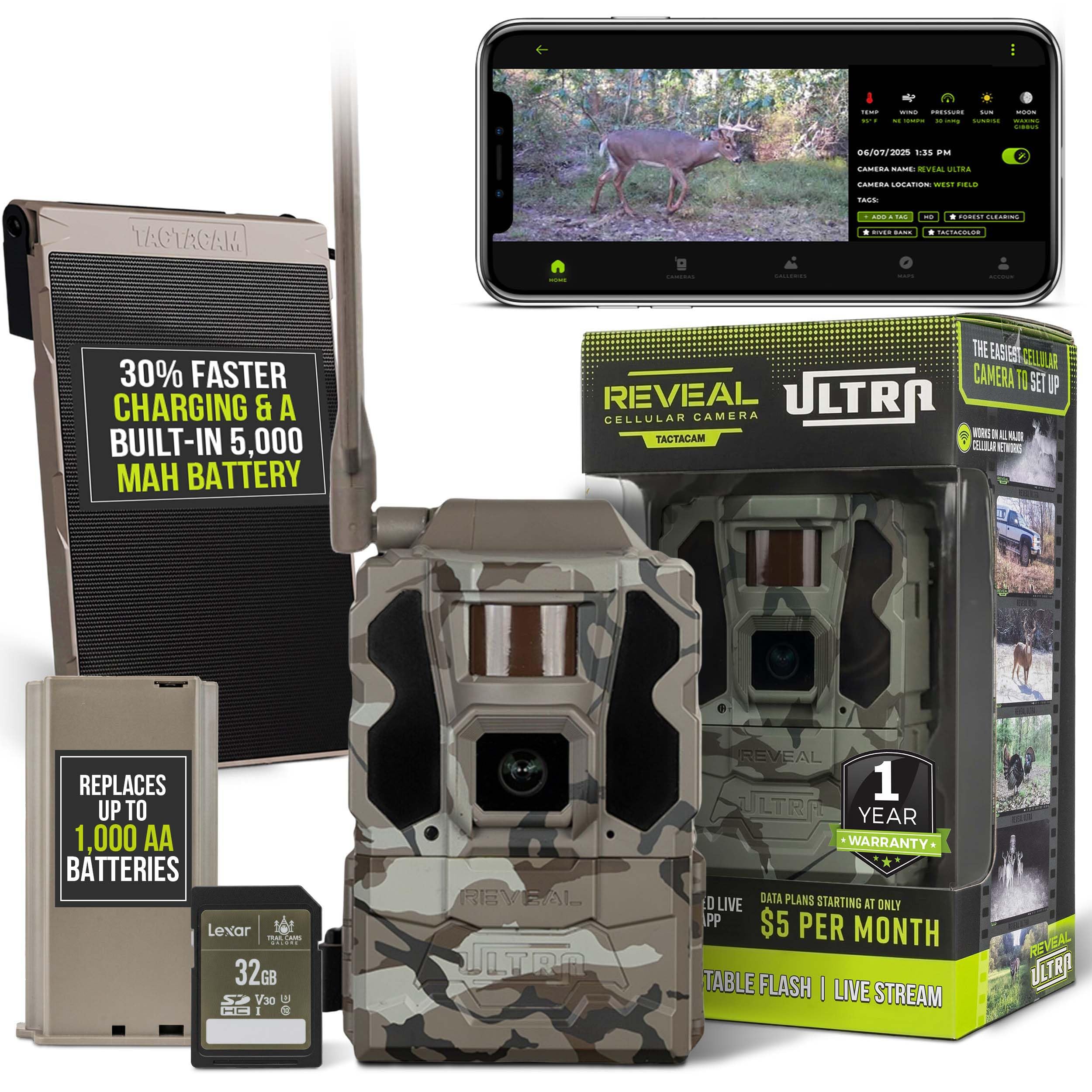
Best for Heavy Use: TACTACAM Reveal Ultra
The TACTACAM Reveal Ultra suits serious scouts, outfitters and property owners who want live streaming and minimal maintenance. At around $280, it includes a solar panel, a lithium battery pack and a 32GB SD card, and offers 4K photos, 1080p video, GPS and switchable low glow or no glow flash.
Its strengths are live streaming for real time checks and solar power for long deployments. The limitation is the higher price, plus data use rises if you stream or download lots of video.

Quick Buyer Checklist
- Does it connect to multiple carriers that cover your property?
- Is the trigger speed around half a second or faster?
- Do you prefer no glow stealth or low glow brightness at night?
- Can you add a solar panel or lithium battery pack?
- Does the app offer filters, GPS and remote settings?
- Do the monthly plans fit your expected photo volume?
- Is the housing weather resistant with secure mounting?
Red Flags to Watch For
- Single carrier cameras in areas with patchy coverage.
- Unclear plan pricing or required long contracts.
- Inflated megapixel claims with blurry sample images.
- Weak batteries with no external power option.
- Apps with poor ratings for reliability and support.
Cellular vs Standard Trail Cameras
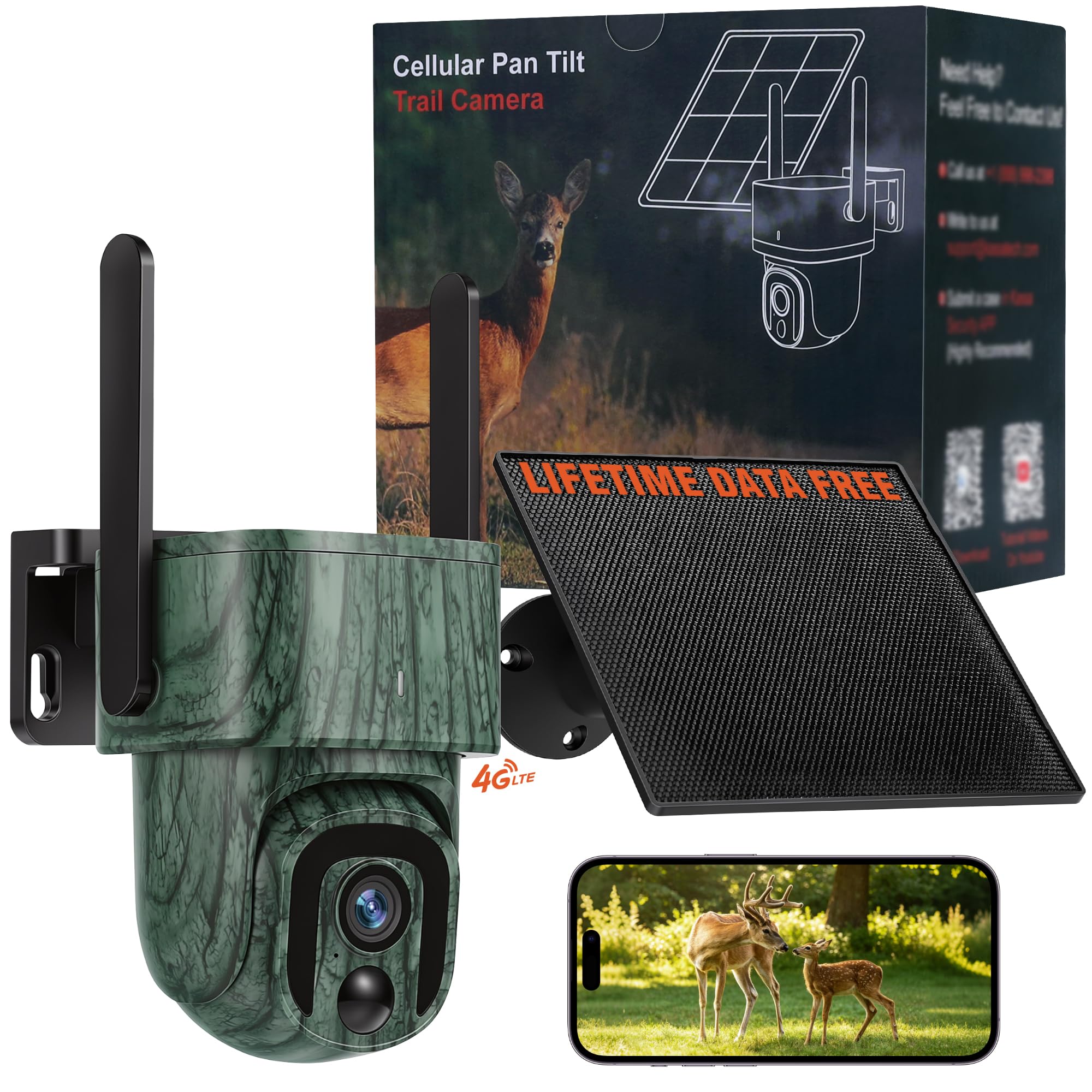
Standard trail cameras save images to an SD card that you collect in person. They cost less and have no monthly fees, but every check means walking in and leaving scent. Cellular cameras send images to your phone, letting you pattern deer in real time and check remote properties from home. Many hunters use a mix: cellular cameras on key spots where timing matters and cheaper standard cameras elsewhere. Some newer cameras even include lifetime data options with no monthly fees, so compare total costs over a few seasons.
Understanding Data Plans
Most cellular trail camera plans charge monthly based on how many photos you receive, with higher tiers adding unlimited thumbnails, HD downloads or video. Seasonal plans let you pay only during hunting season, while annual plans often cost less per month. Estimate your needs: a camera on a busy feeder can send hundreds of photos a week, while a security camera on a gate may send far fewer. Settings such as delay between triggers and photo bursts help control data use.
Using Cellular Cameras for Property Security
Cellular trail cameras are popular for watching remote cabins, farm gates, construction sites and hunting land. No glow flashes keep cameras discreet, and instant alerts let you react quickly. Mount cameras high and angled down, use a lock box and cable lock, and position them where they capture faces and license plates on entry routes.
Best Cellular Trail Cameras for Different Uses
The best cellular trail cameras for one job are not always ideal for another, so match features to your goal.
For Food Plots and Field Edges
Open areas call for long detection range, wide fields of view and good daylight image quality. Time lapse modes, where available, can show deer entering a field beyond the trigger range.
For Rut Scouting and Trails
On trails, scrapes and funnels, fast triggers and short recovery times matter most, so you capture bucks moving through quickly. Buck detection and filters help you focus on the animals you care about.
For Wildlife Watching
Nature lovers who want to see foxes, birds, bears or bobcats benefit from video clips with sound and sharp color daytime images. Instant alerts make it easy to share sightings with family.
For Remote Property Monitoring
For cabins, gates and equipment, choose no glow flashes, solar power and security boxes. GPS and theft alerts on some models help recover stolen cameras.
Placement Strategies Through the Season
Early season, deer follow predictable patterns between bedding and food, so cameras on field edges and food plots reveal which bucks are using an area. As the rut approaches, move cameras to scrapes, rub lines and travel corridors where bucks cruise for does. Late season, food sources such as standing crops and winter browse become key again. Cellular cameras let you move setups less often and react quickly, since you see activity changes without walking in.
Accessories Worth Adding
- A solar panel for long deployments and fewer battery swaps.
- Lithium AA batteries, which outperform alkaline in cold weather.
- A security box and cable lock to deter theft.
- Tree mounts that angle the camera precisely on crooked trunks.
- A quality SD card for full resolution backups on the camera.
- A signal booster antenna on supported models for weak coverage spots.
Setup Tips for Better Photos
- Activate the camera and plan at home, then confirm a strong signal on site.
- Mount the camera about waist to chest high for deer, angled slightly down.
- Face north or south when possible to avoid sun glare at sunrise and sunset.
- Clear branches and tall grass from the frame to reduce false triggers.
- Use live aim or the screen to frame the trail or food plot.
Care and Maintenance Tips
Check battery and signal levels in the app regularly, and clean the lens, flash and solar panel during visits. Replace worn latch seals and keep spare batteries handy before cold snaps, which drain batteries faster. Update firmware through the app, and store cameras indoors in the off season with batteries removed.
FAQs
These are the questions hunters and landowners ask most.
Do cellular trail cameras need a subscription?
Most do, because they use cellular data. Some brands offer free basic tiers or lifetime data cameras with no monthly fees. Compare plan costs over a few seasons when choosing a camera.
How much should I spend on my first one?
Value cellular cameras start around $50 to $100 each, especially in multipacks. Premium cameras with solar, live view and better optics cost $200 to $300.
Will cellular trail cameras work without cell service?
They need at least a weak signal to transmit. Without coverage, they will still record to the SD card like a standard trail camera but will not send alerts.
Which is better for low light?
Low glow infrared flashes give brighter night images; no glow flashes are stealthier. Choose low glow for open fields and no glow for security or pressured deer.
Are cellular trail cameras legal for hunting?
In most areas, yes, but some states restrict transmitting cameras during hunting season or on public land. Check your state wildlife agency's rules before deploying cameras.
Can someone else see my camera's photos?
Photos go to your account in the manufacturer's app. Use a strong password and two factor authentication if available, and share access only with people you trust.
How long do batteries last?
It depends on activity, settings and temperature. Lithium batteries last much longer than alkaline, and a solar panel can keep a camera running for months.
Final Thoughts
The three things that matter most are reliable multi carrier connectivity, a fast trigger with the right flash and a power setup that keeps the camera running. Most hunters will be happiest with a proven multi network camera, budget buyers can cover more ground with value multipacks and heavy users should choose solar powered cameras with live view. Use this guide to choose the best cellular trail cameras, then check the product table above for current prices. For home monitoring, see the best outdoor security cameras without subscription.


