
Best Exterior Speakers: Every Type Explained Side by Side
Disclosure: We may earn a commission when you buy through links on this page, at no extra cost to you. As an Amazon Associate I earn from qualifying purchases. Learn more

Wall mounted, rock, powered Bluetooth and portable exterior speakers compared side by side, with placement, weatherproofing and wiring tips.
Music on the patio, by the pool or around a fire pit makes outdoor space feel like part of the house, but shopping for exterior speakers can be confusing. Wall mounted pairs, rock shaped landscape speakers, powered Bluetooth units and portable speakers all claim to be weatherproof, yet they work in very different ways. This guide to the best exterior speakers explains every type side by side so you can choose the one that suits your yard, your budget and how much installation you are willing to do.
The short answer: for a permanent patio or deck system, choose passive all weather wall mounted speakers powered by an amplifier or receiver; pick rock or landscape speakers when you want sound that blends into a garden, a powered Bluetooth wall pair if you want permanent mounting without an amplifier, and a portable IP67 Bluetooth speaker if you just need music anywhere outside.


Top 3 Picks at a Glance
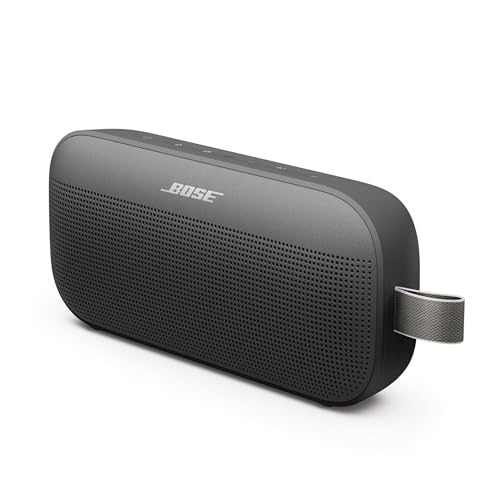
These three speakers represent the strongest choice in the three most popular exterior types.


Types of Exterior Speakers Compared
The table below summarizes the four main types of exterior speakers before we look at each one in detail.
| Type | Best For | Pros | Cons | Typical Price |
|---|---|---|---|---|
| Passive wall mounted | Patios, decks, porches | Excellent sound, durable, expandable systems | Needs amplifier and speaker wire | around $120 to $450 per pair |
| Rock and landscape | Gardens, pool areas, yards | Blends into landscaping, wide dispersion | Wire burial, harder installation | around $150 to $250 each |
| Powered Bluetooth wall mounted | Easy permanent installs | Built in amplifier, stream from phone | Needs outdoor power, fewer upgrade options | around $130 to $200 per pair |
| Portable Bluetooth | Camping, beach, flexible use | No installation, rugged, take anywhere | Limited volume and coverage, needs charging | around $50 to $400 |
Wall Mounted Passive Models
Passive wall mounted speakers are the classic choice for patios and decks. They contain woofers and tweeters inside sealed, weather resistant cabinets made from UV resistant plastic with rust proof grilles and brackets. Because they have no built in amplifier, they connect to a stereo receiver, amplifier or streaming amp with outdoor rated speaker wire.
The benefits are excellent sound quality, long lifespan and the ability to expand into multiple zones. The drawback is installation: you need to run wire and find a spot for the amplifier indoors. These suit homeowners who want a permanent, high quality outdoor system, such as a pair of Polk Atrium speakers mounted under an eave.
Rock and Landscape Models
Rock speakers disguise drivers inside a resin enclosure shaped and colored like natural stone, so they blend into flower beds and pool areas. Most are passive and connect to an amplifier through direct burial wire, though some newer models include Bluetooth and batteries.
They spread sound widely across a yard at ground level, avoiding the need to mount anything on the house. The downside is that installation involves trenching for wire, and bass can sound weaker in open space without walls to reinforce it. These suit landscaped gardens, pools and anyone who wants music without visible speakers.
Powered Bluetooth Wall Mounted Models
Powered outdoor speakers combine a wall mounted pair with a built in amplifier, usually in the main speaker, and Bluetooth for streaming from a phone. You still mount them permanently, but you only need an outdoor power outlet and a short wire between the two speakers.
They offer a simpler setup than passive systems while delivering more volume and coverage than portable speakers. The trade off is fewer upgrade options and reliance on the built in amp, which can be the first component to fail. They suit renters, garages and homeowners who want permanent outdoor music without a receiver.
Portable Bluetooth Models
Portable outdoor speakers are battery powered and usually waterproof to IP67, so they survive rain, splashes and even brief dunks in the pool. They go anywhere, from patio to beach to campsite, and require no installation at all.
Their limitation is coverage. Even large portable speakers cannot match a pair of wall mounted speakers for filling a big yard with balanced stereo sound. They suit people who want flexible outdoor music for small groups or who also want a speaker for travel.
Wall Mounted Models vs Portable Models: Which Should You Choose?
Comparing the two most common choices directly helps clarify which one fits your space.
- Sound quality and coverage: Wall mounted pairs win with true stereo separation, deeper bass and even coverage across a patio. Portable speakers sound good close up but thin out over distance.
- Installation: Portable speakers need none. Wall mounted passive speakers require mounting brackets, wiring and an amplifier.
- Durability: Both are weather resistant, but permanently installed speakers are designed to stay outside year round, while portable speakers are best brought inside after use.
- Flexibility: Portable speakers move anywhere. Wall mounted systems stay put but can expand into multiple zones.
- Cost: A good portable speaker costs around $60 to $400, while a wall mounted system with an amplifier runs around $250 to $700 or more.
Choose wall mounted speakers for a dedicated outdoor living area you use often. Choose portable speakers if you entertain occasionally, rent your home or want one speaker for many places.
How to Choose the Right Exterior Speaker
Once you know the type, compare models on the factors below. These separate the best exterior speakers from ones that disappoint after a season outside.
Sound Spill and Neighbor Considerations
Outdoor sound travels far and has no walls to contain it. Aim speakers toward your listening area and away from property lines, and use several smaller speakers at moderate volume rather than two large speakers at high volume. Rock speakers placed low and angled inward help keep sound in your yard. Many cities have noise ordinances, so check local rules for evening listening.
Placement and Area Size
For patios and decks, mount wall speakers 8 to 10 feet high and 8 to 10 feet apart, angled slightly down toward the seating area. Placing speakers under an eave adds protection from sun and rain. Larger yards benefit from multiple pairs or rock speakers spaced around the perimeter. Consider a stereo pair for small areas and mono mode, which sends full sound to each speaker, for wide spaces where listeners move around.
Ecosystem and App Features
Passive speakers work with any amplifier, including streaming amplifiers that connect to WiFi, AirPlay, Chromecast or multiroom systems. Powered and portable speakers often include companion apps with EQ adjustments, firmware updates and party modes that link several speakers together. If you already use a multiroom audio platform at home, choose outdoor speakers or amplifiers that integrate with it.
Sound Quality and Tuning
Larger woofers deliver more bass outdoors, where sound disperses quickly. Look for 5.25 to 8 inch woofers for patios and yards, and 2 to 4 inch drivers only for small balconies. Check power handling and sensitivity to match an amplifier properly. Mounting speakers near a wall or eave reinforces bass, while speakers in open lawns sound lighter.
Durability and Water Resistance (IP Rating)
Exterior speakers should resist rain, humidity, UV light and temperature swings. Wall mounted and rock speakers usually list all weather construction with sealed cabinets and rust proof hardware. Portable speakers use IP ratings; IPX4 covers splashes, while IP67 means dust tight and waterproof for brief submersion. Coastal homes should look for marine grade or salt resistant materials.
Wiring and Powering Exterior Speakers
Passive outdoor speakers need an amplifier or receiver indoors, connected with outdoor or direct burial rated speaker wire. For runs under 50 feet, 16 gauge wire is usually fine; longer runs benefit from 14 or 12 gauge wire to avoid power loss. Drill through walls with a sealed wall plate or exterior grade grommet to keep water out.
Powered speakers need a weatherproof outdoor outlet with a GFCI and an in use cover. For larger systems with many speakers, consider an amplifier with impedance matching or a 70 volt system designed for multiple outdoor speakers. Hiring an electrician for new outdoor outlets is wise if you are not comfortable with electrical work.
Common Mistakes When Installing Exterior Speakers
The most frequent mistake is mounting speakers too low or pointing them straight out toward the yard. Speakers mounted at head height blast nearby listeners while leaving the far side of the patio quiet, and sound aimed outward travels to neighbors instead of your guests. Mount higher and angle down toward the seating area for even coverage.
Another mistake is using indoor speaker wire outdoors. Standard wire jackets crack under UV light and moisture, which leads to corrosion and intermittent sound. Use outdoor rated or direct burial wire, and seal every wall penetration. Many people also underpower passive speakers with a small amplifier, then turn the volume to maximum, which causes clipping that can damage tweeters. Choose an amplifier with power that matches or slightly exceeds the speakers' recommended range.
Finally, avoid placing rock speakers where sprinklers hit them constantly or where lawn mowers can clip them. Set them slightly back from edges and on a gravel base so water drains away. A few minutes of planning before installation prevents most outdoor speaker problems.
Care and Maintenance Tips
Each type needs slightly different care to last for years. For powered and portable speakers, keep firmware updated through the companion app to improve connection stability and battery management.
Bring portable speakers indoors after use and store them in a case to protect drivers and ports. For wall mounted and rock speakers, clean grilles with a soft brush and mild soapy water every season, and clear leaves, spider webs and soil away from ports.
In regions with harsh winters, consider removing wall speakers or covering them, and disconnect amplifiers during thunderstorms. Check wire connections annually for corrosion, and rinse portable speakers with fresh water after pool or beach use.
FAQs
Can exterior speakers stay outside all year?
Yes, most wall mounted and rock exterior speakers are designed to stay outside year round. They use sealed cabinets, UV resistant materials and rust proof hardware. Mounting them under an eave extends their life further. Portable Bluetooth speakers, by contrast, should be brought indoors when not in use to protect batteries from heat and cold.
Wired or wireless: which sounds better?
Wired passive speakers sound better and cover larger areas than wireless portable speakers. A good amplifier and wall mounted pair deliver deeper bass, true stereo and more volume without compression. Bluetooth is convenient for streaming, and many systems combine both by using a Bluetooth or WiFi streaming amplifier with wired outdoor speakers.
What IP rating do I need for outdoor use?
For portable speakers used outdoors, look for at least IPX4, and ideally IP67. IPX4 handles splashes and light rain, while IP67 survives dust, sand and brief submersion, making it ideal for pools and beaches. Permanently installed speakers often list all weather ratings instead of IP codes, which indicates design for year round exposure.
Do I need a special codec?
No, you do not need a special codec for outdoor listening. Background music outdoors does not reveal the small differences between Bluetooth codecs. Connection stability and range matter more. If you want the best quality, use a WiFi streaming amplifier or wired connection rather than worrying about codec support.
How long does the battery last on portable outdoor speakers?
Most portable outdoor speakers last around 10 to 20 hours per charge. Larger models often reach the higher end, while compact clip speakers typically run around 10 to 12 hours. High volume and party modes reduce battery life, so bring a power bank or charge before long gatherings.
Final Thoughts
The right exterior speaker depends on how permanent you want your setup to be and how much space you need to fill. Passive wall mounted speakers deliver the best sound for patios and decks, rock speakers blend into gardens and pool areas, powered Bluetooth wall pairs simplify permanent installs, and portable speakers offer flexibility anywhere.
Focus on weather resistance, woofer size for your space and careful placement to keep sound in your yard. Then compare the best exterior speakers in the product table above to find the right type for your outdoor living area.


