
Best Flip Smartphones: Types Compared and How to Choose
Disclosure: We may earn a commission when you buy through links on this page, at no extra cost to you. As an Amazon Associate I earn from qualifying purchases. Learn more

Foldable and basic flip phones compared, with three picks and advice on carriers and durability.
Flip phones are back, but today the word covers two very different devices. Foldable flip smartphones like the Motorola Razr and Samsung Galaxy Z Flip fold a full size touchscreen in half to fit a small pocket, while modern basic flip phones offer calls, texts and long battery life with physical buttons and fewer distractions. This guide to the best flip smartphones compares every type side by side, explains what to look for in a foldable or basic flip phone and helps you choose the right one for your habits and budget.
The short answer: if you want a full smartphone in a compact, fun design, choose a foldable flip phone with good software support and a useful cover screen; if you want a simpler phone for calls and texts, a digital detox or an older family member, choose a 4G basic flip phone that works on your carrier, with big buttons and long battery life.


Our Top 3 Picks at a Glance
For a quick starting point, these three phones cover the main types.
Best foldable value: the Motorola Razr (current base model), around $550, is an unlocked foldable flip smartphone made for U.S. networks with 8GB of RAM, 256GB of storage and a 50MP camera.

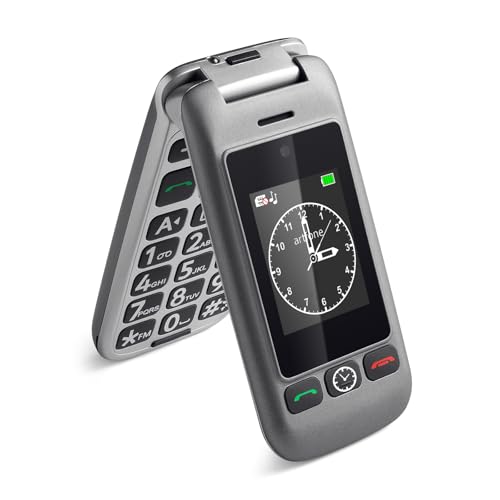
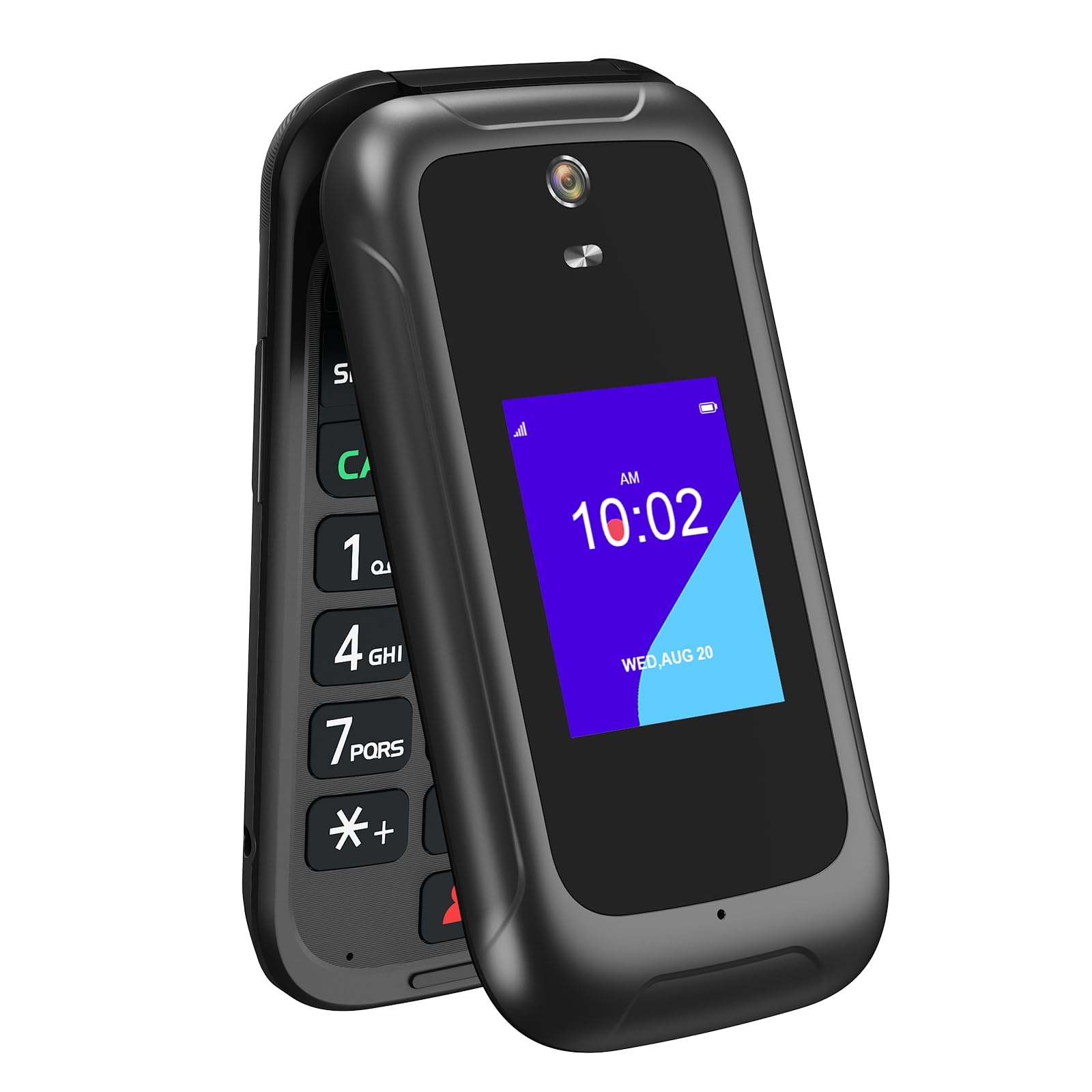
Best basic flip phone: the TCL Flip 3, around $60, is a 4G LTE flip phone with a 3.2 inch inside display, a 1.77 inch external screen for notifications, large buttons with shortcut keys and an 1850mAh battery.

Best premium foldable: the Motorola Razr Ultra, around $800, steps up to 16GB of RAM and 512GB of storage in an unlocked foldable built for U.S. carriers, with a 50MP camera.

Types of Flip Smartphones Compared
Flip phones today fall into four groups. Here is how they compare.
| Type | Best For | Pros | Cons | Typical Price |
|---|---|---|---|---|
| Premium Foldable Flip | Tech fans, style seekers | Big cover screen, flagship speed | Expensive, crease, fragility | around $800 to $1,100 |
| Mid Range Foldable Flip | Most foldable buyers | Compact, full smartphone, lower price | Smaller cover screen, slower chip | around $500 to $700 |
| Basic 4G Flip Phone | Calls, texts, digital detox | Cheap, durable, long battery | Limited apps, small screens | around $50 to $100 |
| Senior Flip Phone | Older users | Big buttons, SOS, loud audio | Very basic features | around $50 to $100 |
Premium Foldable Flip Phones
Premium foldables pair flagship processors with large cover screens that can run apps, show widgets and act as a camera viewfinder for selfies with the main cameras. They offer the most polished experience but cost as much as top regular smartphones.
The main trade offs are price, a visible crease in the main screen and the need to treat the hinge and inner screen with care.
Mid Range Foldable Flip Phones
Mid range foldables deliver the same pocketable folding design at a lower price, with capable processors, good main cameras and smaller or simpler cover displays. For most people who want a foldable for its size and style, they are the best value.
Basic 4G Flip Phones
Basic flip phones focus on calls and texts, sometimes with simple apps such as maps, email or a browser. They are inexpensive, tough and often last days on a charge. They suit people who want fewer distractions, a backup phone or a phone for kids.
Senior Flip Phones
Senior focused flip phones add big buttons, loud speakers, hearing aid modes, speed dial, charging docks and SOS buttons that can call emergency contacts. Simplicity is the point.
Foldable vs Basic Flip Phone: Which Should You Choose?
Choose a foldable flip smartphone if you want all your apps, a great camera, mobile payments and navigation in a compact design. Choose a basic flip phone if you want to cut screen time, need a durable and inexpensive phone, or are buying for someone who finds smartphones confusing. Some people carry both: a basic flip phone for weekends and a smartphone for work.
How to Choose the Right Flip Smartphone
These factors matter most.
Carrier Compatibility and Unlocked Phones
Check that the phone supports your carrier's network bands, especially for basic flip phones, which can be limited to certain carriers. Unlocked foldables made for U.S. networks usually work on major carriers, but confirm compatibility, especially for 5G and Wi Fi calling. Older 3G only phones no longer work on U.S. networks.
Software Updates and Support Window
Foldables run Android and should get several years of security updates and major version upgrades. Check the manufacturer's stated support window before buying. Basic phones get fewer updates but also face less risk because they run limited apps.
Cover Screen Size and Usefulness
On foldables, the outside screen decides how often you need to open the phone. Larger cover screens let you reply to messages, check maps and use the main cameras for selfies without unfolding.
Hinge, Durability and Water Resistance
Look for a robust hinge, a crease that is not distracting and some water resistance. Foldables are generally less dust resistant than regular phones, so a case and care help. Basic flip phones are often very tough.
Battery Life and Charging
Compact foldables have smaller batteries than slab phones, so expect about a day of use. Basic flip phones often last several days. Fast charging and wireless charging are useful extras.
Camera Quality
Foldables use their main cameras for selfies via the cover screen, which gives better self portraits than typical front cameras. Basic flip phones have simple cameras suited to quick snapshots.
Who Should Buy a Flip Phone?
Foldable flip phones suit people who want a smaller phone without giving up a big screen, fashion conscious buyers and anyone tired of large slab phones stretching pockets. Basic flip phones suit kids getting their first phone, people seeking a digital detox, outdoor workers who need durability and older adults who prefer physical buttons. They also make excellent emergency phones to keep in a car or bag.
Best Flip Smartphones for Different Users
The best flip smartphones for one person can be completely wrong for another, so here is how to match a phone to its owner.
For Kids Getting Their First Phone
A basic 4G flip phone lets children call and text family without social media, app stores or a costly screen to crack. Parents get peace of mind, and kids learn phone responsibility before moving to a smartphone. Check that the phone supports group texts and works with your family plan.
For Seniors
Senior flip phones with large keys, loud and clear audio, hearing aid compatibility, charging cradles and SOS buttons make staying in touch simple. Some services add live help lines. Choose one that works on a carrier with strong local coverage.
For a Digital Detox
If you want fewer notifications, a basic flip phone keeps calls, texts and perhaps maps without endless scrolling. Many people use one on weekends or vacations while leaving the smartphone at home.
For Style and Pocketability
Foldable flip phones are ideal if you love tech but dislike large phones. They slip into small pockets and bags, and cover screens make quick tasks easy without opening the phone.
For Photographers and Content Creators
Foldables let you set the phone half open on a table as a built in tripod, record hands free video and use the main cameras for selfies. Choose a model with a strong main camera and a large cover screen for framing.
Common Myths About Foldable Phones
Many people still think foldables break easily. Early models had problems, but current hinges are designed for many thousands of folds and inner screens are tougher. Another myth is that the crease ruins the experience; in daily use, most owners stop noticing it, especially when viewing content straight on. Finally, foldables are not only for the wealthy anymore: mid range flip models and frequent deals have brought prices close to regular midrange phones.
Setting Up a Basic Flip Phone
- Confirm the phone works with your carrier and activate the SIM.
- Import contacts from a SIM card or add favorites manually.
- Set up speed dial and emergency contacts if available.
- Adjust ringtone volume, font size and display brightness.
- Enable Wi Fi calling and hotspot features if the phone supports them.
What Your Budget Buys
Around $50 to $100 buys a 4G basic or senior flip phone with long battery life and simple features. Between about $500 and $700, mid range foldables offer the full smartphone experience in a compact design. Above about $800, premium foldables add larger cover screens, faster chips, more storage and better cameras. Watch for carrier and holiday deals, which often discount foldables significantly.
Accessories for Flip Phones
- A slim case designed for your exact foldable model to protect the hinge and edges.
- A screen protector for the cover screen; the inner screen usually ships with one installed.
- A fast charger, since many phones no longer include one in the box.
- A lanyard or strap for basic phones used outdoors.
Trade In and Resale Value
Foldables can lose value faster than mainstream phones, so trade in programs and carrier promotions are worth checking when buying. Keep the box, use a case from day one and protect the cover screen to maximize resale value. Basic flip phones cost so little that resale rarely matters, but older working phones make great backups or donations.
Care and Maintenance Tips
Do not remove the factory installed inner screen protector on foldables unless the manufacturer advises it, and avoid pressing on the crease with fingernails or sharp objects. Keep foldables away from sand and dust, close them gently and avoid putting keys or coins in the same pocket. Clean screens with a soft microfiber cloth. For basic flip phones, keep the charging port clean and check that the hinge stays firm over time.
FAQs
These are the questions buyers ask most.
How much storage do I need?
For foldables, 256GB suits most people who take lots of photos and videos. 128GB works if you rely on cloud storage. Basic flip phones need far less storage.
Do I need 5G?
5G helps in areas with strong coverage and for fast downloads, but 4G LTE is still fine for calls, texts and everyday browsing, and it is all basic flip phones need.
Are foldable phones durable?
Modern foldables are much tougher than early models, with hinges rated for many thousands of folds. They still need more care than regular phones, especially around dust and the inner screen.
How many years of updates should a phone get?
Look for at least three to four years of security updates on foldables. Some brands promise longer support on premium models.
Can basic flip phones use WhatsApp or maps?
Some 4G flip phones running KaiOS or simplified Android offer WhatsApp, Google Maps, email and a basic browser, while others offer only calls and texts. Check the app list before buying if you rely on specific apps.
Is a foldable worth it over a regular smartphone?
If pocket size and design matter to you, yes. If you want the biggest battery, the toughest build or the lowest price for the specs, a regular smartphone may be the better value.
Do flip phones have good battery life?
Basic flip phones often last several days per charge. Foldable flip smartphones usually last about a day, similar to compact regular phones.
Should I buy unlocked?
Unlocked phones give you freedom to switch carriers and usually come without carrier apps. Check network compatibility first, especially for basic flip phones.
Wrapping Up
The three things that matter most are deciding between a foldable smartphone and a basic flip phone, confirming carrier compatibility and choosing the right balance of features and price. Most foldable buyers will be happiest with a mid range model, people who want simplicity should pick a 4G basic flip phone and enthusiasts can step up to a premium foldable. Use this guide to choose the best flip smartphones for you, then check the product table above for current prices. For camera focused phones, see the best camera mobile phones.


