
Best Frequency Range for Speakers for 2026: Everything to Know Before Your First Purchase
Disclosure: We may earn a commission when you buy through links on this page, at no extra cost to you. As an Amazon Associate I earn from qualifying purchases. Learn more

New to speaker specs? Learn what Hz numbers and the plus or minus 3 dB window mean, so you can pick the best frequency range for speakers at home.
First time buyers of home theater speakers, stereo bookshelf monitors, or car audio upgrades often face a spec sheet that looks like a wall of numbers. The most prominent figure is the frequency response, usually written like "45 Hz to 20,000 Hz (plus or minus 3 dB)." What that number means for real listening is often buried under marketing, and some budget boxes print exaggerated figures that a tiny six inch speaker cannot deliver. Choosing the best frequency range for speakers starts with knowing how the human ear hears sound and how to read a frequency claim honestly.
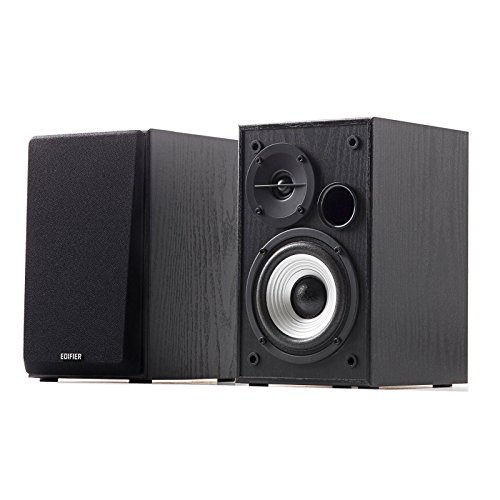
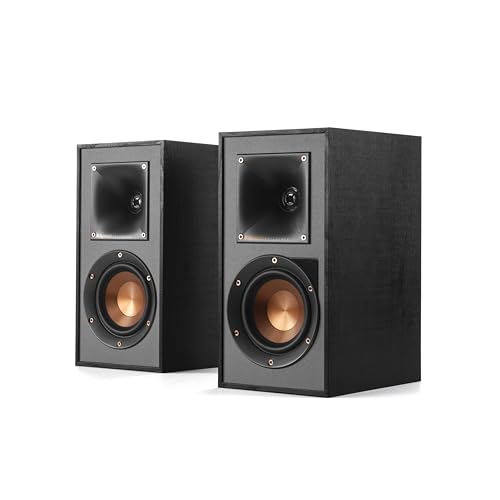
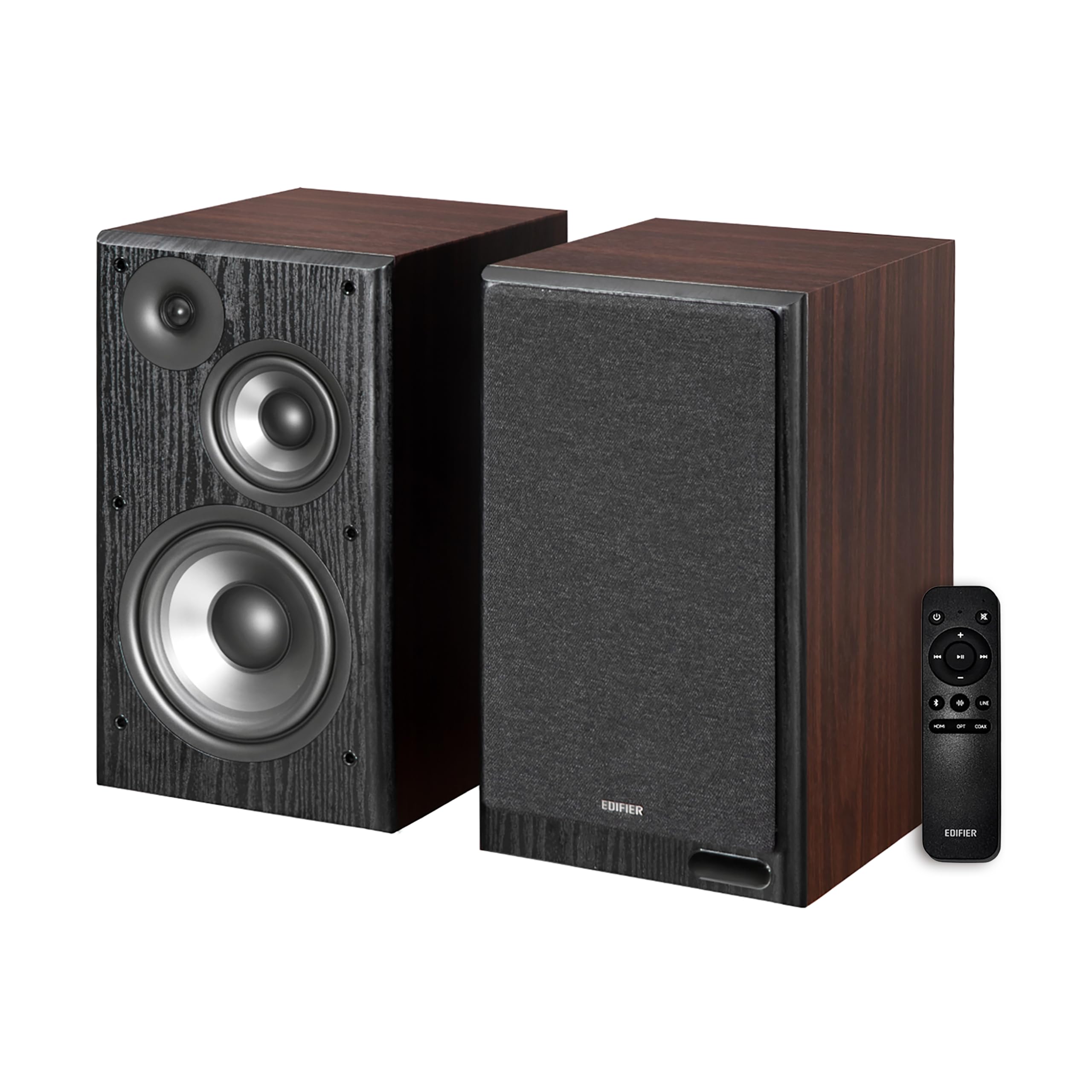
This guide explains speaker frequency response in plain English, covers the five musical frequency bands from sub bass to high treble, and points out the spec sheet tricks that mislead new shoppers. The picks in the table show options across different frequency tiers.




Frequency Ranges 101: The Basics
A frequency range tells you the lowest and highest notes a speaker can play. Sound is air vibrating at different speeds, measured in Hertz (Hz), the number of vibration cycles per second. Slow vibrations produce low bass notes, while rapid vibrations produce high pitched treble.
Human hearing is commonly given as 20 Hz (the lowest audible bass rumble) up to 20,000 Hz, or 20 kHz (the highest audible treble). A speaker specification gives you two key pieces of information:
- The lowest frequency the speaker can reproduce (bass extension): A speaker rated down to 45 Hz can play low bass notes to that point before volume rolls off.
- The highest frequency the speaker can reproduce (treble extension): A speaker rated up to 22,000 Hz can reproduce cymbal overtones and air past the limits of most adult hearing.
If you plan to pair speakers with a subwoofer later, the low number matters less, and a smooth midrange matters more.
Key Specs Explained in Plain English
To read a frequency spec sensibly, look past the outer numbers and check these core acoustic benchmarks.
The Five Essential Musical Frequency Bands
The five bands show which instruments live where, which clarifies what kind of speaker suits your music.
- Sub Bass (20 Hz to 60 Hz): Deep rumble felt in your chest, such as synthesizer bass, movie explosions, pipe organs, and kick drum weight. Clean output near 20 Hz to 35 Hz generally needs a dedicated powered subwoofer, often 10 to 15 inches.
- Mid Bass (60 Hz to 250 Hz): The punch and warmth of bass guitar, cello, lower piano notes, and male voices. Typical 6.5 inch bookshelf and floorstanding woofers cover this range well.
- Midrange (250 Hz to 4,000 Hz): The heart of most music. Lead vocals, acoustic guitars, pianos, brass, and snare drums live here, and our ears are most sensitive in this band.
- Presence and Lower Treble (4,000 Hz to 8,000 Hz): Vocal sibilance, drum stick clicks, and clarity. Too much boost here sounds harsh and tiring.
- High Treble and Brilliance (8,000 Hz to 20,000 Hz): Cymbal shimmer, room air, and harmonic decay. Dome and ribbon tweeters reproduce this range.
What Does the "plus or minus 3 dB" Tolerance Mean?
The tolerance window tells you how even the speaker's volume is across the stated range. A frequency range without a decibel tolerance is a weak claim, and it is the most common trick on cheap spec sheets. A tiny four inch speaker advertised at "25 Hz to 30,000 Hz" might play 25 Hz at minus 20 decibels, which is effectively inaudible.
A professional specification such as "48 Hz to 22,000 Hz (plus or minus 3 dB)" means output stays within three decibels of the average level across that range. Treat that window as the minimum standard when comparing speakers.
How Room Boundary Gain Changes Bass
A speaker plays lower in a real room than in a lab, because walls reinforce bass. Placed within about two feet of a solid back wall or in a corner, low frequencies bounce back and can boost output by roughly three to six decibels. A compact speaker rated to 50 Hz in a lab may therefore feel punchy somewhat lower in a furnished living room, though the effect varies with room size and furniture.
Why Subwoofer Crossover Settings Matter
In a home theater or 2.1 system, your main speakers do not need to reach 20 Hz. A receiver crossover set to 80 Hz, the common THX reference point, sends everything below 80 Hz to the subwoofer and everything above to the main speakers. This relieves the smaller drivers of heavy bass strain so they can play louder and cleaner.
How Cabinet Volume and Driver Size Limit Bass
Deep bass requires moving a lot of air, so driver size and cabinet volume set the limit. A three inch cone cannot move enough air to produce strong 40 Hz bass, whatever the digital processing claims. Real low bass generally calls for woofers of about 6.5 to 12 inches and a generous internal cabinet volume.
Rookie Mistakes to Avoid
These four traps catch many first time speaker shoppers.
- Trusting frequency numbers without a decibel window: Look for the (plus or minus 3 dB) label, because numbers without one say little about real performance.
- Expecting tiny satellite cubes to sound full: Palm sized cubes typically roll off below about 150 Hz, leaving a gap in male vocals and midbass punch even with a subwoofer.
- Chasing ultrasonic numbers above 20,000 Hz: Some tweeters claim response to 40,000 Hz, but most adults hear little above 16,000 to 18,000 Hz. Spend on smooth midrange instead.
- Ignoring placement: Rear ported speakers pushed tight against drywall can over-emphasize bass around 100 Hz, making music boomy and muddy.
Getting Started: Setup and First Use
Four simple steps help you get balanced sound from new speakers.
- Position tweeters at seated ear level: High frequencies radiate in narrow beams, so use stands that point the tweeters at your ears.
- Form an equilateral listening triangle: Space the left and right speakers as far apart as each is from your main seat.
- Set the subwoofer crossover to 80 Hz: Use your AV receiver or the sub out setting for a smooth handoff.
- Allow some break in time: Stiff woofer surrounds often loosen over the first several dozen hours of playback, which can slightly deepen bass.
Frequently Asked Questions
What is the best frequency range for home stereo speakers?
For standalone stereo speakers without a subwoofer, about 45 Hz to 20,000 Hz (plus or minus 3 dB) is a strong target. It delivers rich low bass for rock and jazz alongside clear treble. With a powered subwoofer, bookshelf speakers rated down to 60 Hz or 70 Hz are usually sufficient.
Can humans really hear 20 Hz bass?
Frequencies between 20 Hz and 30 Hz are felt more as air pressure and chest vibration than heard as distinct tones. This range adds realism to action movie explosions and pipe organ music.
Does a wider frequency range mean a speaker sounds better?
Not necessarily. A speaker with a flat, neutral response from 50 Hz to 18,000 Hz will usually sound more natural than a cheap one claiming 30 Hz to 25,000 Hz with jagged peaks and midrange dips.
Why do small speakers lack deep bass?
Small speakers lack deep bass because low notes need large volumes of air to be moved. Small cones have limited surface area, and small cabinets restrict low bass reproduction.
Final Thoughts
Understanding frequency response helps you cut through marketing and choose speakers that suit your room. Favor a flat response within a stated (plus or minus 3 dB) window, match woofer size to your bass expectations, and set a subwoofer crossover at 80 Hz if you use one. Doing so gets you the best frequency range for speakers for your music, podcasts, and movies. Compare the picks in the table above to find the right fit for your space.


