
Best Full Range 6x9 Speakers by Budget: Smart Picks for 2026
Disclosure: We may earn a commission when you buy through links on this page, at no extra cost to you. As an Amazon Associate I earn from qualifying purchases. Learn more

Car owners upgrading factory audio can compare the best full range 6x9 speakers at budget, midrange and premium prices, with bass, power and clarity explained.
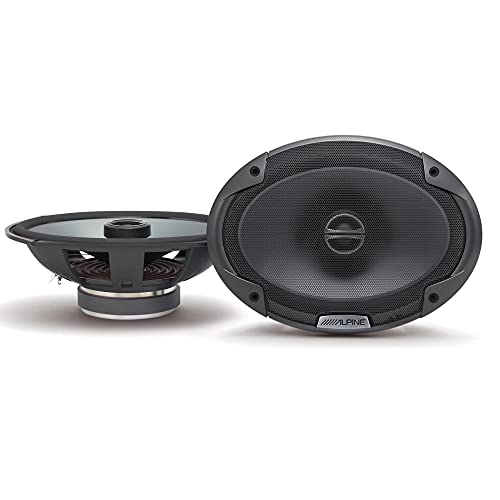
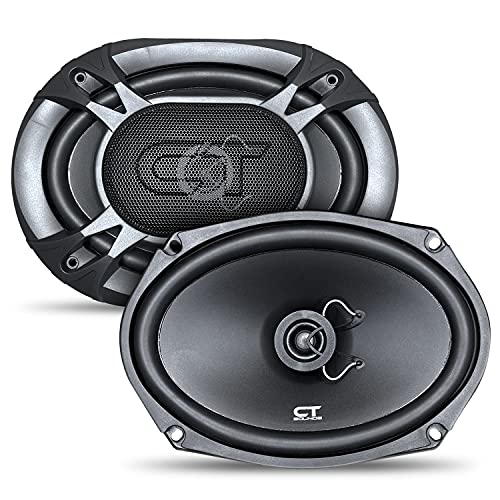
If you want better sound than your factory system without building a custom subwoofer box, a 6x9 oval coaxial speaker is one of the easiest upgrades. The oval cone has noticeably more radiating area than a standard 6.5 inch round speaker, so it moves more air and plays fuller midbass. Installed in a rear parcel shelf or a truck door, a good pair can reach down to roughly 40 Hz while handling vocals and highs through a bridge mounted tweeter. Choosing the best full range 6x9 speakers comes down to knowing where extra spending actually improves the sound.
A bargain pair paired with a basic factory head unit may sound lively but distort on bass heavy tracks. A more expensive set with better cones and tweeters usually needs an external amplifier to show its strengths. This guide explains what each price tier buys, how 2 way and 3 way designs differ, and which features are worth paying for. The picks in the table show current options to match against these tiers.





What Your Money Gets You at Each Price Tier
Full range 6x9 speakers fall into three rough brackets, based mainly on cone material, power handling and crossover quality. Prices below are approximate, per pair, and change often.
Budget Tier: What to Expect (Around $40 to $80 per Pair)
Budget 6x9s deliver a clear step up from worn factory speakers while running happily on low power. They typically use polypropylene woofer cones with cloth or thin foam surrounds, plus small dome tweeters in a 2 way or 3 way layout. Sensitivity is often around 90 dB or higher, with modest power handling in the 40W to 60W RMS range.
Because they are efficient, they play loudly from a factory head unit that puts out only about 12W to 20W RMS per channel, so no amplifier is required. The trade-offs are lighter stamped steel baskets that can flex under heavy bass and simple capacitor crossovers that roll off highs gradually. For commuters who want better daily sound on a small budget, this tier is hard to beat on value.
Midrange Tier: The Sweet Spot for Most Drivers (Around $90 to $170 per Pair)
The midrange tier is the best balance of price and sound for most drivers. Cones move up to carbon fiber, mica reinforced polypropylene or woven glass fiber, usually held by durable butyl rubber surrounds that tolerate long excursion.
Power handling commonly rises to around 80W to 125W RMS per pair, so the speakers stay composed at higher volume. Tweeters are often silk or textile domes, which sound smoother than the harsher plastic units in cheaper sets. Many models add an outboard crossover with a tweeter level switch and a sturdier cast or reinforced basket that resists resonance.
Premium Tier: When Spending More Pays Off (Around $180 to $350+ per Pair)
Premium 6x9s are built for listeners who want accuracy and control as well as volume. Expect layered composite cones, larger high temperature voice coils and stronger ferrite or neodymium motors.
The extra money pays off mainly when you run a dedicated amplifier delivering roughly 100W to 150W RMS per channel. With that power, these speakers give tight, controlled midbass, clean vocals and a more precise soundstage. Without an amplifier, you pay for performance the factory radio cannot unlock.
Features Worth Paying For (and Ones to Skip)
Focusing on a few specifications helps your 6x9 upgrade sound its best in your vehicle.
2 Way Coaxial vs 3 Way and 4 Way Designs
A well built 2 way coaxial is usually the better choice than a cheap multi way speaker. It pairs one large woofer with a single quality tweeter, which keeps highs smooth and coherent.
Be skeptical of budget "4 way" or "5 way" labels. Several tiny plastic tweeters across the center bridge can cause phase interference and block part of the woofer cone without adding real musical detail.
Butyl Rubber Surrounds vs Foam or Paper
Butyl rubber surrounds are the safer choice for a car. Door panels see freezing mornings and very hot summer days, and butyl resists drying, cracking and sun exposure far better than treated paper or thin foam, which can fail within a few years.
Silk Dome Tweeters vs Hard Plastic
Silk or textile dome tweeters give warmer, smoother highs that are easier to listen to on long drives. Hard plastic or Mylar tweeters can sound sharp and metallic at highway speeds, especially over road noise.
Rear Deck Acoustic Loading and Trunk Enclosures
Rear deck mounting lets the trunk act as a large enclosure for 6x9 speakers. That air volume helps the oval cones reproduce deeper bass without a separate subwoofer box, which also saves cargo space.
Voice Coil Ventilation and Power Stamina
Vented pole pieces and basket cooling slots help move air across the voice coil. Less heat buildup means more consistent output during long, loud listening sessions.
Mounting Depth and Basket Clearance
Measure your door or rear deck cavity before ordering. Speakers with large magnets can need around 3.0 to 3.5 inches of mounting depth, so check that the magnet clears the window glass mechanism, or plan for spacer rings. Also compare the screw pattern with your vehicle, since some cars need an adapter bracket.
Long Term Costs to Factor In
A few extras decide how good your new speakers end up sounding.
- Sound deadening sheets: Around $30 of butyl sheets on the door metal reduces rattles and tightens midbass by stiffening the door.
- Wire harness adapters: A plug and play harness, often around $10, connects new speakers to factory wiring without cutting cables.
- External amplifier: If you buy 100W RMS midrange or premium speakers, adding a two or four channel amplifier later gives them the power they are rated for.
- Mounting hardware: Spacer rings or adapter plates cost little but save frustration when depth or hole patterns do not match.
Frequently Asked Questions
Do 6x9 speakers produce more bass than 6.5 inch round speakers?
Yes, usually. A 6x9 oval has roughly 50 percent more cone area than a 6.5 inch round speaker, so it moves more air and tends to give deeper, punchier bass. Actual results still depend on the speaker design and the mounting location.
Can you run 6x9 speakers directly off a factory radio without an amplifier?
Yes, if you choose high sensitivity models, generally 91 dB or higher with modest 40W to 60W RMS power handling. They play loud and clear from factory head unit power. Speakers with higher power ratings benefit from an amplifier.
What is the difference between 2 way and 3 way 6x9 speakers?
A 2 way 6x9 has one woofer and one tweeter, while a 3 way adds a small midrange driver. Quality 2 way designs with silk tweeters often sound smoother than budget 3 way designs. More drivers do not guarantee better sound.
How long do quality 6x9 car speakers usually last?
With butyl rubber surrounds and polypropylene or composite cones, they commonly last ten years or more of daily driving. Heat, moisture and sustained overpowering shorten that life. Cheap foam surrounds are the most frequent point of failure.
Final Thoughts
Full range 6x9 speakers are a cost effective, space saving way to add fuller bass and clearer vocals to your car. Commuters get a solid boost from high sensitivity 2 way coaxials under about $80, most enthusiasts land on silk dome models around $120, and audiophiles with an amplifier get the most from premium composite designs. Compare the picks in the table above to find the best full range 6x9 speakers for your vehicle and budget.


