
Best Gaming Laptops in 2026: Refresh Rate, GPU, and Cooling That Actually Matter
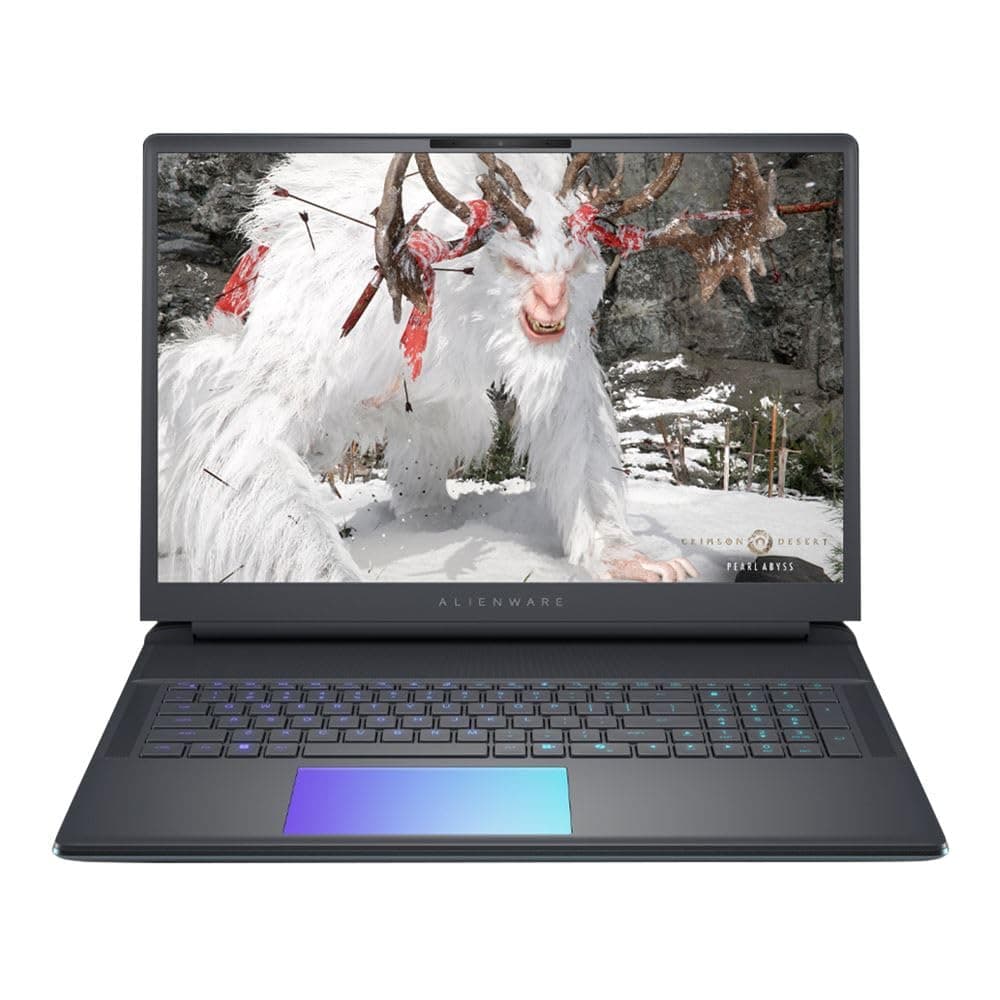
Spec sheets don't show real performance. See what refresh rate, GPU, and cooling actually decide when choosing the best gaming laptops for real play sessions.
Shopping for the best gaming laptops means wading through spec sheets stuffed with numbers that don't tell you how a machine actually feels three hours into a session. Refresh rate claims mean little if the panel can't hit them in real games, and a powerful GPU means little if the chassis can't keep it cool enough to sustain that power. This guide focuses on the handful of specs that genuinely separate a laptop that plays well from one that just looks good on paper.

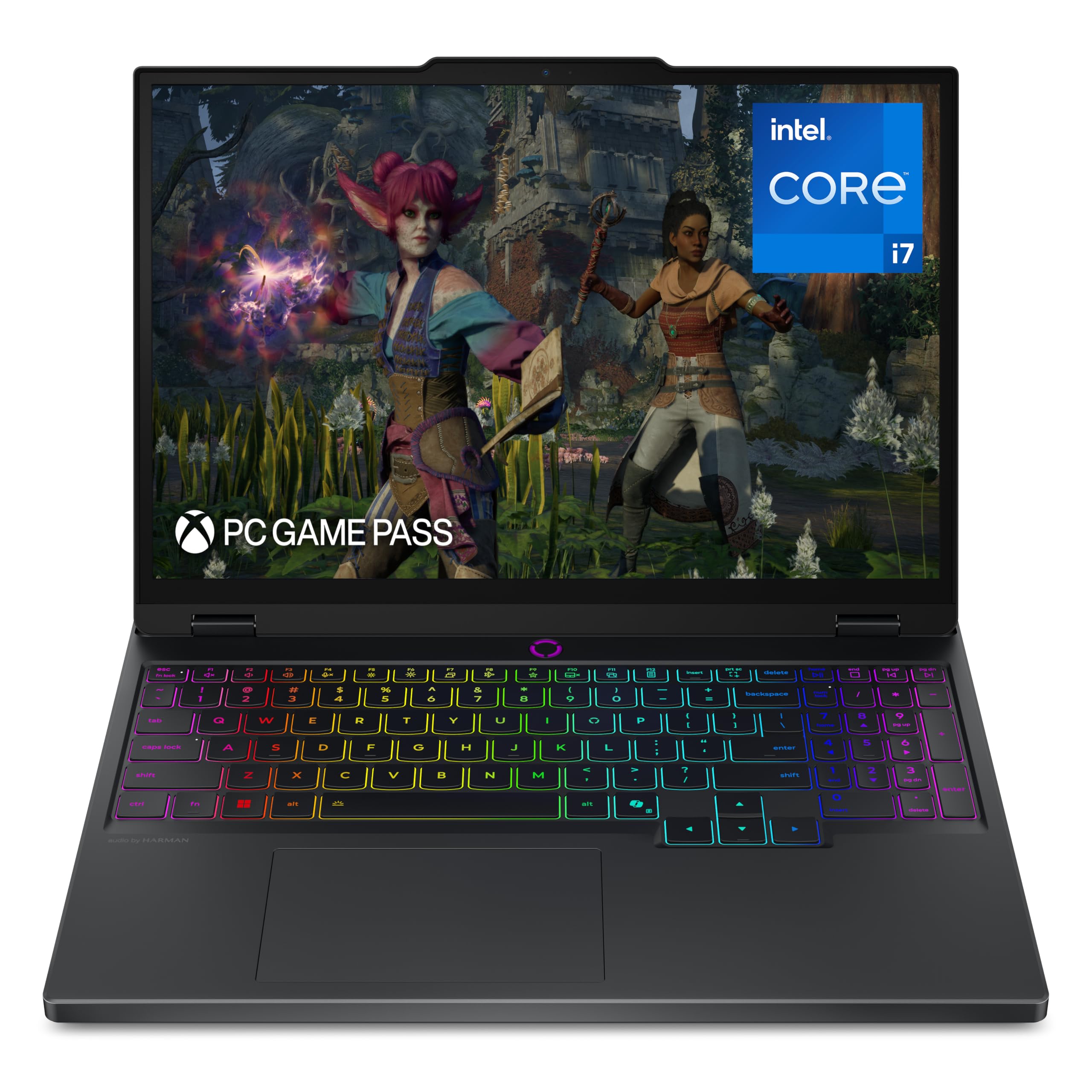

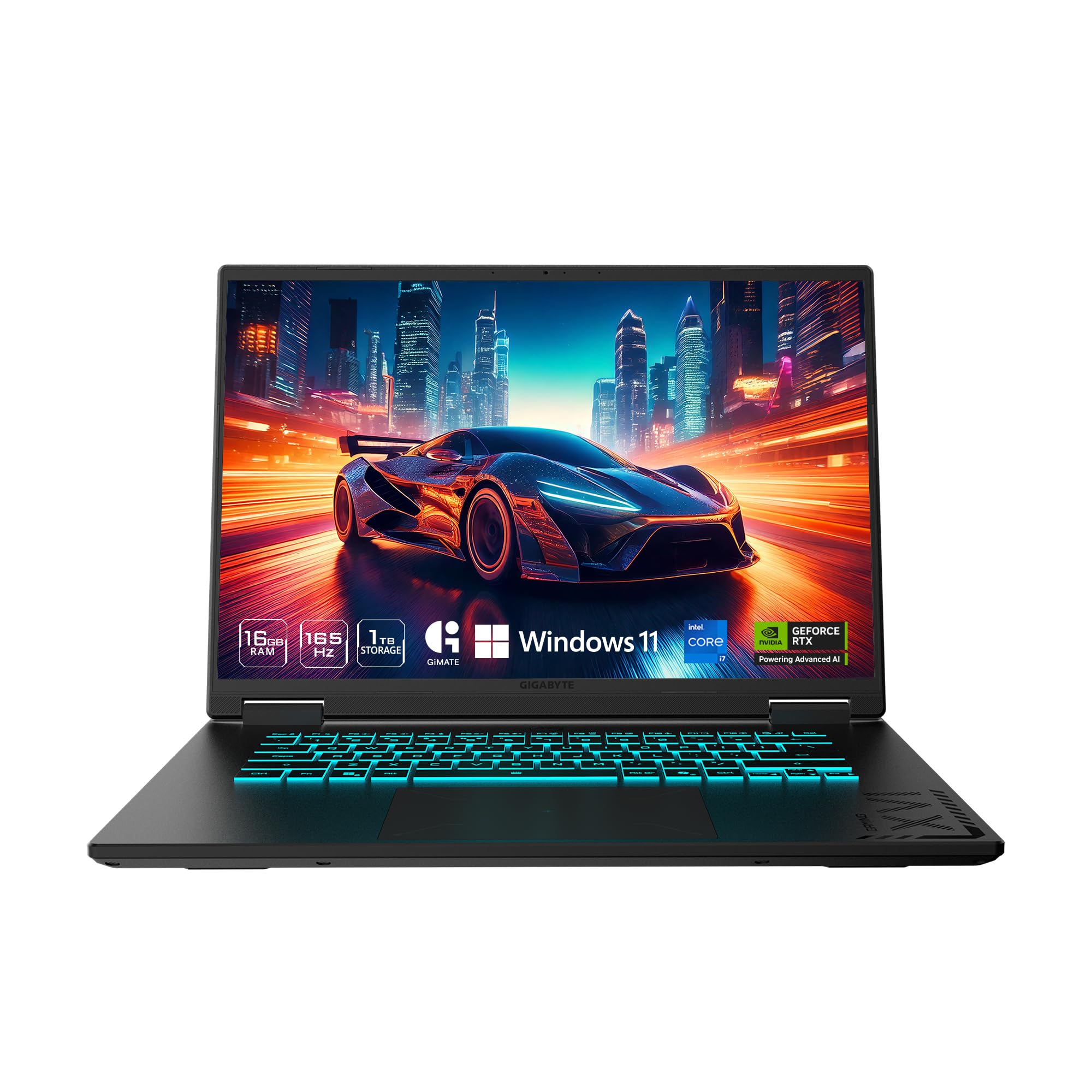
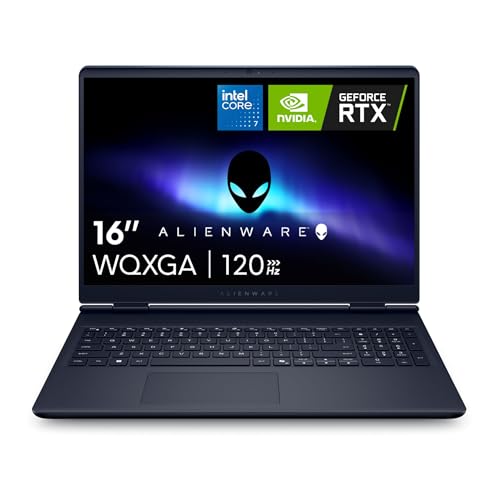
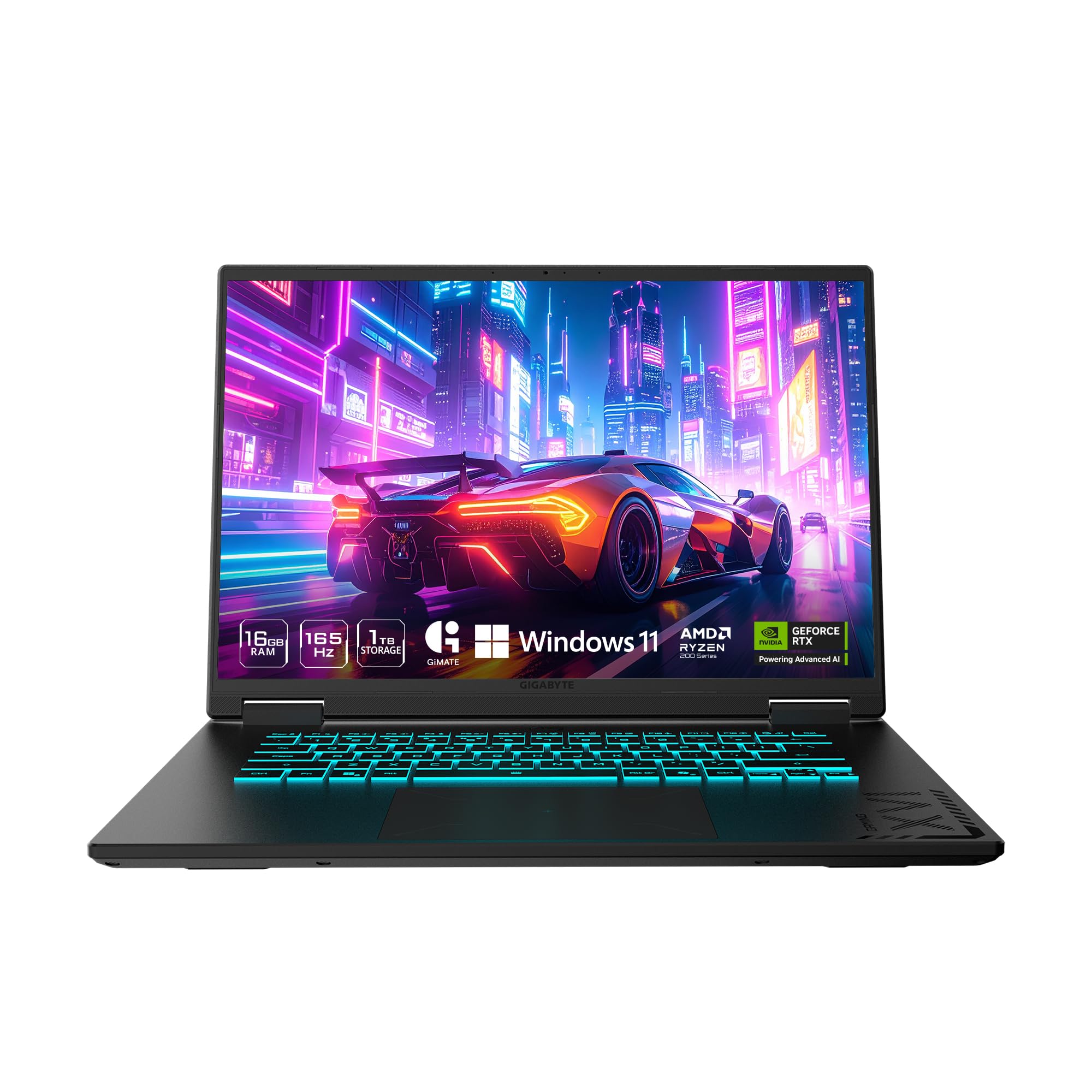
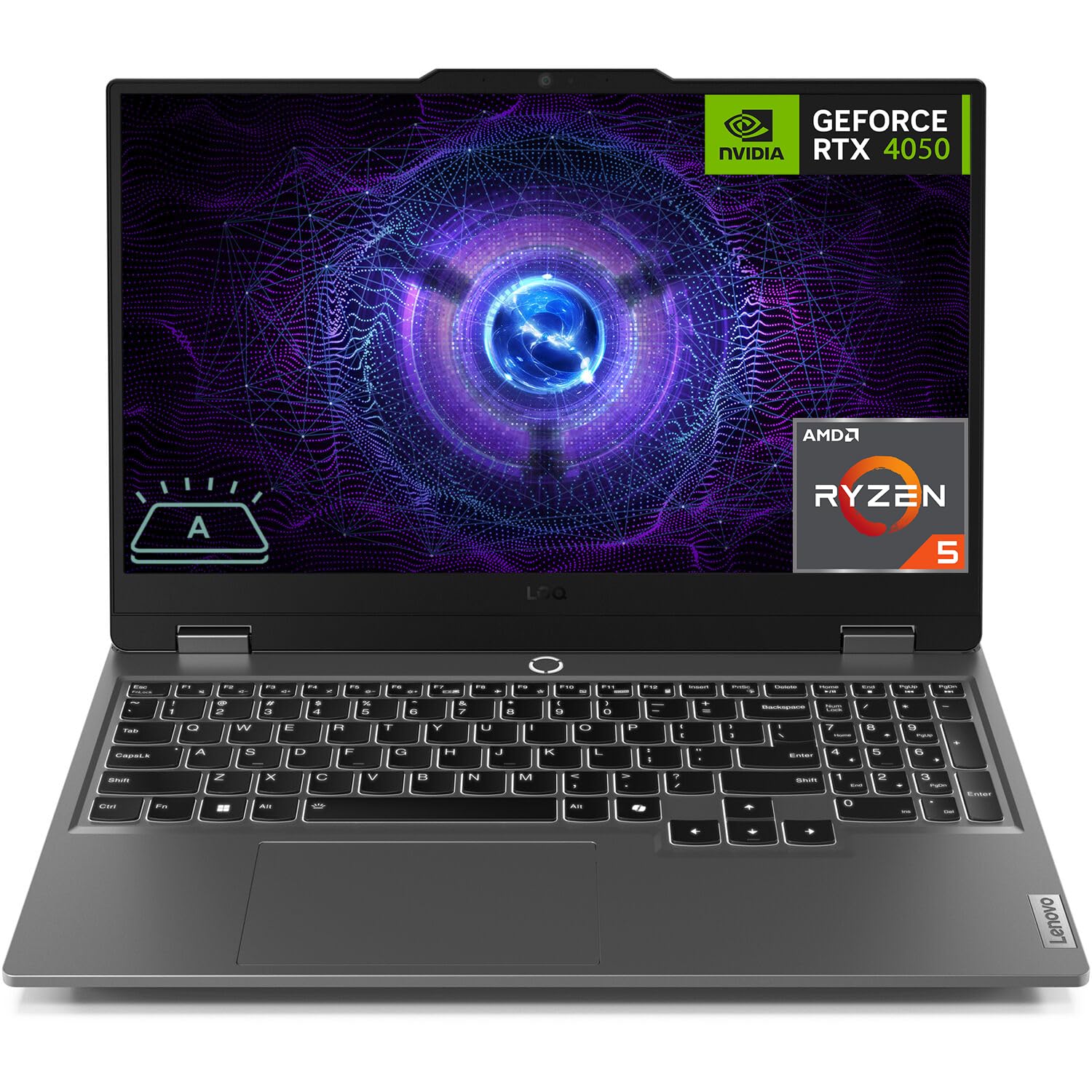

Refresh Rate and Panel Type: What Actually Improves Gameplay
A 144Hz panel is the practical sweet spot for most players, delivering a noticeably smoother feel over 60Hz without demanding a GPU powerful enough to consistently hit 240 frames per second. Higher refresh panels at 240Hz or beyond mostly benefit competitive shooters where reaction time matters, and only pay off if your GPU can actually push frame rates that high in the games you play.
Panel type matters almost as much as the number: IPS panels offer better color accuracy and wider viewing angles, while some TN and newer Mini-LED panels trade a bit of color depth for faster response times. For most buyers, a high-refresh IPS panel is the safer, more versatile pick over a niche TN display.
GPU and VRAM: Matching Power to the Games You Play
The graphics chip is still the single biggest factor in how a laptop performs, but buying more GPU than your monitor or the games you actually play can use is wasted money. A mid-range discrete GPU comfortably handles 1080p at high settings, while 1440p gaming and demanding AAA titles benefit from a higher VRAM allocation, generally 8GB or more, to avoid texture streaming stutters in newer releases.
Laptop GPUs also run at lower power limits than their desktop counterparts sharing the same name, so two laptops with the "same" GPU model can perform meaningfully differently depending on how much wattage the chassis allows that chip to draw.
Cooling and Sustained Performance Under Load
Benchmark numbers are typically captured in the first few minutes of a test, before heat has fully built up inside the chassis. What matters more for real sessions is sustained performance: whether the laptop can maintain close to its peak clock speeds after twenty or thirty minutes of continuous load, or whether it throttles hard once internal temperatures climb. Thicker chassis designs with more fans and larger vents generally sustain performance better than slim, thin-and-light gaming laptops, which often have to throttle to stay within thermal limits.
Checking independent sustained-load reviews rather than relying on marketing benchmarks is the most reliable way to know how a specific model actually performs after the honeymoon period ends.
Battery Life vs Gaming Performance Tradeoffs
Unplugged gaming battery life on any high-performance laptop is genuinely short, often well under two hours, because the GPU throttles heavily to conserve power the moment it isn't plugged in. If battery life matters to you outside of gaming, like general productivity or travel, look specifically at reviews of unplugged, non-gaming battery life rather than assuming a large battery capacity solves the problem during actual play sessions.
Some gaming laptops now include a hybrid graphics mode that switches to integrated graphics for everyday tasks, meaningfully extending battery life when you're not gaming, which is worth checking for if the laptop needs to double as a daily driver.
Keyboard, Ports, and Build Details That Matter Day to Day
Key travel and actuation force affect comfort far more during long sessions than most buyers expect before trying a keyboard hands-on. Per-key RGB is a nice extra but shouldn't outweigh actual typing feel when comparing models. On the ports side, confirm the laptop has enough USB-A and USB-C connections for your peripherals plus an Ethernet jack if you play competitively, since wired connections still beat Wi-Fi for consistency in fast-paced games.
Display Resolution and How It Interacts With GPU Power
A 1440p panel is currently the sweet spot for most gaming laptops, offering a noticeably sharper image than 1080p without demanding the GPU horsepower that a true 4K panel requires to hit high frame rates. Pairing a 4K display with a mid-range GPU often means either dropping settings significantly or relying heavily on upscaling technology to maintain smooth frame rates, which somewhat defeats the purpose of the higher resolution panel in the first place.
If you plan to connect the laptop to an external monitor for serious sessions, prioritize the internal GPU and cooling over chasing the highest possible native display resolution, since the built-in panel becomes secondary once you're gaming on a larger external screen.
Frequently Asked Questions
Is 144Hz enough for competitive gaming?
Yes, for the vast majority of players 144Hz delivers a clearly smoother experience than 60Hz, and going higher mostly helps only if you're already performing at a very high competitive level and can perceive the difference.
How much VRAM do I actually need for gaming in 2026?
8GB is a reasonable baseline for 1080p and most 1440p gaming today, while 12GB or more gives more headroom for newer, more demanding titles at higher settings.
Why does my gaming laptop throttle even though it's not that hot to the touch?
Internal component temperatures can exceed safe limits well before the chassis surface feels hot, since the metal casing dissipates heat outward gradually while the chip inside is already at its thermal ceiling.
Should I buy a gaming laptop or build a desktop instead?
A desktop generally delivers more performance per dollar and is easier to cool and upgrade, so a gaming laptop makes the most sense specifically when portability is a real requirement, not just a nice-to-have.
Does more RAM improve gaming performance?
Beyond 16GB, additional RAM mostly helps with background tasks and multitasking rather than raw frame rates, though some newer titles do benefit from 32GB when running alongside streaming or recording software.
How long do gaming laptops typically last before needing an upgrade?
Most remain capable of handling new titles at reasonable settings for three to four years, though very demanding new releases may require dropping settings sooner on lower-tier GPU configurations.
Final Verdict
The best gaming laptops balance a genuinely high refresh rate panel with a GPU and cooling system that can actually sustain performance once the session runs long, rather than just posting strong numbers in the first five minutes. Match VRAM and GPU tier to the resolution you actually play at, and treat battery life and portability as a separate decision from raw gaming power.
Related reading: best ai laptop and best ai laptop for business.


