
Best Hidden Cameras: What Actually Matters Before You Buy
Disclosure: We may earn a commission when you buy through links on this page, at no extra cost to you. As an Amazon Associate I earn from qualifying purchases. Learn more

How we judge discreet home security and nanny cameras, with three picks, a buyer checklist, red flags and legal basics.
Discreet cameras help homeowners keep an eye on pets, check on a babysitter, watch a front room while traveling or record a package thief without advertising where the camera sits. But the category is crowded with unknown brands, vague specs and apps of questionable quality, and using a hidden camera also comes with legal responsibilities. This guide to the best hidden cameras for home security lays out the checklist we use to judge them, highlights three picks and explains the rules you need to follow.
The short answer: most people should choose a small, low profile home security camera from an established brand with at least 1080p or 2K video, night vision, motion alerts, local microSD storage and a secure app, which costs around $30 to $90; disguised cameras built into outlets or clocks are fine for your own home when used legally, but they must never be placed where people expect privacy, such as bathrooms or guest bedrooms.

How We Evaluate Hidden Cameras
We score discreet and disguised cameras on six criteria. Each has a clear threshold for good and poor performance.
Video Resolution and Image Quality
Video quality determines whether you can identify faces, read package labels or see what a pet is doing. Look for at least 1080p resolution, with 2K or 2.5K offering noticeably sharper detail. A wide field of view of 120 to 150 degrees covers most of a room from a corner. Good: 2K or higher with a wide lens and clear daytime color. Poor: low resolution footage that blurs faces, or narrow lenses that miss most of the room.
Durability and Weather Resistance
Most hidden and disguised cameras are designed for indoor use only. If you need outdoor coverage, choose a camera with an IP65 or higher rating for dust and water resistance and an operating temperature range suited to your climate. Good: clear indoor or IP65 outdoor ratings with stable mounting. Poor: no rating information or indoor devices placed outside.
Night Vision and Low Light Performance
Much home monitoring happens at night or in dim rooms. Infrared night vision provides black and white footage in darkness, while starlight sensors and small spotlights produce color at night. Invisible infrared is preferable for discreet cameras, since visible red glows give away the location. Good: clear night footage at 15 to 30 feet. Poor: grainy, unusable footage after dark.
Storage, Alerts, and Smart Features
Local microSD storage lets you record continuously or on motion without monthly fees, while optional cloud plans add off site backup. Smart motion alerts that distinguish people, pets and vehicles reduce notification overload. Loop recording overwrites old footage automatically. Good: microSD support up to 256GB or more, adjustable motion sensitivity and smart alerts. Poor: cloud only storage with mandatory subscriptions or constant false alerts.
Size, Placement, and Power
Discreet cameras should blend into a room. Mini cameras the size of a few stacked coins fit on bookshelves, while disguised cameras hide in outlets, chargers and clocks. Plug in models run continuously, while battery cameras need regular charging. Good: compact or disguised designs with continuous power. Poor: bulky devices that draw attention or batteries that die within days.
App Quality, Security, and Ease of Use
The companion app controls live view, playback and alerts, so it should be reliable and secure. Look for encrypted video, two factor authentication and regular firmware updates. Established brands like Wyze and Blink offer polished apps, while some unbranded cameras use generic apps with weaker security. Good: encrypted streams, two factor login, regular updates. Poor: unknown apps requesting excessive permissions or no update history.
3 Picks That Pass Our Checklist
These three cameras come from the product table above and meet every criterion on our checklist for lawful home monitoring.


Best Overall
The WYZE Cam v4, around $45, is our pick for homeowners who want a small, versatile camera that works indoors or outdoors without a subscription. Its first strength is 2.5K resolution with a 120 degree field of view and color night vision using a starlight sensor and small spotlight, delivering clear footage day and night. Its second strength is flexibility: an IP65 rating for outdoor placement, on device AI that separates people, packages, pets and vehicles and microSD recording up to 512GB with no monthly fees.
The limitation is that it is compact rather than disguised, so it is discreet on a shelf but still recognizable as a camera.
Best Value
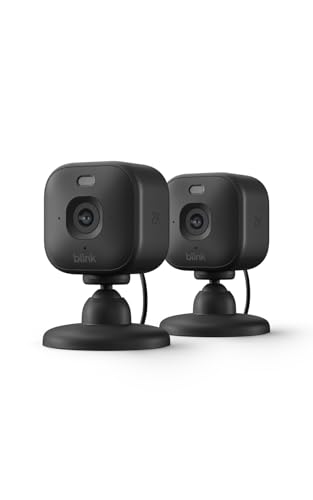
The Blink Mini 2K+, around $31, suits renters, pet owners and first time buyers who want a tiny indoor camera from a well known brand. Its first strength is its very small plug in design, which sits unobtrusively on shelves and counters. Its second strength is 2K video with motion alerts and easy setup through the Blink app, plus integration with Alexa devices for quick live views.
The limitation is that advanced features like cloud recording history require a Blink subscription or a separate local storage module.
Best Compact Pick
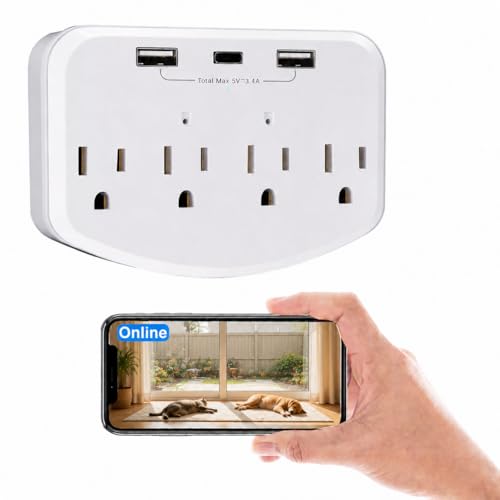
The MINICATCHER Wall Outlet Camera, around $76, is for homeowners who want a fully disguised camera that blends into a room. Its first strength is a functional outlet design with AC sockets and USB charging ports, so it looks and works like an ordinary power strip. Its second strength is 1080p video with a 145 degree wide angle lens, motion alerts, loop recording to microSD and remote viewing in the app.
The limitation is that it records video only without audio, in line with Amazon policy for disguised cameras, and it is designed for indoor use.
Quick Buyer Checklist
- Will you use the camera only in spaces you own or control, and never where people expect privacy?
- Does it record at least 1080p, ideally 2K?
- Does it have night vision without a visible glow?
- Does it support local microSD storage?
- Are motion alerts adjustable to reduce false notifications?
- Does the app offer encryption and two factor authentication?
- Is it rated for outdoor use if you plan to place it outside?
- Does it come from a brand with clear support and firmware updates?
Red Flags to Watch For
- Vague specifications. Claims like 4K or night vision without sensor or range details often signal poor quality.
- Unknown apps. Generic apps with poor reviews or excessive permissions can put your footage at risk.
- Suspicious reviews. Many short, similar five star comments posted together suggest manipulation.
- No warranty or support. Reputable brands clearly state warranty terms and support contacts.
- Marketing that encourages misuse. Avoid sellers promoting secret recording of others in private spaces.
Picking the Right Hidden Cameras for Different Uses
Best Hidden Cameras for Outdoors: What to Check
The best hidden cameras for outdoors need three things: an IP65 or higher weather rating, reliable night vision and a stable WiFi connection at the mounting location. Compact cameras like the Wyze Cam v4 can sit discreetly under eaves or behind planters. Avoid aiming outdoor cameras into neighbors' windows or yards.
Best for Pets and Kids
For checking on pets and children, choose a camera with two way audio, smart alerts and a pan tilt option to follow movement around a room, such as the Blink Mini Pan Tilt.
Best for Travelers
Travelers who want to watch their own home while away should choose cameras with cloud backup, reliable alerts and battery or plug in power.
Legal and Ethical Rules for Hidden Cameras
Laws vary by state and country, but a few principles apply almost everywhere. You may generally record video in common areas of your own home, such as the living room or kitchen. Never place cameras in bathrooms, bedrooms used by guests, nannies or tenants, or any space where people reasonably expect privacy. Doing so can be a serious crime.
Audio recording is more tightly regulated than video. Many states require consent from everyone being recorded, which is why disguised cameras sold on Amazon record video only. If you employ a nanny or caregiver, check your local laws and consider telling them that cameras are in use, which many families find builds trust. Renters should check lease terms, and anyone recording outside should avoid capturing neighbors' private areas. When in doubt, consult local regulations before installing.
Discreet Cameras vs Disguised Cameras
Discreet cameras are small, low profile security cameras that do not hide their purpose but are easy to overlook on a shelf or bookcase. They come from established brands, offer polished apps, smart alerts, two way audio and integration with smart home systems. Most homeowners are best served by this type, since it delivers reliable monitoring without secrecy.
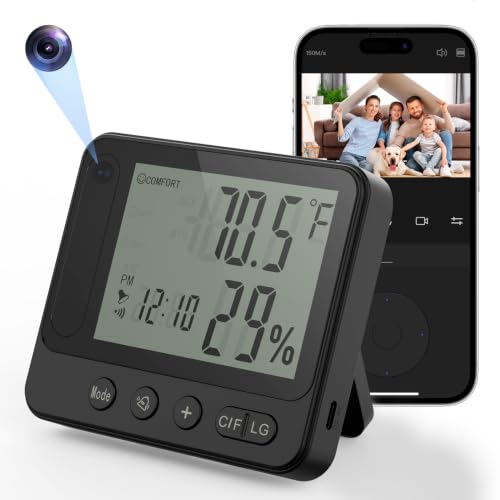
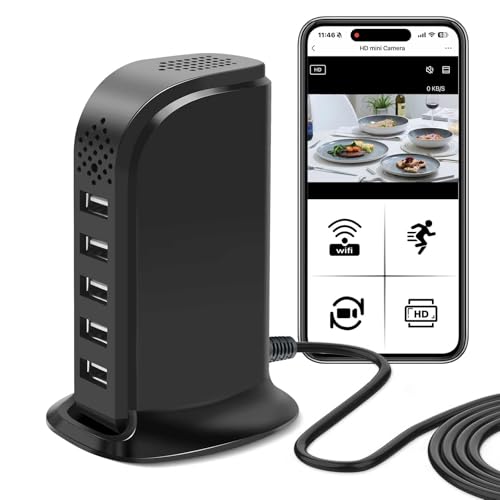
Disguised cameras hide inside everyday objects such as power outlets, USB chargers, clocks and picture frames. They suit situations where a visible camera might be moved or tampered with, such as monitoring a front room during a renovation or protecting valuables while traveling. They usually record video only, come from smaller brands and rely on generic apps, so check security features carefully.
Whichever type you choose, think about why you need the camera and whether a visible camera might work better. Visible cameras deter intruders and avoid privacy concerns, while discreet and disguised cameras are better for documenting incidents without drawing attention.
Protecting Your Footage and Privacy
Security cameras capture sensitive moments inside your home, so protect the footage. Change default passwords, enable two factor authentication and keep firmware updated. Place your WiFi router on a secure network with a strong password and consider a separate guest network for smart devices.
Review who has access to shared accounts, and turn off cameras or enable privacy modes when family members are home if continuous recording is not needed. Delete old footage you no longer need, and store important clips securely if you plan to share them with police or insurers.
Setup and Care Tips
Place cameras high in corners for the widest view, and avoid pointing them directly at windows, which causes glare. Use a lens cloth, not your shirt, to keep the lens clear. For battery cameras, carry a spare battery or charge on a schedule. Store unused cameras in a dry, padded bag. Update firmware regularly, change default passwords and enable two factor authentication in the app.
Hidden Cameras: Your Questions Answered
Are hidden cameras legal?
Hidden video cameras are generally legal in common areas of your own home, but rules vary by location. They are illegal in places where people expect privacy, like bathrooms and guest bedrooms. Audio recording often requires consent from everyone recorded. Always check local laws before installing a hidden camera.
Which is better for low light?
Cameras with starlight sensors or strong infrared night vision perform best in low light. Starlight sensors can produce color footage in dim conditions, while infrared provides clear black and white footage in darkness. Invisible infrared keeps discreet cameras from revealing their location with a glow.
Do hidden cameras need WiFi?
Most hidden cameras need WiFi for live viewing and alerts, but many can record locally without it. Cameras with microSD storage keep recording during internet outages. For remote viewing and notifications, a stable 2.4GHz or 5GHz WiFi connection is required.
Do hidden cameras require a subscription?
Many hidden cameras work without a subscription using local microSD storage. Cloud plans add off site backup, longer history and advanced alerts. Check whether essential features like motion recording require a paid plan before buying.
How can I tell if a hidden camera is high quality?
Look for clear specifications, an established brand, a secure app and consistent recent reviews. Quality cameras list resolution, field of view, night vision range and storage options, and they receive regular firmware updates. Avoid listings with vague claims and generic apps.
Where should I place a home security camera?
Place cameras high in corners of common areas, covering entry points like front doors, hallways and main living spaces. Avoid pointing them at windows to reduce glare, and keep them out of bathrooms and bedrooms used by others. Outdoor cameras work best covering doors, driveways and package drop spots.
Can I watch my camera from my phone?
Yes, most WiFi cameras stream live video and send alerts to a smartphone app. Remote viewing needs a stable internet connection at home. Many apps also let you share access with family members.
Wrapping Up
A discreet camera can add peace of mind when used responsibly. Prioritize clear video, reliable night vision, local storage and a secure app, then place cameras only in spaces where recording is legal and appropriate. Most people will be best served by compact cameras from established brands, with disguised models reserved for specific needs in common areas of their own homes.
Compare the best hidden cameras in the product table above to find the right camera for your home and budget.


