
The Best Mid Range Surround Sound Speakers for 2026: Home Theater Guide
Disclosure: We may earn a commission when you buy through links on this page, at no extra cost to you. As an Amazon Associate I earn from qualifying purchases. Learn more

Want movie sound without a custom install budget? Compare the best mid range surround sound speakers: 5.1 and Atmos layouts, center channels and subwoofers.
Flat screen TVs look great, but their thin cabinets leave room only for small speakers that fire backward and muddy dialogue. If you want voices clear on screen, effects moving behind your shoulder and bass you can feel, a real speaker package is the fix. The best mid range surround sound speakers give you that cinema feel at a fraction of the cost of a custom installation.
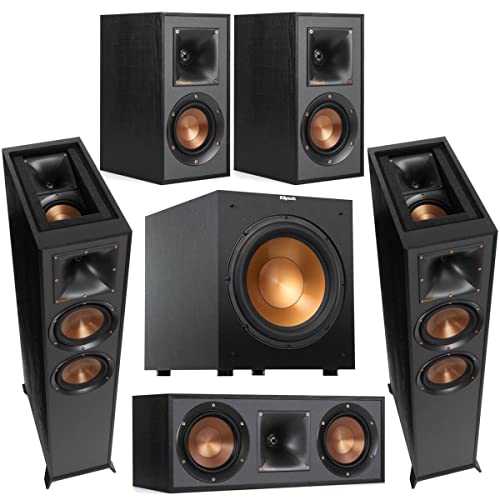
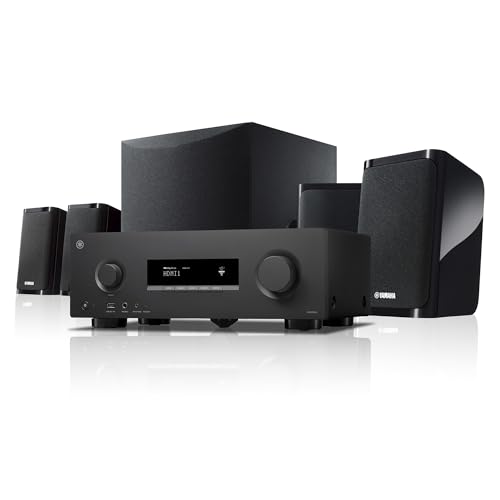
In this price tier you can find 5.1 packages with tonally matched drivers, as well as 5.1.2 Dolby Atmos systems that add height channels using upward firing modules or ceiling speakers. Below you will find how the layouts differ, why the center channel matters, what to look for in a subwoofer, and how to place everything. The picks in the table show current options to compare.



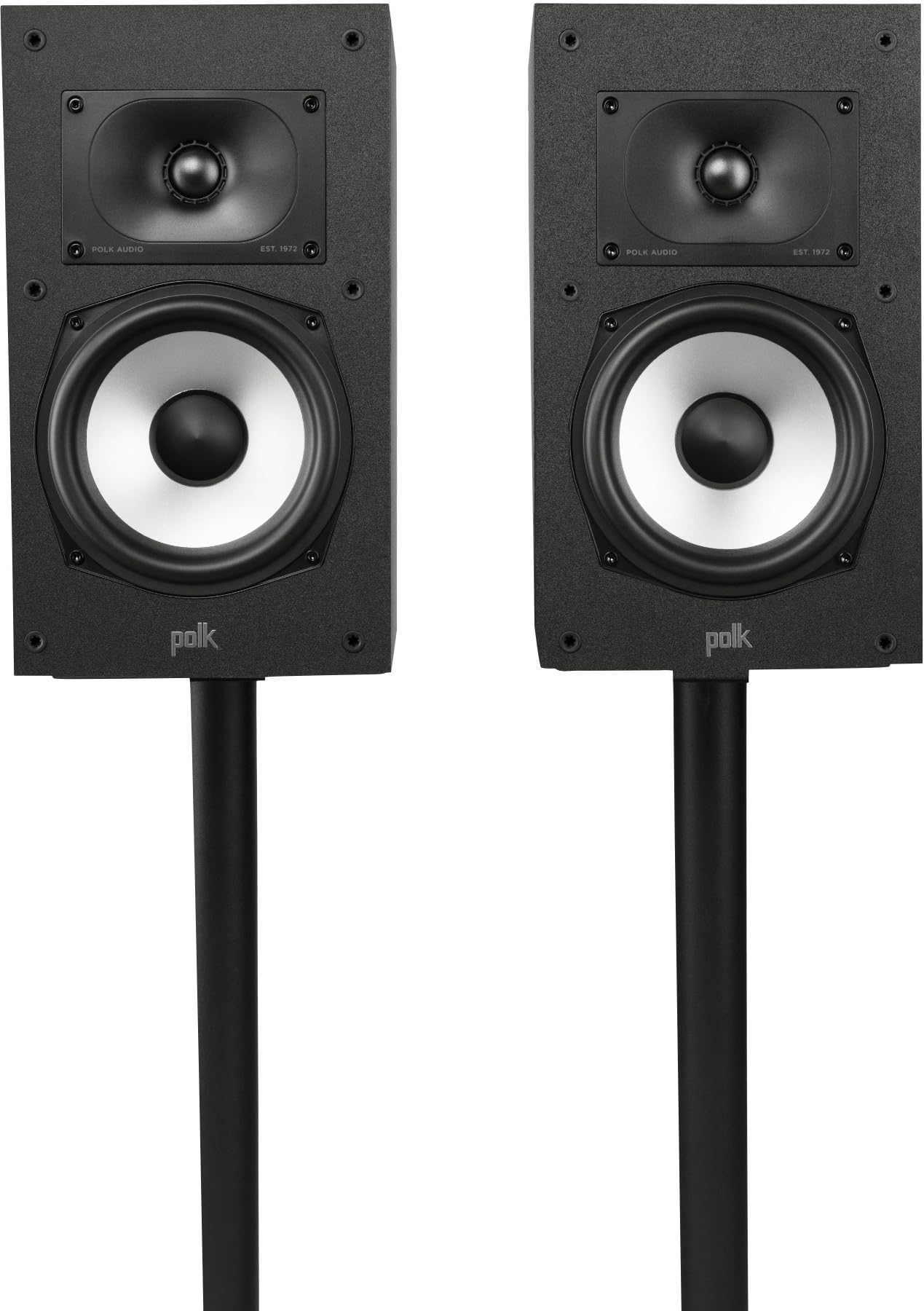
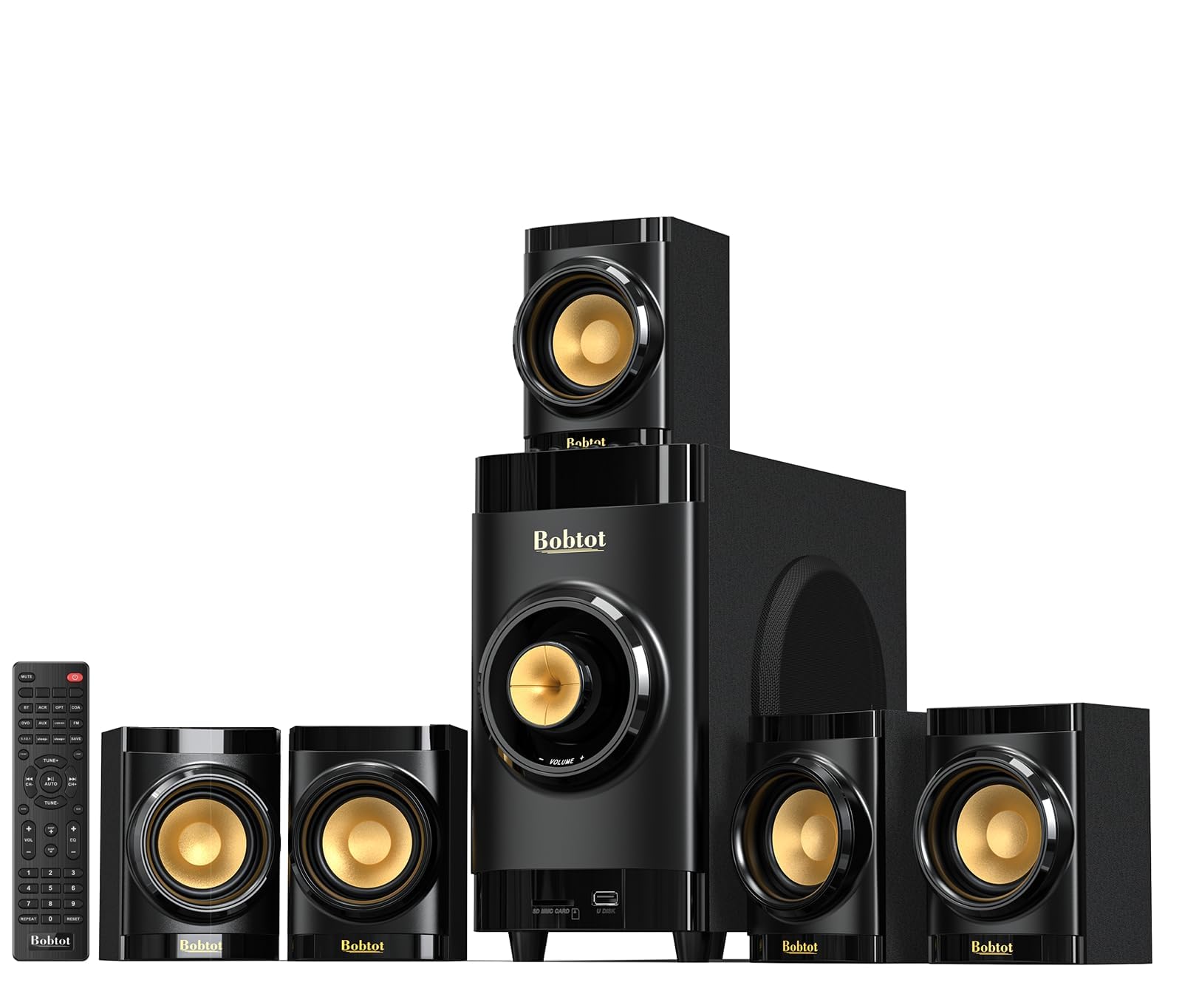
How to Choose the Best Mid Range Surround Sound Speakers: Buying Guide
The right package fits your room size, your receiver and your wiring tolerance. Work through these six points before you buy.
System Architecture: 5.1 Surround vs 5.1.2 Dolby Atmos
Pick the layout that suits your room and ceiling height. A 5.1 system is simpler and cheaper, while 5.1.2 adds overhead sound for rooms with standard ceilings.
- Traditional 5.1 Surround Sound: The foundational home theater standard. It uses three front speakers (left, center, right), two rear surround speakers and one powered subwoofer (.1), giving you sound all around the seating area.
- Immersive 5.1.2 Dolby Atmos: This adds two height channels (.2) that bounce sound off the ceiling or fire down from overhead speakers. Rain, helicopters and flying objects seem to move above you. Upward firing modules work best with flat, reflective ceilings of roughly eight to nine feet.
The Center Channel: The Dialogue Anchor of the System
The center channel carries most of a film's dialogue, so it deserves as much attention as the front pair. A weak center speaker makes you keep adjusting the volume, turning it up for quiet talk and down for loud action.
Look for a dual woofer or three way center with a clear midrange driver and a smooth dome tweeter. Match its height to your TV stand, since many centers are wide and need a shelf with enough depth.
Timbre Matching Across Front and Surround Channels
Timbre matching means the speakers share similar tonal character, so sounds keep the same voice as they move around the room. It matters most across the front three speakers.
If the left speaker has an aluminum tweeter and the center has a silk one, a voice can change tone as it pans across the screen. Buying a matched package from a single maker usually avoids this, because the driver materials are designed to work together.
Powered Subwoofer Performance and Bass Extension
The .1 channel is the low frequency effects channel, handled by a powered subwoofer. A decent one gives clean bass without boom.
Look for a 10 inch or 12 inch driver with a built-in amplifier rated around 150 to 300 watts RMS. Check the stated low frequency range, since reaching the high twenties or low thirties in hertz helps with explosions and music. A ported design usually plays louder, while a sealed one is often tighter in small rooms.
Satellite and Rear Surround Speaker Placement Flexibility
Check the size and mounting options of the rear speakers, because many living rooms have no wall directly behind the couch. Compact satellites with keyhole slots or threaded inserts can mount on side walls or on slim floor stands.
Place them slightly behind and beside the seating area. Also confirm that the included brackets or stands suit your walls before you order.
Impedance and AV Receiver Power Compatibility
Most passive packages need a multi channel AV receiver to decode Dolby Digital and DTS and to power each speaker. Check the nominal impedance of the speakers against the receiver's specifications.
Speakers rated at 8 ohms or 6 ohms pair easily with most modern receivers. Also compare the speakers' recommended amplifier power with what your receiver delivers per channel, so it is not strained during loud scenes.
Speaker Wire and Banana Plugs
A five or seven channel system can need dozens of feet of wire. Avoid thin lamp cord, because its resistance over long runs can hurt dynamics.
Use 14 gauge or 16 gauge oxygen free copper speaker wire, with the heavier gauge for longer runs. Banana plugs make connections secure, prevent stray strands from causing shorts and let you swap equipment in seconds.
Popular Mid Range Surround Sound Formats Compared
Three common formats suit different rooms and wiring preferences.
Compact Satellite 5.1 Speaker Packages
These pair five small satellites with an eight or ten inch powered subwoofer. They suit apartments, bedrooms and small living rooms where you want true surround sound without bulky speaker boxes.
Full Sized Bookshelf and Floorstanding Theater Bundles
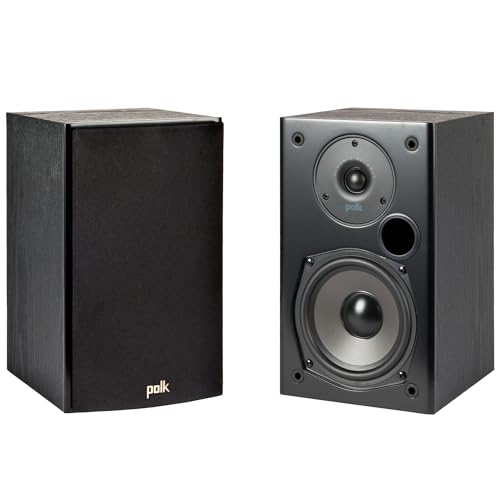
These use bookshelf or tower speakers up front, plus a larger center and surround speakers. They offer more dynamic headroom and a bigger soundstage, and they work well for both movies and stereo music.
Modular Wireless Surround Sound Systems
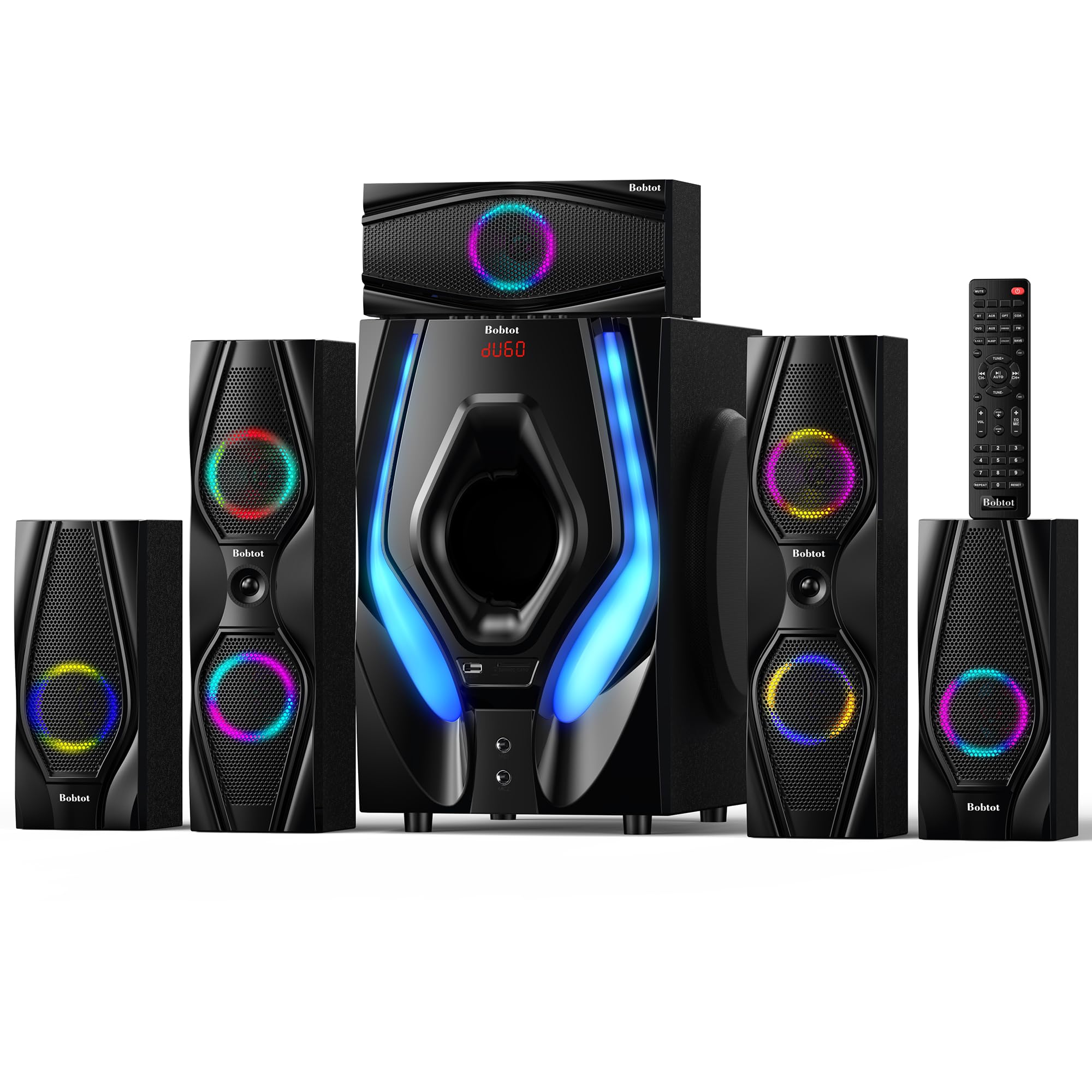
These combine a powered soundbar with wireless rear speakers and a wireless subwoofer. They avoid long wire runs across the floor while still providing multi channel audio, though the rear speakers still need power outlets nearby.
Essential Placement and Calibration Practices for Surround Sound
Good placement and setup often improve sound more than spending extra on speakers. These four habits help.
- Position the center channel directly beneath your TV: Center it on the screen and angle it slightly toward ear level so dialogue seems to come from the actors.
- Run your receiver's automated room calibration: Use the included microphone (Audyssey, YPAO or MCACC, depending on brand) to set distances and levels and to correct room problems.
- Do the subwoofer crawl: Put the subwoofer at your listening seat, play a bass heavy track, crawl around the room edges and place the sub where bass sounds tightest.
- Mount rear speakers slightly above ear level: Twelve to eighteen inches above seated ear height gives diffuse ambient effects that do not distract.
Frequently Asked Questions
What is the difference between a soundbar and a true surround sound speaker system?
A soundbar projects sound from one spot and relies on reflections, while a true surround system places separate speakers around the room. That gives more convincing spatial effects than most soundbars can match. A true system does need more wiring and space.
Do I need an AV receiver to use a surround sound speaker system?
Yes, passive speaker packages need a multi channel AV receiver. The receiver decodes the soundtrack and powers each speaker. Wireless or powered systems may include this function in the soundbar or hub.
Where should the rear surround speakers be placed in a 5.1 setup?
Place them at roughly 90 to 110 degrees to the sides of the main listening position. Angle them slightly toward the listener and set them just above ear level. If you have no side walls, stands or rear wall mounts also work.
What does timbre matched mean in surround sound audio?
Timbre matched means the speakers use similar driver and tweeter materials. This keeps voices and effects sounding consistent as they move around the room. Buying all speakers from one product line is the easiest way to get it.
Is Dolby Atmos worth it in a mid range system?
It is worth it if your room has a flat ceiling and you watch a lot of Atmos content on streaming or discs. In a small or very high ceilinged room, a good 5.1 system may give better value. Spending the difference on a better center channel and subwoofer often helps more.
Final Thoughts
Real theater sound at home comes from a few right choices. Prioritize matched front and surround drivers, a strong center channel, a low distortion powered subwoofer and careful placement, and the best mid range surround sound speakers will deliver clear dialogue and convincing movement. Compare the picks in the table above and match one to your room size and receiver.


