
The Best Mid Range Wireless Speakers for 2026: Portable and Home Audio Guide
Disclosure: We may earn a commission when you buy through links on this page, at no extra cost to you. As an Amazon Associate I earn from qualifying purchases. Learn more

Want full sound without a premium price? The best mid range wireless speakers compared by Wi Fi vs Bluetooth, IP rating, battery life and stereo pairing.
Music suits every part of the day, from morning workouts in the living room to weekend patio barbecues and quiet evenings in the bedroom. Many buyers used to face a choice between a tiny portable Bluetooth speaker that distorted at moderate volume and a wired stereo system fixed to one room. The best mid range wireless speakers close that gap, offering room filling sound, solid bass, long battery life and multiroom streaming at an accessible price, often somewhere around $100 to $300.
At this price, digital signal processing (DSP), long throw woofers, passive bass radiators and modern wireless chips combine to produce sound larger than the cabinet suggests. You can stream over Wi Fi at home and switch to Bluetooth at the beach or park. Below, we compare Wi Fi and Bluetooth streaming, waterproof ratings, stereo pairing and battery care, so you can match the picks in the table to how you actually listen.


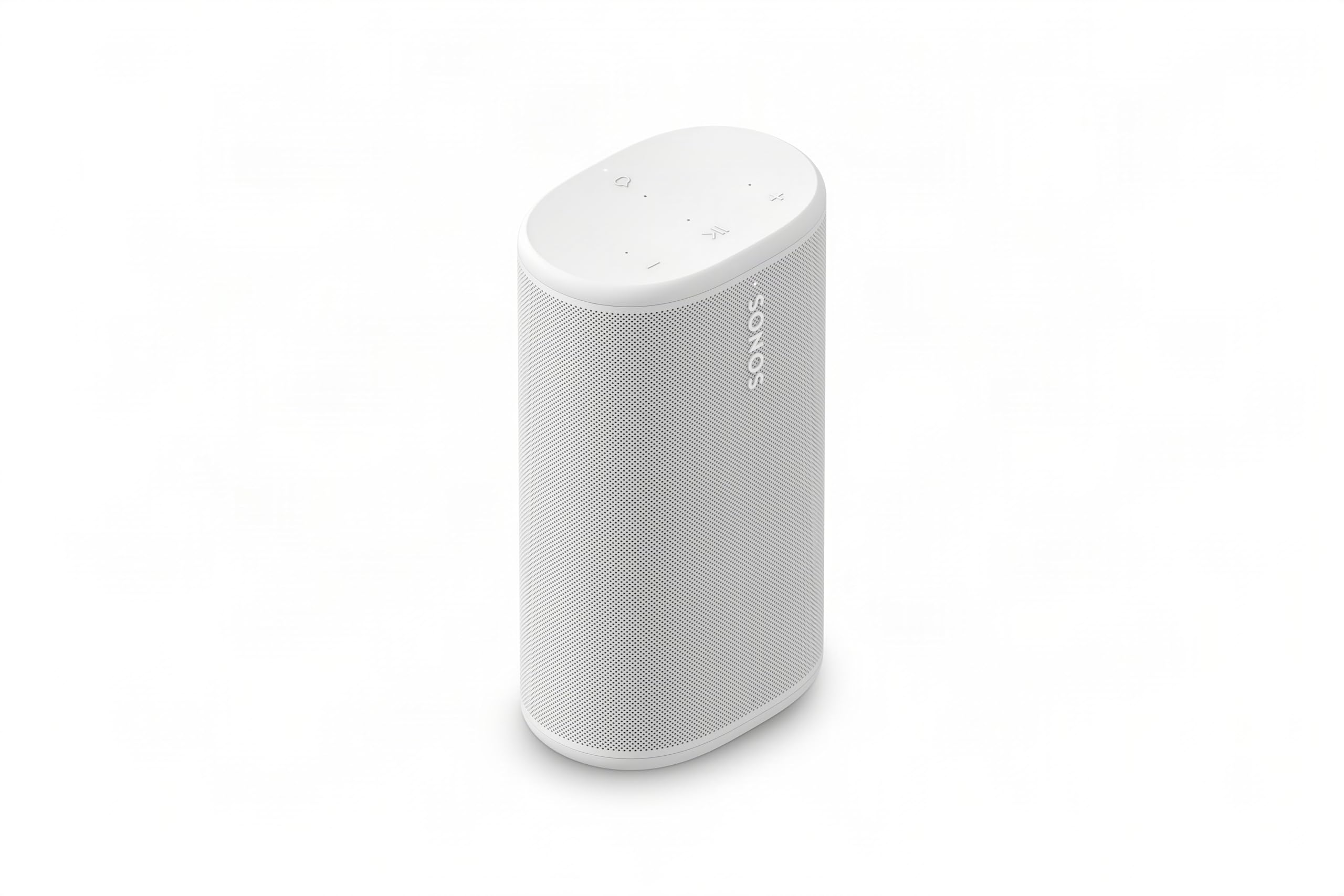


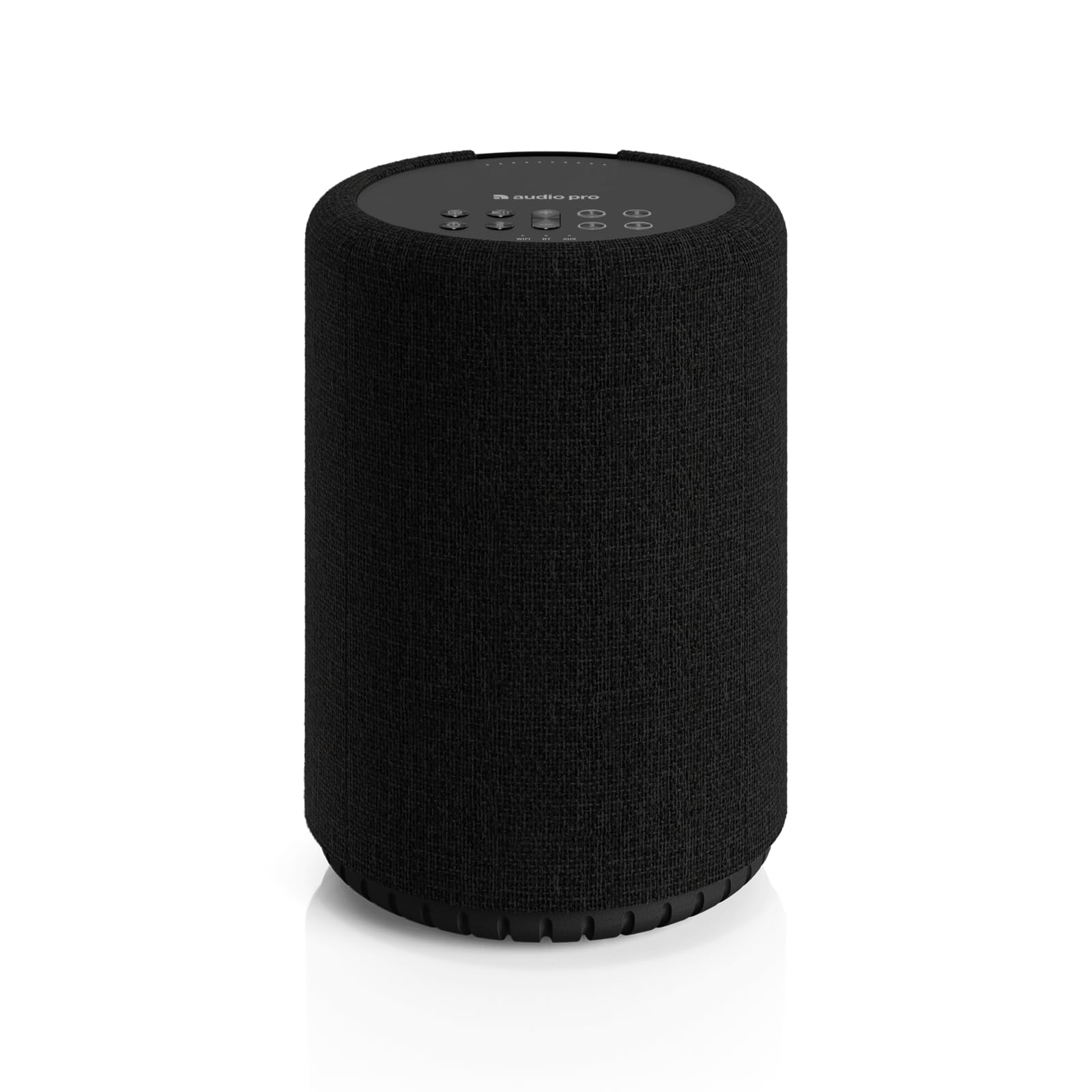

How to Choose the Best Mid Range Wireless Speakers
The right speaker balances sound quality, portability and network features for your listening habits. Check these benchmarks before buying. If the speaker will live on a kitchen counter or by a pool, look for a splash resistant body.
Wireless Connectivity: Dual Band Wi Fi vs Modern Bluetooth Codecs
Wi Fi is best for home listening, while Bluetooth is best for travel and outdoors. Each protocol has its own strengths:
- Dual Band Wi Fi (2.4GHz and 5GHz) with AirPlay 2 and Spotify Connect: The speaker pulls the stream directly from the internet, so phone calls and notifications do not interrupt playback. This usually gives higher quality than standard Bluetooth and makes multiroom grouping possible.
- Bluetooth 5.3 with AAC and LDAC codecs: Essential where home Wi Fi is unavailable. Newer versions offer stable range of roughly 30 meters in open space with low power use, and codecs like LDAC carry higher quality audio from compatible Android phones. iPhones use AAC.
Acoustic Driver Architecture: Active Bi Amplification and Passive Radiators
Deep bass from a small cabinet depends on the driver layout. Look for a dedicated woofer and tweeter, ideally with passive bass radiators.
Passive radiators use the air pressure inside the enclosure to reproduce low frequencies without the port noise of a vented design. Active bi amplification gives the tweeter and woofer their own Class D amplifier channels, which keeps highs clean when the bass is working hard.
Waterproof and Dustproof Durability: IP67 vs IPX5 Ratings
The IP rating tells you how much water and dust the speaker can handle. Check it if you plan to use the speaker at the pool, while camping or in the bathroom.
- IP67: Fully dust tight and rated to survive immersion in up to one meter of water for 30 minutes. This is the best choice for beaches and pools.
- IPX4 or IPX5: Protects against splashes and rain, which suits kitchen counters and patios but not submersion. The "X" means dust protection was not rated.
Battery Capacity and USB C Power Bank Capabilities
A good portable speaker should last a full day of moderate listening. Aim for roughly 12 to 24 hours of playback on a charge, noting that high volume shortens this considerably.
Some models also work as a power bank through a USB A or USB C output, letting you top up a phone during a camping trip. Remember that this drains the speaker battery faster, so use it for emergencies rather than as a habit.
True Wireless Stereo (TWS) Pairing and Multiroom Grouping
Two matching speakers paired for stereo sound far wider than one. Look for True Wireless Stereo (TWS) support, which assigns one speaker as the left channel and the other as the right.
Pairing is usually a single button press. On Wi Fi systems, you can also group speakers in different rooms to play the same music in sync, or send different songs to each room.
Adaptive Room Tuning and Smart Microphone Calibration
Room tuning corrects for where the speaker sits. Built in microphones measure reflections from nearby walls and furniture, then DSP adjusts the equalization.
This reduces boomy bass when a speaker sits in a corner or on a shelf, and keeps vocals clear on an open patio. It is most common on Wi Fi models and is worth having if you move your speaker around.
Multi Speaker Party Broadcast Modes
Party modes link many speakers to cover a large space. Features such as PartyBoost or Party Mode connect compatible speakers from the same brand with a single button press.
Spreading several linked speakers across a patio, garden and pool deck gives more even coverage than one loud speaker in a corner. Check that the feature works across the models you own, since brands usually do not mix.
Low Latency Bluetooth Modes for Video Synchronization
Latency matters if you watch video through the speaker. Standard Bluetooth can add a delay that puts dialogue out of sync with lip movements.
Look for a low latency or gaming mode, or a wired audio input, which avoids the delay entirely. Many phones and streaming apps also compensate for Bluetooth delay automatically.
Popular Wireless Speaker Formats Compared
Three styles cover most listening habits, so pick the one that fits where you will use it most.
Rugged Cylindrical Outdoor Bluetooth Speakers
These suit hiking, picnics and the beach. They typically have rubber end caps, fabric wraps, a carry strap and 360 degree sound, and many carry an IP67 rating.
Home Wi Fi Smart Speakers
These suit kitchens, home offices and living rooms. They tend to have a minimalist grille, voice assistant support and Wi Fi streaming, and they stay plugged in as permanent fixtures.
Boombox Style Party Speakers
These suit backyard parties and tailgating. Expect dual large woofers, a carry handle, light effects and strong low bass, at the cost of weight and a bulkier size.
Essential Maintenance Habits for Wireless Speakers
A few simple habits protect battery health and sound quality for years.
- Keep the speaker out of hot cars: Heat in a closed vehicle speeds up lithium battery wear, so bring it indoors after trips.
- Rinse off sand and salt water: After the ocean, rinse a waterproof speaker under gentle fresh tap water before charging.
- Dry the charging port first: Never plug a cable into a wet speaker, and let moisture evaporate fully to avoid shorts.
- Update firmware through the companion app: Updates often bring connection fixes, battery tweaks and new EQ options.
- Avoid storing at 0 percent: If the speaker will sit unused for months, leave it around half charged.
Frequently Asked Questions
What is the difference between Wi Fi speakers and Bluetooth speakers?
Wi Fi speakers stream through your home network, while Bluetooth speakers connect directly to a device. Wi Fi avoids interruptions from calls and supports multiroom grouping, but needs a network. Bluetooth works anywhere.
Can you pair two wireless speakers together for true stereo sound?
Yes, models with True Wireless Stereo (TWS) pairing can link two units as left and right channels. Both speakers generally need to be the same model or at least the same brand. The result is a wider soundstage than a single speaker.
Can a waterproof IP67 speaker float in swimming pools?
Some can, but IP67 itself does not guarantee floating. Many cylindrical designs are buoyant, while others sink, so check the product description for a floating claim. An IP67 speaker will survive brief immersion either way.
How long does the battery last on a mid range wireless speaker?
Most mid range portable speakers last roughly 12 to 20 hours at moderate volume. Loud playback, strong bass and features like lighting reduce that. Check the maker's stated figure for the model you choose.
Do I need a wireless speaker with physical buttons?
Physical buttons are useful but not essential. They let you change volume and skip tracks with wet hands at the pool, so they are worth having on any outdoor speaker.
Final Thoughts
The best mid range wireless speakers depend on where you listen most. Choose Wi Fi with room tuning for the home, IP67 and long battery life for outdoors, and TWS pairing if you want wide stereo from two units.
Compare the picks in the table above against your priorities before you order.


