
The Best Mixer for Powered Speakers for 2026: Live Sound Audio Guide
Disclosure: We may earn a commission when you buy through links on this page, at no extra cost to you. As an Amazon Associate I earn from qualifying purchases. Learn more

Gigging musicians and DJs: the best mixer for powered speakers is an unpowered one. See balanced XLR outputs, preamps and gain staging explained.
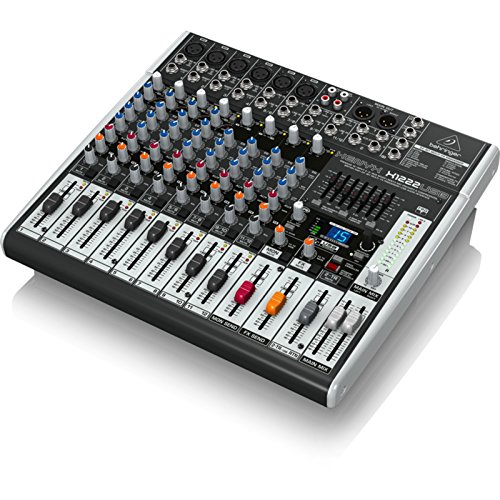
If you run active PA speakers at gigs, weddings, worship services or corporate events, you need a mixer that feeds them clean line level signals and nothing more. Active cabinets already contain their own amplifiers and crossovers, so setup is lighter and simpler than with passive speakers, but the mixer in front still decides how clear, quiet and feedback free the sound is. The best mixer for powered speakers offers quiet microphone preamps, balanced XLR outputs and enough channels for your whole act.
One rule matters above all: never connect the speaker level outputs of a traditional powered mixer to an active speaker, because that can damage the equipment. Choose an unpowered analog or digital mixer that outputs balanced line level signals. Below we cover outputs, preamps, effects, EQ, monitoring, cabling and gain staging, so you can read the picks in the table with confidence.



How to Choose the Best Mixer for Powered Speakers
The right mixer for active speakers comes down to signal routing, preamp quality and the master output type. Work through these benchmarks before you buy.
Unpowered Mixers with Balanced XLR Line Outputs
Always pick an unpowered mixer with line level outputs. Active speakers contain internal amplifiers, and feeding them an amplified signal can cause serious electrical damage.
Also look for balanced XLR master outputs. Balanced cables carry two opposite polarity copies of the signal that cancel interference and radio frequency noise, which keeps long runs to speakers placed fifty feet or more away quiet. Balanced quarter inch TRS outputs work the same way if the speakers accept them.
Microphone Preamps and +48V Phantom Power
Preamps are the front end of any mixer and set its noise floor. Look for low noise, high headroom preamps with roughly 50 to 60 dB of clean gain, which suits both vocals and quieter acoustic sources.
Switchable +48V phantom power is needed for condenser microphones and many active direct boxes. Check whether phantom power is global or per channel, since a per channel switch is safer with mixed gear.
Channel Count and Stereo Line Inputs
Count your sources first, then add a few spare channels. A solo acoustic duo may need four inputs, while a full band or corporate event often needs eight to sixteen.
Dedicated stereo line channels are useful for keyboards, DJ players and laptops, because they save mic channels for vocals and instruments.
Onboard Digital Effects
Built in effects give you reverb, delay and chorus without carrying an outboard rack unit. Subtle vocal reverb alone often makes a small act sound more finished.
Look for a multi effects engine with plate and hall reverbs, tap delay and an adjustable parameter knob. A footswitch input for muting effects is a handy extra on stage.
Channel EQ and Low Cut Filters
Channel EQ helps you control feedback and muddiness. A three band EQ with a sweepable midrange lets you pull problem frequencies out of a vocal precisely.
A low cut (high pass) switch, usually around 75 to 100 Hz, on each mic channel removes stage rumble, wind noise and handling thump. That frees amplifier headroom in your speakers for the content that matters.
Auxiliary Sends and Monitor Mixes
Performers need to hear themselves, so choose a mixer with at least one or two pre fader aux sends. These feed floor wedges or in ear systems.
Because the send is taken before the channel fader, moving the main mix up or down does not change what the band hears on stage.
Cables and Snakes
Good cables protect a good mixer. Cheap unshielded leads can pick up hum over long runs, so choose balanced XLR cables with solid shielding and metal connectors from a known maker such as Neutrik.
A multichannel snake bundles stage inputs into one cable, keeps the floor tidy, reduces trip hazards and speeds up setup and teardown.
Feedback Suppression
Feedback suppression helps in rooms with hard floors, glass or low ceilings. Some mixers include automatic notch filters that detect a ringing frequency and cut it narrowly.
It is a helpful safety net, but it does not replace good microphone placement and sensible EQ.
Mixer Formats Compared
Three formats cover most live sound needs, and the best fit depends on how you work.
Compact Analog Live Mixers
Analog mixers have physical knobs and faders with a one to one layout. They are quick to learn and easy to adjust mid song, which is why bands, acoustic acts and mobile DJs favor them.
Digital Stagebox Mixers with Tablet Control
These pair a stagebox of inputs with control from a tablet over Wi Fi. They let you walk the room and adjust EQ and levels from the audience position, though they take longer to learn.
Mini Desktop Mixers
Small mixers with USB audio, Bluetooth and headphone outputs suit solo singers, presentations, podcasts and home studios. They offer fewer channels, but they are light and simple to set up.
Gain Staging for Powered Speakers
Good gain staging gives you maximum clean volume with the least noise. Follow these four steps.
- Set speaker volume knobs near unity (about 12 o'clock): Let the mixer do the preamplification, since turning speaker dials to maximum raises hiss.
- Set channel gain using PFL metering: Sing or play at performance level and raise gain until the meter peaks near the top without lighting the clip LED.
- Keep channel faders near unity (0 dB): This gives the best signal to noise ratio and leaves room to move.
- Power up the mixer first and the speakers last: This avoids turn on pops that can stress drivers. Reverse the order when shutting down.
Home and Small Event Setups
A mixer for powered speakers is not only for stages. Many people use a small unpowered mixer for karaoke, home practice rooms and backyard parties, where a few channels and a simple master output are enough.
Sealed rotary controls are worth looking for on a mixer that travels. They resist stage dust, smoke machine residue and spills, which helps keep volume adjustments free of crackle over time.
Frequently Asked Questions
Can I use a powered mixer with active powered speakers?
No, you should not connect the amplified speaker outputs of a powered mixer to active speakers. Active speakers need unamplified line level signals. A powered mixer can still work if it has line level outputs and you ignore its internal amplifier, but an unpowered mixer is the simpler choice.
Why should I use balanced XLR cables between the mixer and speakers?
Balanced XLR cables cancel interference, radio noise and ground hum over long runs. This keeps the signal clean even when speakers sit far from the mixer. They also have locking connectors that resist being pulled out during a show.
What is unity gain on a mixer?
Unity gain means the signal passes through without being boosted or reduced, usually marked 0 dB or the 12 o'clock knob position. Working near unity keeps noise low and leaves headroom for loud moments.
Do I need an external graphic equalizer for my powered speakers?
Usually not for small to medium venues. Many active speakers include DSP modes for music, speech and live sound, and channel EQ on the mixer covers most problems. A graphic EQ becomes useful mainly for taming a difficult room.
How many channels do I need?
Count every microphone, instrument and line source, then add two spare channels. A duo often needs four to six, while a full band needs eight to sixteen.
Final Thoughts
The best mixer for powered speakers is an unpowered model with balanced XLR outputs, quiet preamps, sweepable EQ, useful aux sends and enough channels for your act. Match the format to how you perform, then use sensible gain staging to get clean, loud, feedback resistant sound. Compare the picks in the table above against your channel count and budget before you decide.


