
The Best Speakers for Mid Range for 2026: Vocal Clarity and Audio Guide
Disclosure: We may earn a commission when you buy through links on this page, at no extra cost to you. As an Amazon Associate I earn from qualifying purchases. Learn more

Choosing the best speakers for mid range? Compare midrange cone and dome drivers, cone materials, crossover points and sensitivity before you buy.
Vocals, guitars, pianos and movie dialogue all sit in the midrange, and a speaker that gets this band wrong sounds nasal, boxy or muffled. Human hearing spans roughly 20 Hz to 20,000 Hz, but most of the musical energy people care about lives between about 250 Hz and 4,000 Hz. Choosing the best speakers for mid range means finding drivers and crossovers that handle that band cleanly, whether you are building a home tower system, upgrading car door speakers or setting up studio monitors.
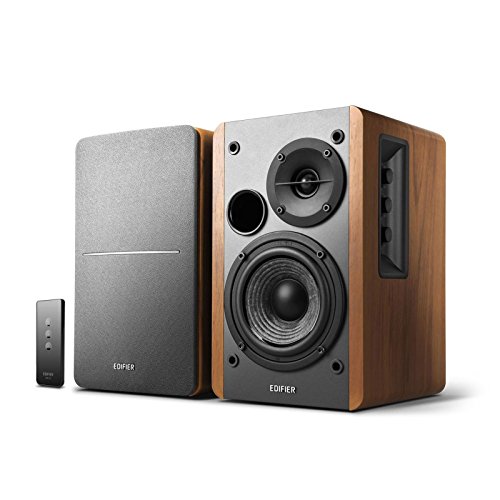
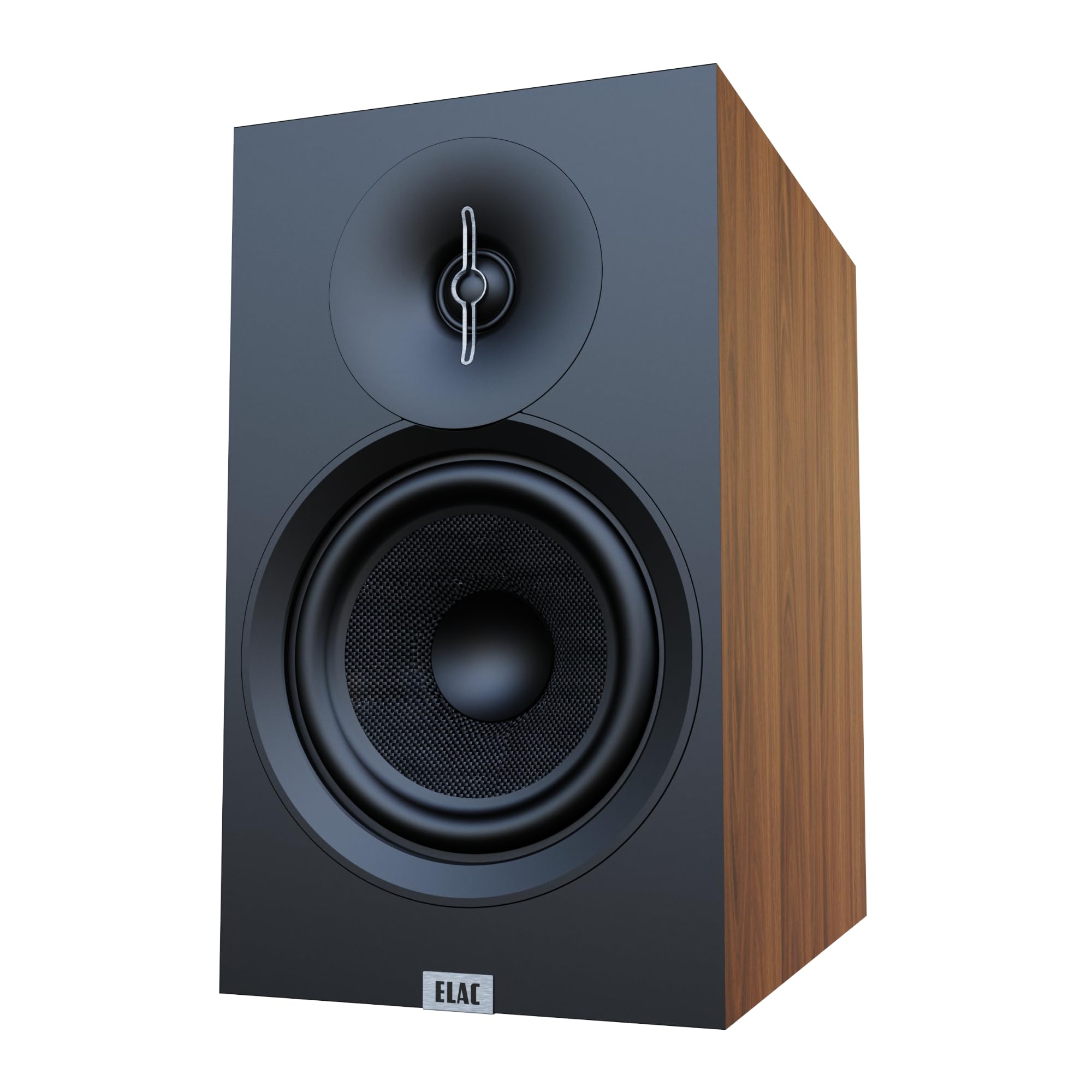
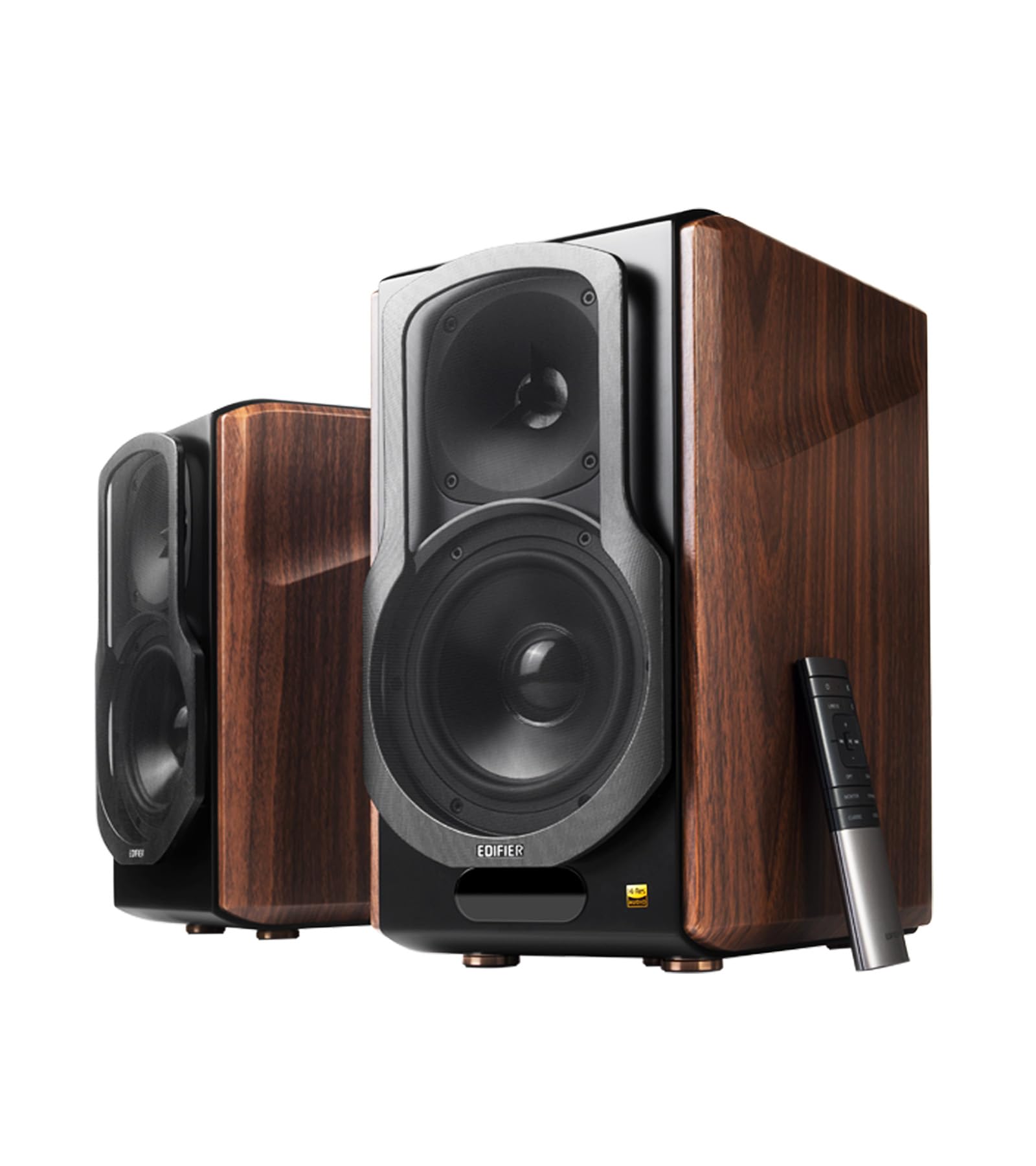
This guide explains cone versus dome midrange drivers, common diaphragm materials, crossover points, sensitivity and enclosure details. It also covers where dedicated midrange drivers matter most and how to set them up. The picks in the table show models that fit these points.




How to Choose the Best Speakers for Mid Range: Buying Guide
Pick midrange speakers by looking at driver design, frequency range, crossover integration and enclosure. Work through the benchmarks below before you buy, and compare the specs listed for each model in the table.
Dedicated 3 Way Architecture vs 2 Way Systems
A three way design usually gives cleaner vocals than a two way design, because a separate driver handles the midrange. In a two way speaker, one woofer must play deep bass and also articulate a singer's upper harmonics. That double job can add intermodulation distortion, which smears vocals during loud bass passages.
A three way system places a dedicated midrange driver in its own sub enclosure. Freed from large bass excursions, the cone can focus on fast, linear vocal reproduction, which often improves soundstage depth. The tradeoff is higher cost and a more complex crossover.
Driver Architecture: Cone Midranges vs Soft Dome Midranges
Midrange drivers come in two main formats, and each suits a different goal. Cones are common and flexible, while domes are known for wide, even dispersion.
- Cone midrange drivers (about 3.5 to 5.25 inches): These use a conical diaphragm with an outer surround. They play down to roughly 250 Hz, so they blend easily with larger bass woofers.
- Soft dome midranges (about 2 to 3 inches): These use a fabric or silk dome driven by a strong magnet motor. They usually offer wide off axis dispersion and fast transient response, which gives a broad sweet spot in a listening room.
Diaphragm Material: Aramid Fiber vs Paper vs Aluminum
The best cone material is stiff, light and well damped, and each common material trades off warmth against precision. The goal is to avoid cone breakup resonances inside the midrange band.
- Treated paper and wood pulp: A long time favorite for voices. Paper damps itself well and tends to sound warm and natural.
- Woven aramid fiber (Kevlar): Strong and resistant to flexing at high volume, which gives punchy, articulate definition.
- Anodized aluminum and magnesium alloys: These offer detailed, precise sound, but they often need steep crossover slopes to filter out high frequency metal breakup peaks.
Crossover Tuning and Frequency Integration
A midrange driver is only as good as the crossover feeding it, because the crossover decides which frequencies reach each driver. Look for crossover points near 300 Hz on the low end and about 3,000 to 3,500 Hz on the high end.
That keeps the whole vocal range inside one driver, so no crossover phase shift lands in the middle of a singer's voice. If a manufacturer lists its crossover points, check them against this range.
Sensitivity Ratings and Power Handling
Sensitivity tells you how loud a speaker plays for a given amplifier power, measured in dB at 1 watt and 1 meter. Midrange drivers often list sensitivity from about 89 dB to 94 dB.
Higher sensitivity lets subtle details such as breaths and fret noise come through with ease, without needing a powerful amplifier. Also check the continuous RMS power rating, not just the peak figure, and match it to your amplifier.
Enclosure Isolation and Rear Wave Absorption
A midrange driver works best in its own sealed chamber, because the rear pressure from bass woofers can push on the delicate cone from behind. This applies inside cabinets and inside car doors.
Lining the chamber with wool or acoustic Dacron batting absorbs rear waves, so reflections do not bounce back through the cone and muddy vocals.
Phase Plugs and Treble Cancellation
Some cone midrange drivers use a solid phase plug in the center instead of a dust cap. A plug guides sound outward from the voice coil area, which helps reduce cancellation at higher midrange frequencies.
Many plugs are metal, so they can also help draw heat away from the voice coil. This is a useful extra but not a must have on every good driver.
Cast Aluminum Baskets and Spider Venting
The basket holds the cone and magnet, so a rigid one keeps the motor aligned and reduces unwanted resonance. Cast aluminum baskets are common on better drivers, and stamped steel is typical on budget ones.
Open vents beneath the spider let air move freely behind the cone, which avoids back pressure that can color vocals.
Popular Midrange Speaker Applications Compared
Dedicated midrange speakers show up in three common setups, each with its own priorities.
Automotive 3 Way Component Systems
A car three way set typically pairs a 6.5 inch mid bass woofer in the door with a small midrange of about 3.5 inches on the dash or A pillar, plus a tweeter. Raising the midrange toward ear level lifts the soundstage and makes vocals feel like they come from in front of you.
Home Theater Center Channels
Many three way center channels use a vertical midrange and tweeter flanked by two woofers. This layout reduces horizontal lobing, so dialogue stays clear from seats off to the side.
Studio Reference Monitors
Studio monitors aim for flat response and phase coherence across the vocal range. Engineers use them to balance lead vocals, snare drums and guitars while mixing.
Installation and Tuning Habits for Midrange Speakers
Good setup can improve vocal clarity as much as a driver upgrade, and these four habits cost little.
- Aim drivers toward the listening seat: Sound becomes more directional above about 2,000 Hz, so pointing the driver at your ears sharpens center focus.
- Use steep crossover slopes: Slopes of 12 dB or 24 dB per octave protect midrange cones from bass excursion and limit high frequency breakup.
- Seal the mounting: Closed cell foam gaskets behind the mounting flange prevent air leaks that cause whistling or loss of damping.
- Allow a gentle break in period: New suspensions and surrounds loosen with moderate playback over several dozen hours, so avoid judging the sound or pushing volume on day one.
Frequently Asked Questions
Why is the midrange considered the most important frequency band?
Human ears are most sensitive in the midrange, where speech and the fundamentals of most instruments sit. Errors here are easy to hear, such as thin vocals or boxy dialogue. That is why midrange quality often matters more than extreme bass or treble.
What is the difference between a midrange driver and a mid bass woofer?
A mid bass woofer handles low frequencies, often down to around 50 Hz, while a midrange driver is optimized for roughly 250 Hz to 4,000 Hz. The midrange driver is lighter and more articulate in its band. The mid bass woofer moves more air but is less precise with vocals.
Can a dedicated midrange speaker improve dialogue in movies?
Yes, a three way center channel with a dedicated midrange driver usually improves dialogue clarity. Voices stay separate from effects and music during busy scenes. Placement and room acoustics still matter, so aim the center channel at ear height.
Do midrange speakers need a lot of amplifier power?
No, midrange drivers generally need modest power because they do not reproduce heavy bass. High sensitivity ratings also help them play loud efficiently. Make sure the amplifier is clean and matches the speaker's RMS rating.
Final Thoughts
The best speakers for mid range combine a dedicated three way layout, a well damped cone or dome, sensible crossover points and an isolated enclosure. Check sensitivity and RMS power against your amplifier, then pick the material that matches your taste, warm paper or precise aluminum. Compare the picks in the table above to find a set that suits your room, car or studio.


