
Best Wireless Speakers for Home: Matching the Right Model to Your Routine
Disclosure: We may earn a commission when you buy through links on this page, at no extra cost to you. As an Amazon Associate I earn from qualifying purchases. Learn more

WiFi multiroom, smart, Bluetooth and portable speakers matched to students, remote workers, smart homes and music lovers.
There is no single wireless speaker that suits every home. A student in a small apartment, a remote worker who wants background music between calls, a family building a whole home audio system and someone who moves music from kitchen to backyard all need something different. This guide to the best wireless speakers for home starts with your routine and works back to the type of speaker that fits it, so you pay for features you will actually use.
The short answer: choose a WiFi speaker like Sonos if you want music in several rooms and the best streaming quality, a smart speaker with Alexa or Siri if voice control and smart home features matter most, a Bluetooth home speaker for simple phone streaming with big sound, and a portable waterproof speaker if you want music that moves with you indoors and out.
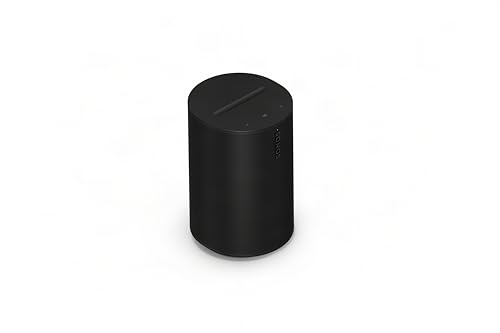
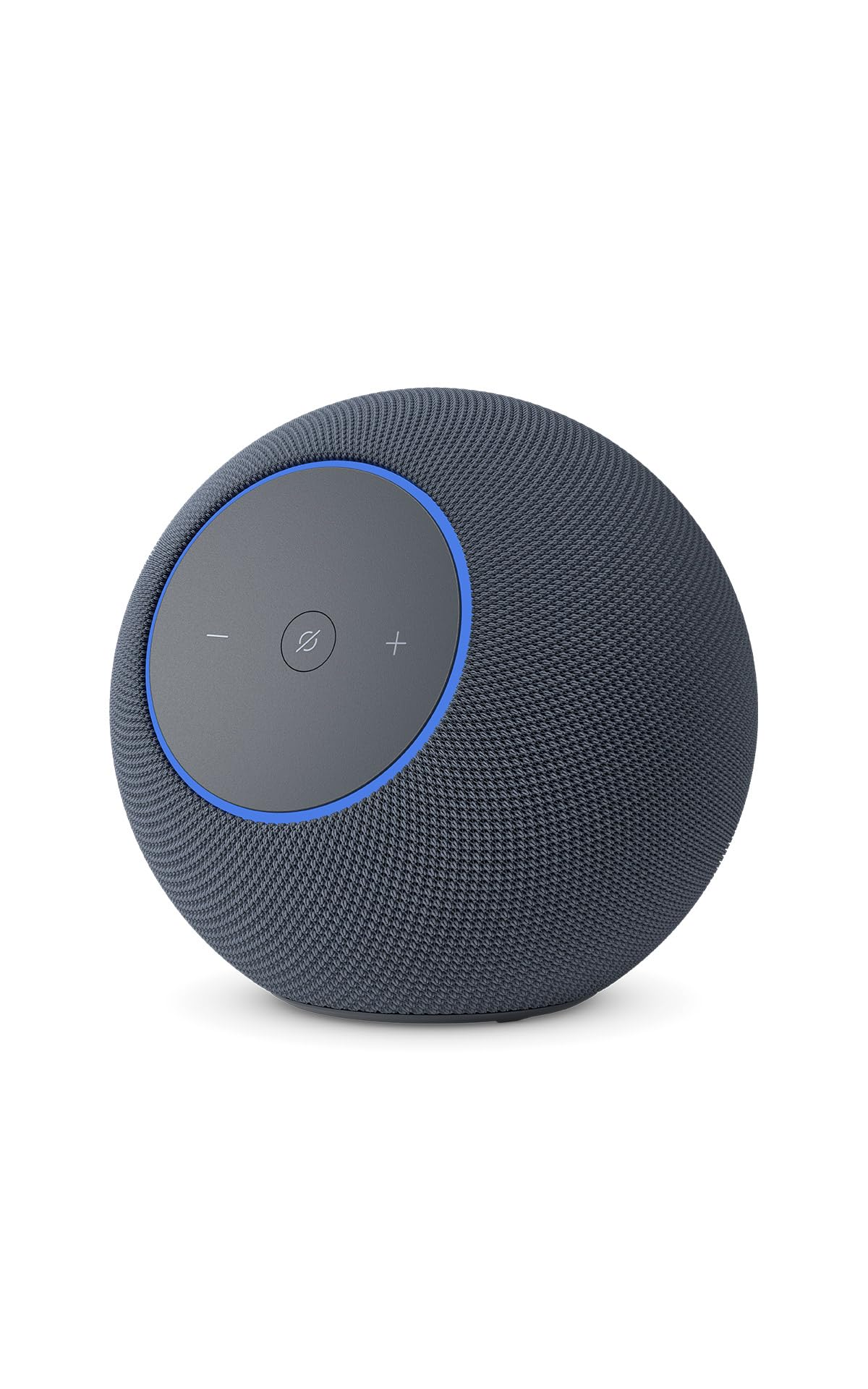
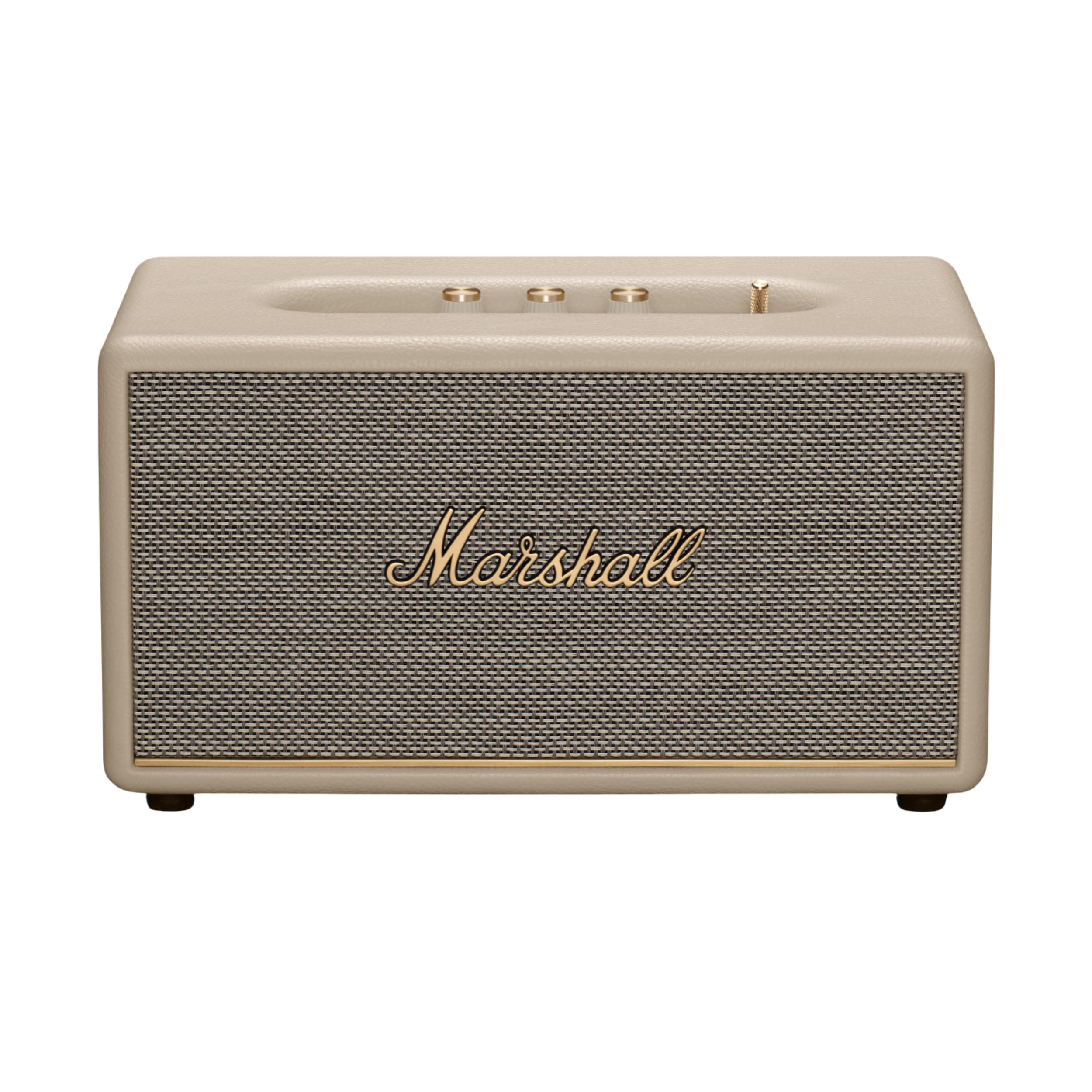


Top 3 Picks at a Glance
These three speakers represent the most popular home speaker types: WiFi multiroom, smart speaker and Bluetooth home speaker.


Who Should Buy Which Wireless Speakers?
Wireless home speakers fall into four broad types. WiFi speakers stream directly from the internet and can group across rooms. Smart speakers add voice assistants and smart home control. Bluetooth home speakers connect to your phone for simple playback, and portable speakers add batteries and weatherproofing. Your routine decides which type fits.
For Students and Everyday Users
Students and casual listeners want good sound, easy setup and a reasonable price. A compact Bluetooth or smart speaker around $50 to $200 fills a bedroom or small apartment and pairs instantly with a phone. Portable speakers are useful if you move between rooms or take music to friends' places. Look for simple controls, a durable build and enough volume for small gatherings without distortion. A smart speaker also adds timers, alarms and weather updates, handy for busy schedules.
For Remote Workers and Creators
People working from home often want background music that does not interfere with calls. A WiFi speaker streams directly from services like Spotify, so notifications and call audio on your computer stay separate. Microphone free speakers appeal to those who prefer no always listening assistant in the office. Creators who also edit audio should choose speakers with balanced, natural tuning and EQ adjustments in an app, so music sounds accurate rather than overly bassy.
For Families and Smart Homes
Families benefit most from smart speakers that control lights, thermostats and doorbells while playing music. Alexa, Google Assistant and Siri can set routines, answer questions and broadcast announcements to different rooms. Multiroom systems let everyone listen to the same playlist throughout the house or different music in different rooms. Kids' profiles and parental controls add peace of mind.
For Movers Between Rooms and the Backyard
If you cook in the kitchen, garden in the backyard and relax on the patio, a portable speaker that moves with you is ideal. Waterproof models rated IP67 survive rain, splashes and pool parties, and batteries lasting 12 to 24 hours cover full weekends. Some portable speakers can pair with each other for stereo sound or join larger groups.
For Music Lovers and Home Theater Fans
Music lovers want rich, room filling sound. Larger WiFi speakers with multiple drivers, spatial audio and Dolby Atmos support deliver a more immersive experience. Some systems let you pair two speakers for stereo or connect them to a soundbar as rear surrounds.
Key Features to Compare
Once you know your routine, compare models on the features below, each tied to how the speaker will perform in your home.
Placement and Room Size
Speaker size should match the room. Compact speakers work well in bedrooms, offices and bathrooms, while larger speakers fill living rooms and open kitchens. Place speakers away from corners to avoid boomy bass, or closer to walls if you want more low end. Many WiFi speakers include room tuning that adjusts sound to your space. Two identical speakers paired for stereo create a wider soundstage than one speaker alone.
Sound Quality and Tuning
Larger drivers and more of them produce fuller sound and deeper bass. Look for speakers with separate tweeters and woofers for clear vocals and detail. Some speakers lean warm and bass heavy, ideal for pop and hip hop, while others aim for neutral tuning that suits acoustic music and podcasts. Adjustable EQ in a companion app lets you tailor sound to your taste.
Ecosystem and App Features
Your phone and smart home platform matter. Sonos works with Apple AirPlay 2, Spotify Connect and many streaming services. Amazon Echo devices integrate with Alexa smart homes, Google Nest speakers with Google Assistant and Apple HomePod with Siri and HomeKit. Companion apps handle setup, firmware updates, grouping and EQ. Choose a speaker that fits the ecosystem you already use.
Battery Life and Charging
Plug in speakers never need charging, which suits fixed locations like living rooms and kitchens. Portable speakers typically last 10 to 24 hours per charge, and many charge over USB C. Some home speakers offer optional battery bases or charging docks. If you plan to move a speaker often, battery life matters more than raw power.
Connectivity (Bluetooth Version, Codecs, Wired)
WiFi offers better range, higher quality streaming and multiroom grouping, while Bluetooth is simpler and works anywhere without a network. Newer Bluetooth versions improve range and stability, and codecs like AAC and aptX enhance sound from compatible devices. Wired inputs such as 3.5 mm or line in let you connect turntables, TVs and other sources.
Common Mistakes to Avoid When Buying Wireless Speakers
- Choosing on price alone. Cheap speakers may sound thin and distort at moderate volumes, while a little more money often buys much better clarity.
- Ignoring placement and room size. A tiny speaker cannot fill a large living room, while a big speaker can overwhelm a small bedroom.
- Mixing ecosystems. Speakers from different platforms may not group together for multiroom audio.
- Forgetting about privacy. If you do not want an always listening assistant, choose microphone free models or speakers with a physical mute switch.
- Skipping warranty checks. Confirm warranty coverage and software update support, especially for WiFi speakers.
Tips to Get the Most From Your Wireless Speaker
Keep firmware updated through the companion app, since updates add features, improve sound and fix connection issues. Use room tuning features where available to adjust sound to your space. For portable speakers, store them in a case or bag when traveling to protect drivers and grilles. Dust speakers with a soft cloth, avoid placing them in direct sunlight and keep them away from heat sources. Place WiFi speakers within strong signal range of your router or mesh node to prevent dropouts.
Setting Up Your Wireless Speaker
Getting a new speaker running takes only a few minutes, but a little care at setup improves sound and reliability. For WiFi and smart speakers, download the companion app first, then plug in the speaker and follow the prompts to connect it to your network. Use the 5GHz band if your router offers it and the speaker supports it, since it is usually less congested than 2.4GHz.
Run any available room tuning feature, which uses a microphone in the speaker or your phone to adjust bass and treble for the room. Name each speaker by room, such as kitchen or bedroom, so voice commands and grouping are easy. For Bluetooth speakers, pair once in your phone's settings, and the speaker will reconnect automatically next time.
Finally, experiment with placement. Moving a speaker a foot away from a wall or raising it to ear height can make a bigger difference than spending more money. Even the best wireless speakers for home sound noticeably better when placed thoughtfully, with clear space in front and a stable surface underneath.
Smart Speaker Privacy Tips
Smart speakers listen for a wake word, which raises privacy questions for some households. Use the physical mute button when you want the microphones off, review and delete voice recordings in the companion app and adjust settings that control whether recordings are used to improve services. If you prefer no microphones at all, choose a mic free speaker and control it from your phone instead.
Building a Multiroom Audio System
Multiroom audio lets you play the same music throughout your home or different music in each room, controlled from one app. Start with one speaker in the room where you listen most, then add more over time. Stick to one ecosystem, such as Sonos, Amazon Echo, Google Nest or Apple AirPlay, so speakers group seamlessly.
Place compact speakers in bedrooms, bathrooms and offices, and larger speakers in living rooms and kitchens. Many systems let you pair two speakers for stereo or connect them to a soundbar and subwoofer for home theater. A strong WiFi network, ideally mesh in larger homes, keeps multiroom playback in sync. Consider outdoor or portable speakers that join the same system for patios and backyards.
How Much to Spend on Wireless Speakers for Home
Around $40 to $100 buys compact smart speakers and small Bluetooth speakers, fine for bedrooms, kitchens and offices. These offer decent sound for podcasts and background music but limited bass.
Around $150 to $300 is the sweet spot for most people, including compact WiFi speakers, larger smart speakers with spatial audio and premium Bluetooth home speakers. Sound quality improves substantially, with fuller bass, clearer vocals and enough volume for living rooms. Above around $400, flagship WiFi speakers with Dolby Atmos, multiple drivers and stereo pairing deliver an immersive experience for music lovers and home theater setups.
Wireless Speakers: Your Questions Answered
Do I need a special codec?
You do not need a special codec for most home listening. WiFi speakers stream directly from services or via AirPlay and Chromecast, bypassing Bluetooth codecs entirely. For Bluetooth speakers, AAC works well with iPhones and aptX with many Android phones, but the improvement is modest compared with speaker quality and placement.
WiFi or Bluetooth: which is better for home speakers?
WiFi is better for home speakers if you want multiroom audio, higher quality streaming and longer range. WiFi speakers play music without tying up your phone and can group across rooms. Bluetooth is simpler, needs no network and works well for single speakers and portable use. Many premium speakers offer both.
Wired or wireless: which sounds better?
Wired speakers with a quality amplifier can sound slightly better, but modern WiFi speakers come very close. WiFi streaming supports high resolution audio from many services, while Bluetooth compresses audio more. For most listeners, the convenience of wireless speakers outweighs the small difference in sound quality.
How long does the battery last on portable home speakers?
Most portable speakers last around 10 to 24 hours per charge. Larger models generally last longer, while compact speakers run around 10 to 12 hours. High volume and party modes reduce battery life. Plug in home speakers do not need batteries at all.
What IP rating do I need for outdoor use?
For outdoor use, choose a speaker rated at least IPX4, and ideally IP67. IPX4 handles splashes and light rain, while IP67 survives dust, sand and brief submersion, perfect for pools and beaches. Indoor WiFi and smart speakers usually lack water resistance, so keep them inside.
Can I use wireless speakers with my TV?
Yes, many wireless speakers work with TVs through Bluetooth, WiFi or a soundbar system. Some WiFi speakers pair with a matching soundbar as rear surrounds, while Bluetooth speakers can connect to TVs with Bluetooth output. Expect slight delay with Bluetooth, so dedicated soundbar systems work best for movies.
Final Thoughts
The right wireless speaker depends on how you listen at home. Choose WiFi speakers for multiroom audio and the best streaming quality, smart speakers for voice control and smart home features, Bluetooth home speakers for simple phone streaming and portable speakers for flexibility indoors and out. Match speaker size to your room and stay within one ecosystem if you plan to expand.
Compare the best wireless speakers for home in the product table above to find the right type for your rooms, routine and budget.


