
AMD Ryzen 7 9800X3D vs AMD Ryzen 7 9700X for 2026: Cache or Clock Speed
Disclosure: We may earn a commission when you buy through links on this page, at no extra cost to you. As an Amazon Associate I earn from qualifying purchases. Learn more

AMD Ryzen 7 9800X3D vs AMD Ryzen 7 9700X: how cache and clock speed split games and work on two eight core chips, with a table and a price based verdict.
These two Ryzen 7 chips both carry eight cores and sixteen threads on Zen 5, but one is built for games and the other for general purpose speed. This comparison of amd ryzen 7 9800x3d vs amd ryzen 7 9700x explains the real differences, so you pay for the strengths you will actually use.
The table lists current offers for both processors. The sections below show where each one wins and where the extra price is wasted.
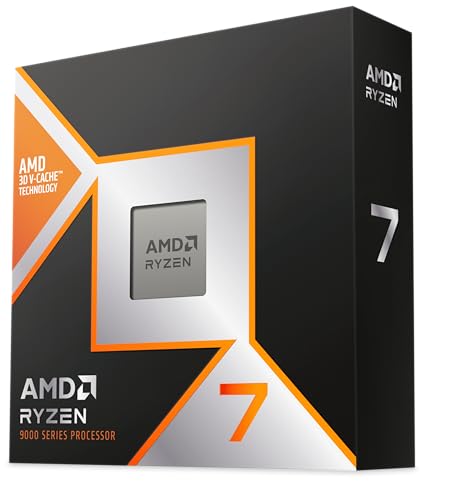


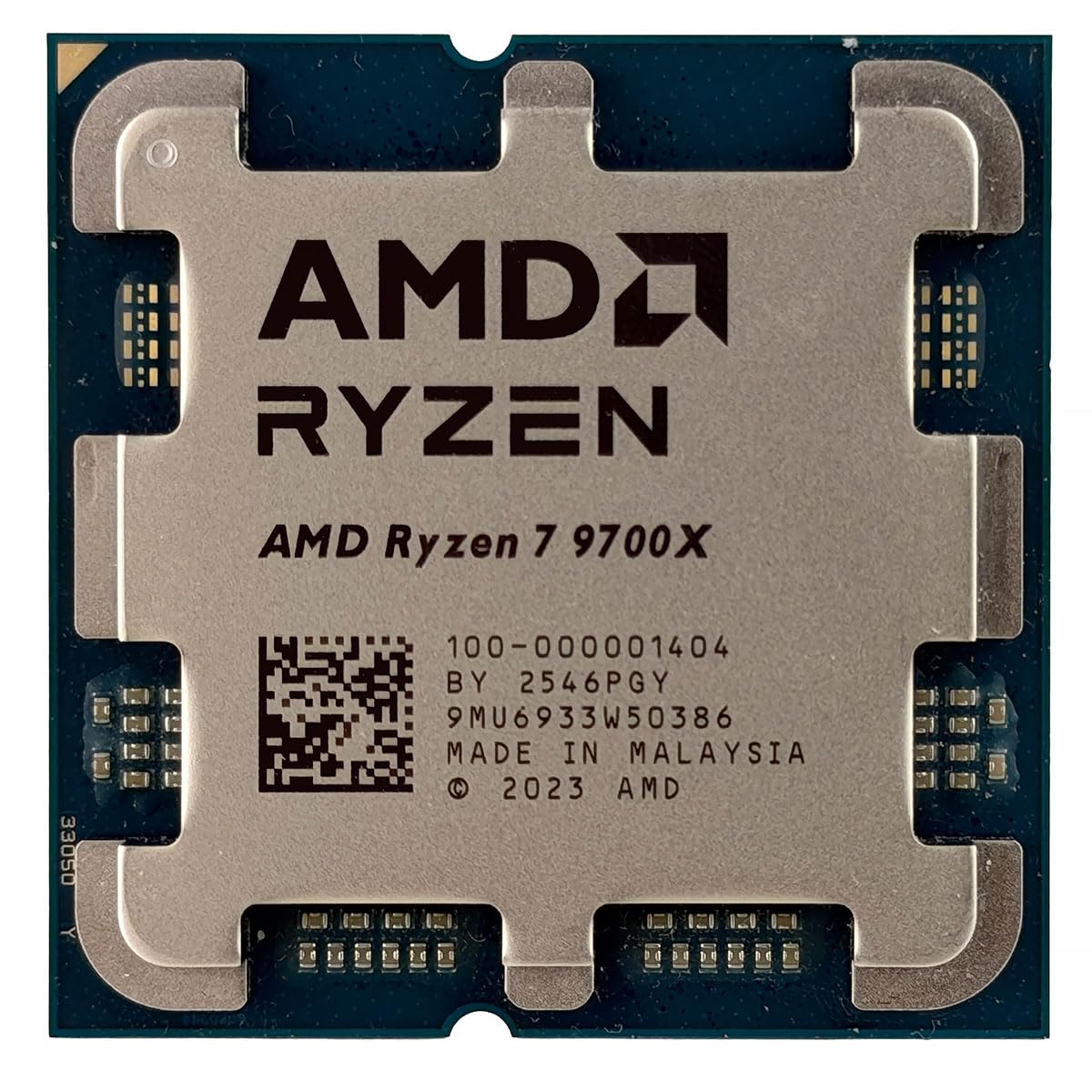
Key Differences at a Glance
On paper the two chips look alike. The difference is the cache and how it is used: the 9800X3D stacks a large L3 cache on the chip, while the 9700X keeps a conventional layout and aims for higher clock speed.
| Feature | Ryzen 7 9800X3D | Ryzen 7 9700X |
|---|---|---|
| Cores and threads | 8 cores, 16 threads | 8 cores, 16 threads |
| Cache | 96 MB L3, 3D V-Cache | 40 MB |
| Max clock | Up to 5.2 GHz | Up to 5.5 GHz boost |
| Price band | Around $450 | Around $270 |
| Cooler in the box | Not included | Not included |
Amd Ryzen 7 9800x3d vs Amd Ryzen 7 9700x in Games
The cache gives the 9800X3D a clear lead in games that lean on the processor. Frame rates are higher, and the lows are smoother, particularly at 1080p and 1440p on a fast graphics card. The 9700X is no slouch, and at 4K the two often look identical.
The premium is easiest to justify on a high refresh monitor with a strong card. With a mid-range card you may not see the gap at all.
Productivity and Creative Work
Outside games the picture flips. The 9700X reaches a higher boost clock, and workloads like rendering, encoding and compiling do not use the big cache as games do. In many such tasks the cheaper chip matches the cache chip or beats it.
That makes the 9700X the better choice for a mixed machine that games part of the time and edits part of the time, since you do not pay for cache you cannot use in your work.
Price Difference and What It Buys
The gap at listing prices is roughly one hundred and eighty dollars. In a gaming build, that sum could move you up a graphics card tier, which often lifts frame rates by more than the cache does. If you already own a top card, the cache chip becomes the sensible way to use more of it.
- Choose the 9800X3D for maximum gaming speed on a strong card.
- Choose the 9700X for a balanced gaming and work machine.
- Choose the 9700X if you want to spend the savings on storage or a better monitor.
Thermals, Power and Cooling
Both chips arrive without a cooler, so budget for one. The 9800X3D listing shows a 120 W figure on one seller page, and the cache design limits how far you can push it, while the 9700X runs cool and leaves some room for tuning. A tower cooler of decent quality is enough for either chip.
Platform and Upgrade Plans
Both fit the same AM5 boards, so swapping later costs only the processor. If you start with the 9700X and find games are your main use, you can move to a cache chip in a few years and sell the old one. That is cheaper than overbuying now, though prices of cache chips can rise when demand is high.
Game Types That Show the Gap
Simulation, strategy and open world games track thousands of objects, and they reward a large cache. Competitive shooters on a 240Hz monitor reward it too, because every frame counts. Slower paced adventure games and titles locked to 60 frames gain very little from it, and the 9700X handles them without effort.
Check the games you play most before you decide. A list of three or four titles, with the monitor refresh rate next to each, tells you quickly whether the extra cache will matter to you.
Tuning and Overclocking Differences
The 9700X is sold unlocked and leaves some room for manual tuning, though gains are small on modern chips. The cache chip is tuned tightly by AMD, and its design limits how far voltage and clocks can move. For most people the best tuning step on either chip is a memory profile and sensible fan curves, not manual overclocking.
Longer Term Value
Gaming focused chips tend to hold resale value well, because demand stays high. The 9700X is a more general chip with a broader audience of buyers, and it is likely to remain useful even if your priorities change. If you expect to change from gaming to creative work, or the other way, the balanced chip is the safer pick.
Whichever one you choose, check the seller and the return terms, and avoid offers that sit far above the maker's standard price.
Which One to Choose
Pick the 9800X3D if games come first and your graphics card is strong. Pick the 9700X if you value productivity, want to save money or play at 4K. A buyer who is undecided should take the 9700X and revisit the cache chip when the next upgrade comes.
Graphics Card Pairing Guide
Match the processor to the card you can afford. With a card in the mid-range class, the 9700X delivers nearly all of the available frame rate. With a card at the RX 9070 XT level or above, the cache chip starts to show its lead at 1080p and 1440p. At 4K the card dominates, and the cheaper chip is enough.
Next, compare the AMD Ryzen 7 9800X3D Review with the AMD Ryzen 7 9700X Review.
FAQs
Is the 9800X3D worth the extra cost over the 9700X?
For gaming on a fast graphics card, yes. For mixed use, the 9700X is better value.
Which is better for video editing?
The 9700X, thanks to its higher boost clock, though the difference is small.
Do they use the same motherboard?
Yes. Both use AM5 boards and DDR5 memory.
Do they include coolers?
No. Buy a cooler separately.
Final Thoughts
The choice in amd ryzen 7 9800x3d vs amd ryzen 7 9700x depends on how you use the PC. Choose the cache chip for top gaming and the 9700X for balanced work, then compare offers in the table.


