
AMD Ryzen 7 9800X3D vs AMD Ryzen 9 9950X3D for 2026: Eight Cores or Sixteen With Cache
Disclosure: We may earn a commission when you buy through links on this page, at no extra cost to you. As an Amazon Associate I earn from qualifying purchases. Learn more

AMD Ryzen 7 9800X3D vs AMD Ryzen 9 9950X3D: whether sixteen cores justify the price jump over the eight core cache chip, with specs, gaming and cooling.
AMD's two best known cache processors sit at opposite ends of a simple trade: eight cores for gaming value, or sixteen cores for anyone who wants top gaming and top creative speed in one package. This guide to amd ryzen 7 9800x3d vs amd ryzen 9 9950x3d helps you work out whether the extra cores justify a price gap of roughly one hundred and seventy-five dollars.
The table lists offers for both chips. The notes explain who benefits from each.


Specs and Price
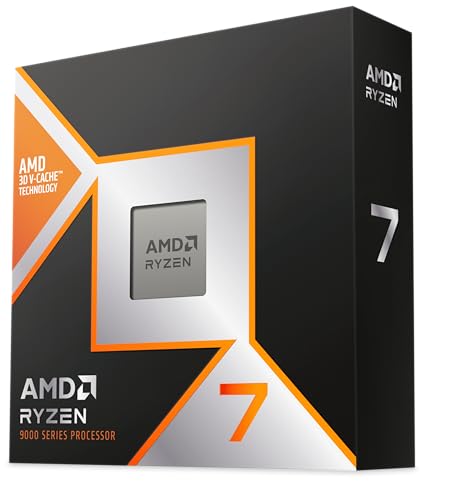
The 9950X3D listing shows a 16 core Zen 5 processor with a 4.3 GHz base clock, a boost up to 5.7 GHz and a boxed form factor. One seller page lists 16 cores, 32 threads and 128 MB of L3 cache. The 9800X3D is the eight core, sixteen thread chip with 96 MB of L3 cache and clocks up to 5.2 GHz. Both use Socket AM5.
| Feature | Ryzen 7 9800X3D | Ryzen 9 9950X3D |
|---|---|---|
| Cores and threads | 8 cores, 16 threads | 16 cores, 32 threads |
| L3 cache | 96 MB | 128 MB (seller listing) |
| Clock | Up to 5.2 GHz | Base 4.3 GHz, boost up to 5.7 GHz |
| Price band | Around $450 | Around $625 |
Amd Ryzen 7 9800x3d vs Amd Ryzen 9 9950x3d in Games
In games the two chips land close together. Both carry a very large cache, and most games use fewer than eight cores. The 9950X3D can hold a small lead in some titles thanks to its higher boost clock, and the 9800X3D leads in others because all of its cores share the cache.
Because the results are so close, the 9800X3D is the better gaming value. You pay far less for similar frame rates.
Where Sixteen Cores Matter
The 9950X3D earns its price in work that scales across many cores: 3D rendering, video encoding, simulation and software compilation. It combines that strength with high end gaming, so you do not need to choose between a gaming chip and a workstation chip. That is the reason it exists.
If you spend hours each week on such jobs, the time saved can justify the higher price quickly.
Thermals and Cooling
Sixteen cores produce more heat than eight, and the 9950X3D deserves a strong cooler. A 280 mm or 360 mm liquid cooler, or a large dual tower air cooler, is a sensible match. The 9800X3D stays cooler in games and needs less cooling hardware, which saves money and noise.
Platform Costs
Both chips fit AM5 boards, but the larger chip benefits from a board with strong power delivery. Plan on a quality X870 or high end B650 board for the 9950X3D, and 64GB of memory if you do heavy creative work. A good power supply with headroom matters more here than on the eight core chip.
- Cooler: a stronger one for the 9950X3D.
- Board: stronger power delivery suits the larger chip.
- Memory: 32GB for gaming, 64GB for heavy projects.
- Supply: leave headroom for peak loads.
How the Larger Chip Handles Games
The sixteen core design groups its cores in two clusters, and the extra cache serves the cluster that AMD intends for games. Windows and AMD's chipset driver decide which cores a game uses, so a clean installation with current drivers matters. After a fresh build, install the chipset driver first and confirm that the game detection setting in the BIOS or driver is on.
The eight core chip avoids the question because it has a single cluster. That simplicity is one reason many builders still prefer it for a dedicated gaming PC.
Noise and Case Size
A larger cooler means a larger case. A 360 mm radiator needs a case with a front or top mount, and a big dual tower cooler needs generous side clearance. A compact case suits the 9800X3D far better, since a mid-sized tower cooler is enough for its heat output.
Fan noise also differs. Under a long render load, sixteen cores keep the fans busy, while a gaming session on either chip stays quiet if the cooler is sized well.
Timing the Purchase
Prices on both chips move with demand. The 9800X3D tends to sell out and return at varied prices, and the 9950X3D shifts less. If an offer sits well above the maker's usual price, wait a week or watch the listing, because the gap often closes.
Upgrade timing matters too. If you already own a recent AM5 chip, the jump to either cache chip is mainly a gaming upgrade, and it makes sense only if your graphics card is strong enough to use it.
Which One to Choose
Choose the 9800X3D if you play games and do light creative work, since it gives the same gaming speed for less money. Choose the 9950X3D if you render, encode or compile for hours each week and also want top gaming. If you do not need both, the best value lies with the cheaper chip.
Reading the Listings Carefully
The 9950X3D appears as a maker boxed unit and as a seller offer with different wording, so compare the title, the price and the return terms. Skip the bundles that attach a motherboard at a premium, and confirm that the listing says new. A clean boxed unit with the maker warranty is worth a small premium over an unclear offer.
Check seller ratings and the shipping condition as well, since a processor is a delicate item. A crushed corner or a broken seal on the packaging can be a sign of rough handling.
Related reading: the AMD Ryzen 7 9800X3D Review, then the AMD Ryzen 7 9700X Review.
FAQs
Is the 9950X3D faster in games than the 9800X3D?
Only slightly in some games, and sometimes slower. The cheaper chip is the better gaming value.
Who should buy the 9950X3D?
People who combine heavy creative work with high end gaming on one PC.
Do both need the same cooler?
No. The 16 core chip benefits from a stronger cooler.
Do they use the same socket?
Yes. Both use Socket AM5.
Final Thoughts
For amd ryzen 7 9800x3d vs amd ryzen 9 9950x3d, the rule is plain: take the eight core chip for gaming value and the sixteen core chip for work plus play. Compare offers in the table before you order.


