
AMD vs Intel For Gaming for 2026: Frame Rates, Cache and Value
Disclosure: We may earn a commission when you buy through links on this page, at no extra cost to you. As an Amazon Associate I earn from qualifying purchases. Learn more

AMD vs Intel For Gaming: where AMD cache chips lead, where Intel competes on value, and how resolution and graphics card change the answer.
For a pure gaming PC the AMD versus Intel question has a more specific answer than it does for general use, and the answer depends on your resolution, your graphics card and the games you play most. This guide to amd vs intel for gaming explains where each brand wins, where they tie and how to avoid spending on performance you will never see.
The product table lists gaming processors from both makers across several price levels. The sections below show how to read them.



The Short Answer
AMD's 3D V-Cache processors give the highest frame rates in processor-heavy games, particularly at 1080p and 1440p with a fast graphics card. Intel's chips are close behind in many games and cost less in some price bands. At 4K, or with a mid-range graphics card, the two brands deliver nearly the same experience.
| Situation | Better fit |
|---|---|
| Highest frame rates at 1080p or 1440p with a top graphics card | AMD cache chip |
| Mid-range graphics card at 1440p | Either brand, choose on price |
| 4K gaming | Either brand, spend more on the card |
| Gaming plus heavy multitasking on a budget | Intel mid-range chip |
| Quiet, cool, compact build | AMD |
Amd vs Intel for Gaming: Why Cache Matters
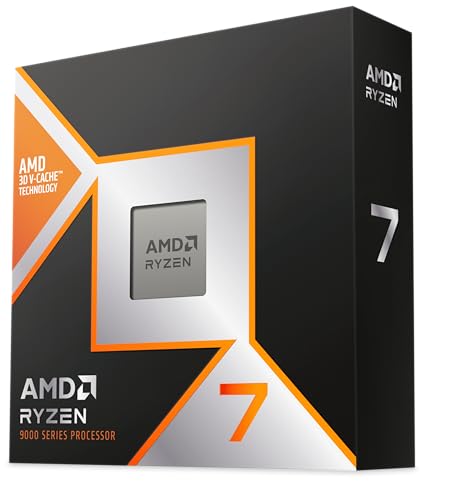
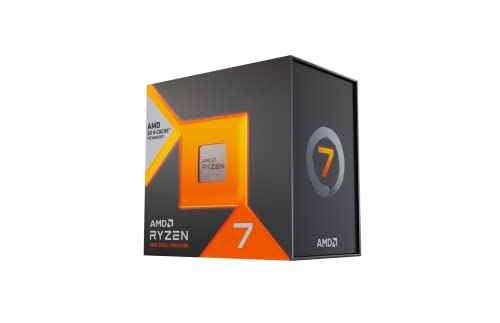
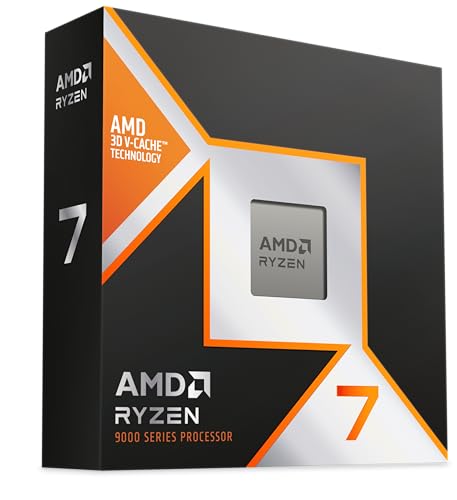
AMD's Ryzen 7 9800X3D lists 96 MB of L3 cache and the maker calls it the fastest gaming processor, and the 7800X3D uses a similar approach with 96 MB of L3. A big cache keeps game data near the cores, which lifts frame rates in simulators, strategy games and shooters. Intel does not sell a cache based line, and relies on clock speed and its hybrid core layout.
That gap shows up when the processor is the limit. When the graphics card is the limit, it disappears.
Where Intel Competes Well
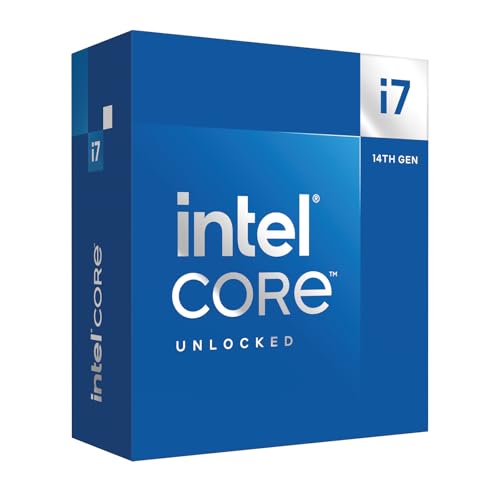
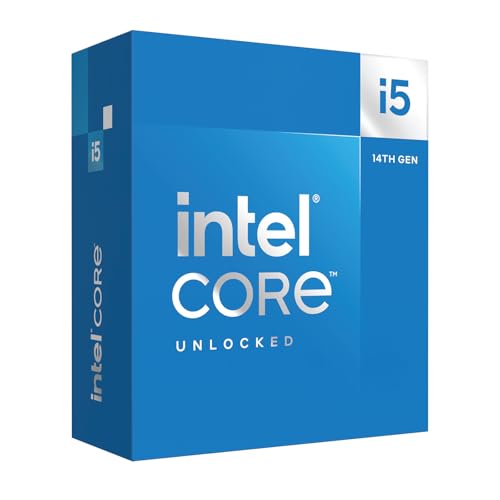
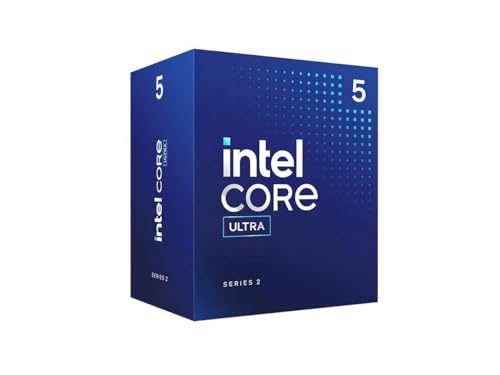
Intel's Core i5-14600K and Core i7-14700K list 14 and 20 cores, up to 5.3 and 5.6 GHz, and DDR4 or DDR5 support. They play modern games very well and deliver strong multitasking for streaming and recording. The newer Core Ultra chips use a different platform that needs an 800 series board.
- Core i5-14600K: strong value for a mixed gaming and streaming PC.
- Core i7-14700K: more cores for streaming and editing.
- Core Ultra chips: newer platform with DDR5 only.
- F suffix chips: lower price, no integrated graphics.
Resolution and Graphics Card Pairing
The higher your resolution, the less the processor matters. At 4K, a Ryzen 5 and a Core i9 would show almost the same frame rate with the same card. At 1080p with a fast card, the differences are clearer. Match the processor to the card: a mid-range card needs a mid-range chip, and only the top cards justify a top processor.
Power, Heat and Noise
AMD's gaming chips run efficiently, which keeps fans quiet and makes compact builds easy. Intel's unlocked chips can draw more power, so they need a better cooler and a larger supply. If your case is small or you value silence, AMD has the edge. If you have space and a good cooler, Intel's extra heat is manageable.
Platform Costs and Upgrades
AMD's AM5 platform has a longer track record of staying current, which helps if you plan to upgrade later. Intel's 14th generation boards allow DDR4 reuse, which can save money today but leaves a shorter upgrade path. Compare the full cost of board and memory for each choice.
Game Types and Their Demands
Competitive shooters at 240Hz or faster ask the most from a processor, and cache chips shine there. Open world and strategy games track many objects at once and also reward big caches. Slower single player adventures run on almost any modern chip. List your five most played games and note which type each one is, and you will see how much processor you really need.
Streaming and recording add background load. A chip with extra cores, such as the Intel parts with efficiency cores, keeps the game smooth while the encoder works, though a modern graphics card handles most encoding itself.
Budget Builds Versus High End Builds
On a budget, the six core AMD chips and the Intel 14600K class give excellent gaming for moderate money, and the saved funds belong in the graphics card. On a high end build, the cache chips earn their price because they let a top graphics card run at its limit. Paying for a flagship processor with a mid-range card wastes money.
Checking Before You Buy
Confirm the socket, the memory type and whether a cooler is in the box. Check that your case fits the cooler and that your power supply has headroom. Read the listing for the exact model name, since similar names such as a K suffix, an F suffix or an X3D mark change price and features.
Which Brand Should You Pick
Pick AMD if you want the fastest gaming chip, a quiet system or a long upgrade path. Pick Intel if you want a strong mid-range value, need DDR4 reuse or multitask heavily while gaming. For most players with a mid-range card, either brand serves well, and the best value is whichever chip is on sale with a fair board price.
Future Proofing Honestly
No processor stays on top for long, so think in terms of useful years rather than the highest chart position. A mid-range chip on a good platform usually serves for four or five years of gaming, and a cache flagship may serve a year or two longer at high frame rates. If you upgrade the graphics card every few years, the processor is rarely the part that forces your hand.
See also the best gaming PC guide.
FAQs
Is AMD better than Intel for gaming?
At the top end, yes, thanks to its cache chips. In the mid-range the two are close.
Does the processor matter at 4K?
Much less than the graphics card, so spend more on the card.
Which brand is better for streaming?
Both work. Intel's higher core counts help in the mid-range, and AMD's efficient chips keep systems quiet.
Do I need a new board to switch?
Yes. The brands use different sockets.
Final Thoughts
For amd vs intel for gaming, put money into the graphics card first, then choose AMD for the top frame rates or Intel for mid-range value. Compare chips in the table and check cooler and board costs before you order.

