
Best 12 Inch Powered PA Speakers: Portable PA Speakers for Small Venues and Events for 2026
Disclosure: We may earn a commission when you buy through links on this page, at no extra cost to you. As an Amazon Associate I earn from qualifying purchases. Learn more

Running sound for a small venue? Find the best 12 inch powered PA speakers by coverage, clarity, inputs and how they pair with subwoofers.
A powered PA speaker is the heart of a small sound system: it takes a signal from a mixer or a microphone, amplifies it and fills a room. Twelve inches is a common size for bars, schools, churches, clubs and mobile events. This guide to the best 12 inch powered PA speakers explains how to size a system, what to look for and how to set it up.
The table above lists powered models from pro audio brands and value makers. The notes below explain how to pick the right one for the venue.

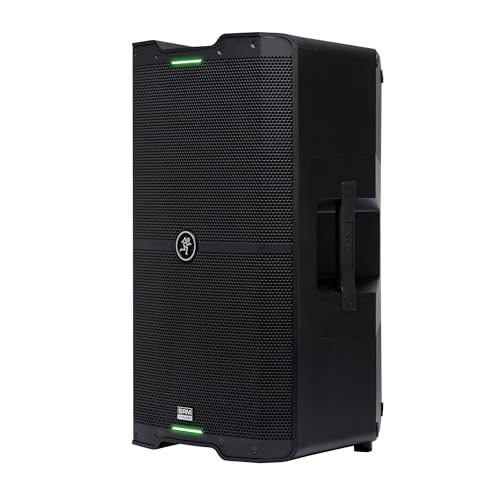

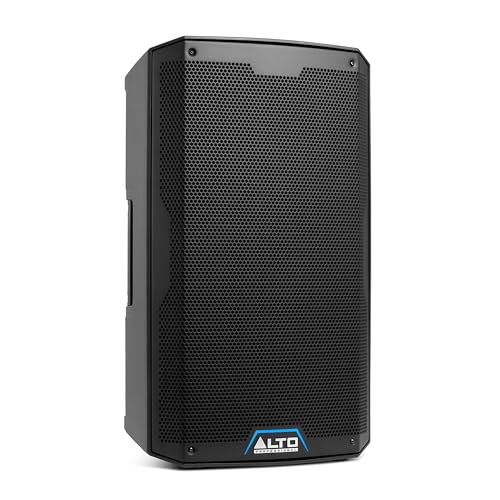
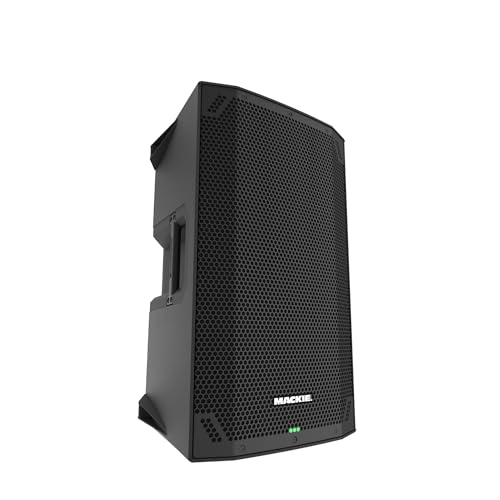

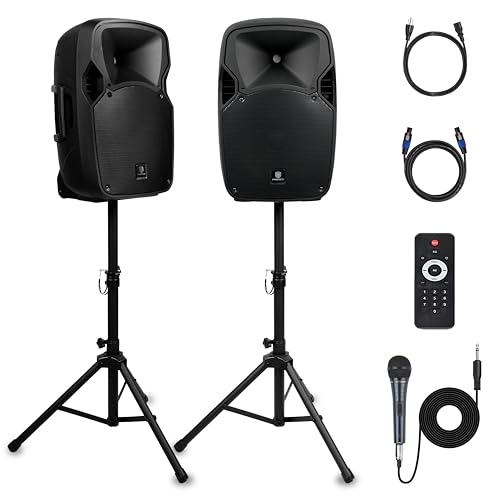


What a PA System Does
A public address system sends your voice or music to a room with enough clarity and level for everyone to hear. A good one covers the audience evenly and avoids feedback. The speakers are only part of the system: microphones, mixer, cables and stands matter as much.
Sizing a System by Venue
- Cafe, small bar or classroom: one or two 12-inch powered speakers cover speech and acoustic music.
- Small club or hall with a band: a pair of 12-inch speakers, plus a subwoofer for kick drum and bass.
- Outdoor party or school event: a pair of 12-inch speakers on stands, with extra power if the crowd is large.
- Church or meeting room: clear midrange for speech and a mixer with enough inputs.
If you need more reach or more bass, step up to a larger cabinet or add a subwoofer, which keeps the 12-inch speakers cleaner by letting them handle only mids and highs.
How to Choose the Best 12 Inch Powered PA Speakers
Coverage Pattern
Speakers spread sound over a certain angle. A wide pattern covers more of the room and suits small venues, while a narrower pattern throws farther and avoids walls. Look for the stated coverage angles and compare them with your room shape.
Speech Clarity
For talking, the midrange and upper range must be clear. Models with a compression driver on a horn tend to sound more focused than simple cone-and-tweeter designs. Presets for speech help beginners.
Inputs and Mixing
Check for balanced microphone and line inputs, a gain control for each and an output to link another speaker. A small built-in mixer can handle a couple of microphones and a music source.
Limiters and Protection
A limiter protects the drivers from distortion and damage when the volume is pushed. Fans or vents need airflow, so make sure you can place the speaker without blocking them.
Pole Mount and Rigging
A pole socket lets you raise the speaker on a stand, which improves coverage. For permanent installations, check for threaded points to hang the cabinet.
Portability
Compare weights and handles. If you load and unload alone, a lighter cabinet makes life easier. Some models offer padded covers and wheels for transport.
Pairing With a Subwoofer
A 12-inch speaker delivers reasonable low-end, but it cannot play very deep notes loudly. A powered subwoofer takes the lowest frequencies and lets the main speakers work more cleanly. For dance music or a drummer, a subwoofer makes a large difference. Check that the speaker has a crossover or a subwoofer-friendly output.
Cables, Stands and Accessories
- Balanced XLR cables for microphones and for long runs.
- Speaker stands with a locking pole mount for height and stability.
- A power strip with surge protection.
- Padded covers to protect the cabinets.
- A cable tidy to keep walkways safe.
Setup Steps
Place the speakers in front of the microphones and at least head height, angled slightly down toward the audience. Connect the mixer outputs to the speaker inputs with balanced cables. Set the speaker gain to a middle point, then bring up the mixer slowly while talking into the microphone. When you hear feedback, back off the level or move the microphone, not the speaker.
For band use, put the drums and the guitar amplifiers at stage volume that the PA can match, and use the speakers for vocals and the balance between instruments.
Talking Versus Music: Two Different Jobs
Speech needs clarity more than loudness. Cut low frequencies below the speaker's natural range with the high-pass filter on the mixer, and keep the midrange clear, since that is where consonants live. Music needs a fuller range and more headroom, so give the speakers room to breathe by leaving the master level below the point where the limiter lights.
If you run both, set up two different channel strips or presets so you can move from a speaker at a lectern to a band without rebuilding the system each time.
Quick Room Walk Before Every Event
Before the audience arrives, play a familiar recording and walk the room. Listen at the front, the middle and the back. If the back is too quiet, raise the speaker or angle it up a little.
If a corner booms, move the speaker away from the wall. If the sound is harsh, reduce the high frequencies a little. A five-minute walk saves most of the problems that appear later.
Maintenance and Safety
Keep cables in good order and check connectors. Tie down stands and avoid placing them where people can trip. Keep vents clear.
Protect speakers from rain and spilled drinks. Store cabinets upright and use covers in transit.
12 Inch Powered PA Speakers: Your Questions Answered
How many speakers do I need?
Use one for a small speech room and two for music or wider coverage. Add a subwoofer for dance music and live bands.
What is the difference between powered and passive PA speakers?
A powered speaker contains its amplifier, while a passive speaker needs an external amplifier. Powered speakers are simpler for small setups.
Do I need a mixer?
If you have more than one input, yes. Some powered speakers include a small mixer for basic use.
What causes feedback?
A microphone picking up the speaker sound and amplifying it again. Place speakers in front of the microphones and avoid pointing microphones at the speakers.
Final Thoughts
A small PA is a system, and the speaker is the biggest piece. The best 12 inch powered PA speakers give clear speech, even coverage and enough output for your venue, with controls that are easy to use under pressure. Compare the models in the table above and plan the cables and stands you will need.


