
Best 10 Inch Powered Speakers: Inputs, Power and Placement (2026)
Disclosure: We may earn a commission when you buy through links on this page, at no extra cost to you. As an Amazon Associate I earn from qualifying purchases. Learn more

Singers, small bands and party hosts: how to compare the best 10 inch powered speakers by inputs, continuous power, weight and real use before you buy.
A powered cabinet with a 10 inch woofer is the sweet spot for small bands, solo performers, classrooms, karaoke nights and backyard parties. The best 10 inch powered speakers put the amplifier inside the box, so you plug in a microphone, a phone or a mixer and start playing without hunting for a separate amp.
This guide explains what the built-in amplifier changes, how to read watt ratings, which inputs matter and where 10 inch models fall short. Use the product table to line up a shortlist, then work through the checks below.
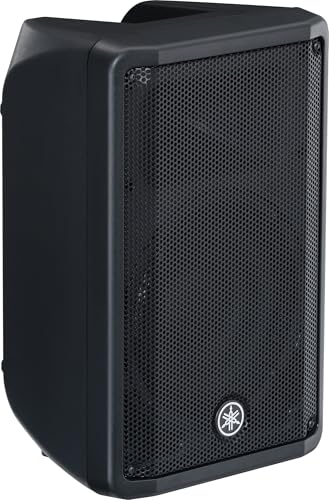


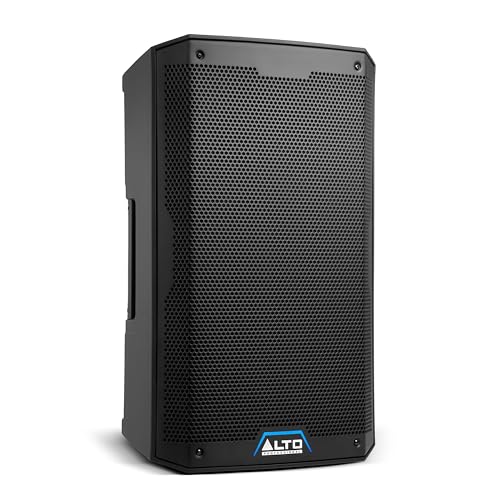


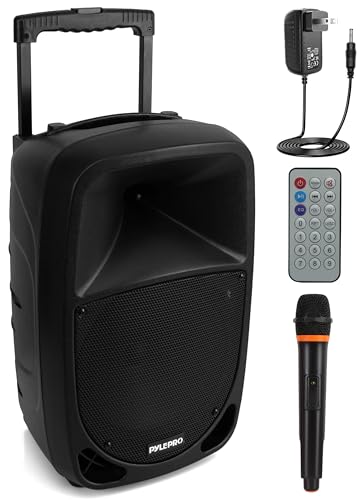

What "Powered" Means and Why It Helps
A passive speaker needs an external amplifier matched to its impedance and power handling. A powered (active) speaker has the amp, the crossover and usually a small mixer built in, and the maker has already matched them to the drivers. That is why a powered cabinet is easier to set up and harder to damage by accident.
The trade-off is weight and a power cord. Every powered speaker needs a wall outlet or a battery, so check whether the model you like runs on mains only or also has a rechargeable pack for outdoor use.
What a 10 Inch Woofer Does Well
A 10 inch driver reacts quickly, which suits vocals, acoustic guitar, keyboards and spoken word. It stays lighter and easier to carry than 12 or 15 inch cabinets, and it fits in a car trunk with room left over.
It will not move as much air at the bottom of the range. For dance music or a full drum kit, plan to add a subwoofer later, or step up a size if low bass is the main job. For a guitar duo, a lecture hall of modest size or a living room party, 10 inches is usually plenty.
Reading Watt Ratings Honestly
Listings often headline a peak figure that the speaker can only hit for a split second. The number that tells you more is continuous (RMS) power, which many makers print in smaller type. Two speakers with the same peak claim can sound very different at a party if one has a much lower continuous rating.
Treat watts as a rough size guide, not a loudness score. Driver quality, cabinet design and how clean the amp is at high volume decide whether the sound stays clear when you turn it up.
Inputs and Mixer Features
Before you buy, list what you plan to plug in. A microphone needs an XLR or combo jack, a guitar needs a high-impedance input, and a phone or laptop needs a line or Bluetooth input. A built-in two-channel mixer lets you run a microphone and music together, each with its own level knob.
- Combo XLR and 1/4 inch jacks accept most microphones and instruments.
- A line output lets you chain a second speaker or a subwoofer.
- Bluetooth is handy for backing tracks, but a cable is steadier on a crowded stage.
- USB or card playback helps when you want music without a phone.
- Monitor mode, where offered, tilts the sound for use on the floor as a stage wedge.
Build, Weight and Mounting
Look for a pole socket if you plan to use a speaker stand, and for handles that sit near the balance point. Plastic cabinets are lighter and resist knocks, while wood cabinets add weight but can sound a little fuller. A metal grille protects the woofer from bumps during travel.
Some models are shaped to double as a floor wedge. That is useful when you play in small venues and need to hear yourself, but a wedge usually sits at a fixed angle, so read the listing photos before you decide.
Choosing Among the Best 10 Inch Powered Speakers by Use
Match the speaker to the job rather than to the biggest number on the box. A karaoke setup cares about microphone inputs and echo controls. A singer-songwriter cares about clean vocal reproduction and an instrument input. A DJ cares about low-end punch and a line output for a sub. Typical prices run from about $100 for basic party models to $400 or more for stage-oriented cabinets, and the extra money usually buys tougher cabinets and more reliable amps.
If you often move the speaker, weigh the case and the handle as carefully as the sound. A cabinet you dread lifting ends up staying home.
Common Mistakes to Avoid
The first mistake is buying on the peak figure alone. The second is forgetting the connections: a speaker with only a single microphone jack and no line input will frustrate anyone who wants to play music and sing together. The third is ignoring the room. A small space needs less power than people expect, and a speaker pushed hard in a small room sounds harsh long before it sounds loud.
Also check the cord length and the plug position, since a short cord on a stage means an extension lead and one more thing to trip over. If you plan to link cabinets for a wider coverage area, count the cable runs before you count the speakers. For a wider size comparison, read our guide to best 10 inch speakers, or step up with best 15 inch powered speakers when you need more low end.
Setup Tips for Cleaner Sound
- Raise the speaker on a stand so the tweeter points at ear height, not at the floor.
- Keep microphones behind the front of the cabinet to avoid feedback squeal.
- Set input gain first, then use the master volume for loudness.
- Use balanced cables for long runs to cut hum.
- Let the speaker warm up and avoid leaving it in a hot car.
Frequently Asked Questions
Do I need a subwoofer with a 10 inch powered speaker?
Not for talks, acoustic sets or background music. For bass-heavy music at a party, a subwoofer fills the low end and lets the small cabinet focus on mids and highs.
Can I use one for karaoke?
Yes, if it has a microphone input and a level control. A model with a built-in mixer is easier, since you can set the voice and the backing track separately.
Is a powered speaker louder than a passive one?
Not by default. Loudness depends on the amp, the driver and the cabinet, so compare continuous power and buyer feedback rather than the label type.
Can I link two speakers together?
Many powered cabinets have a line or link output that feeds a second speaker. Check that the listing mentions it before you count on a stereo pair.
Final Thoughts
Decide the main job first, then check inputs, continuous power and weight in that order. When the best 10 inch powered speakers match how you play, the setup takes minutes and the sound stays clear. Prices and availability can change, so check the product page before ordering.


