
Best Bookshelf Speakers: Matching the Right Model to Your Routine
Disclosure: We may earn a commission when you buy through links on this page, at no extra cost to you. As an Amazon Associate I earn from qualifying purchases. Learn more

Bookshelf speakers matched to gamers, small apartments, remote workers and students, with features to compare and mistakes to avoid.
There is no single bookshelf speaker that suits everyone. A gamer at a crowded desk, a student in a dorm, a remote worker on video calls and a vinyl collector in a living room all need different things, from built in amplifiers to Bluetooth to bigger woofers. This guide to the best bookshelf speakers starts with your routine and works backward to the type of speaker that fits it, so you spend money on features you will actually use.
The short answer: most desk and dorm users should buy a powered bookshelf pair with built in amplification and Bluetooth or optical input, around $100 to $200; music lovers with a living room setup should pair passive bookshelf speakers with a separate amplifier, and creators who edit audio should pick a powered pair with a neutral, studio style tuning.
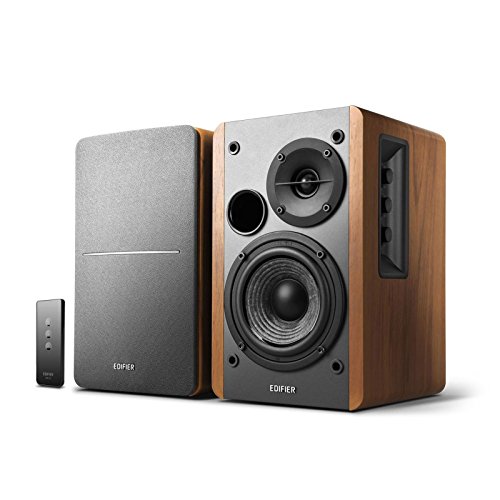

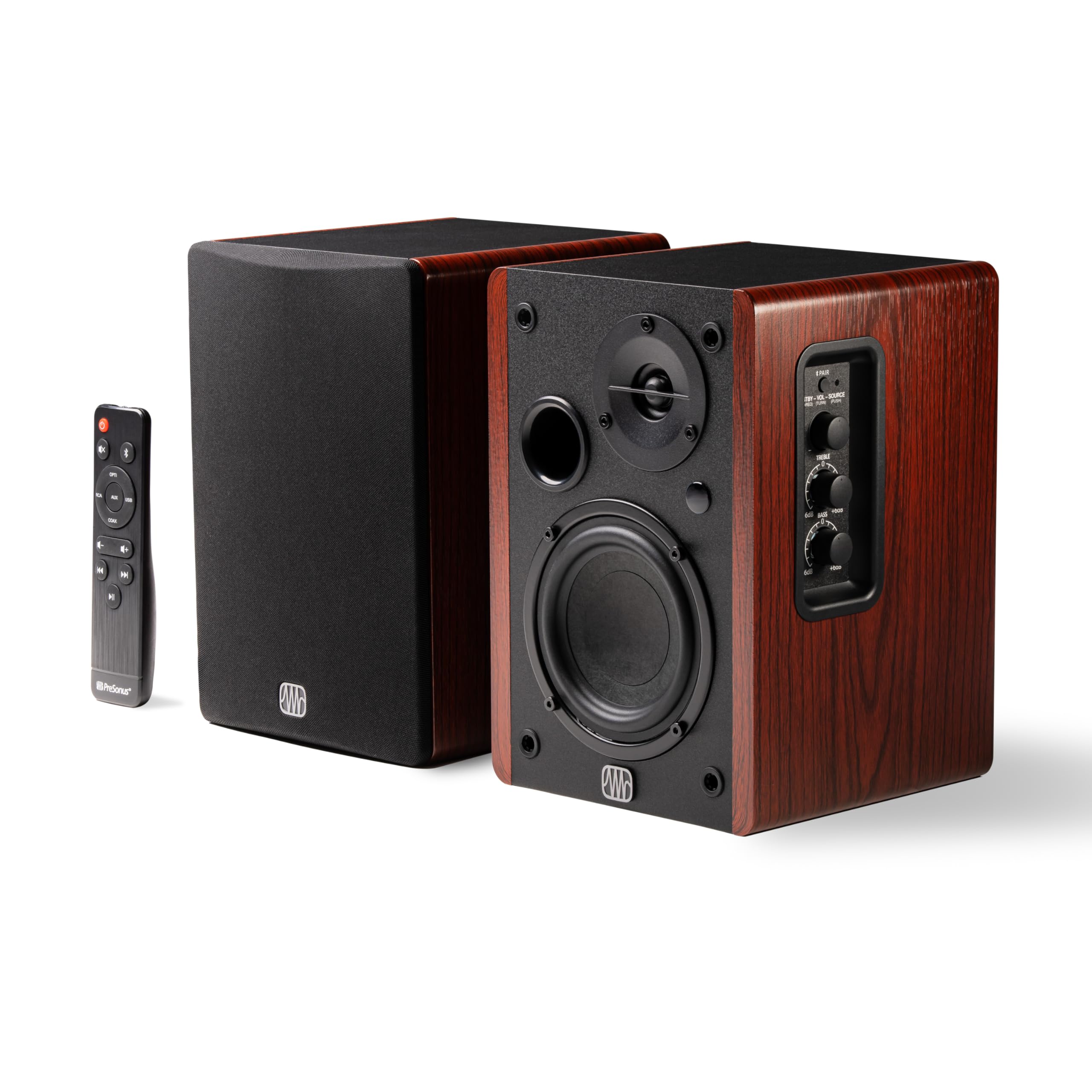


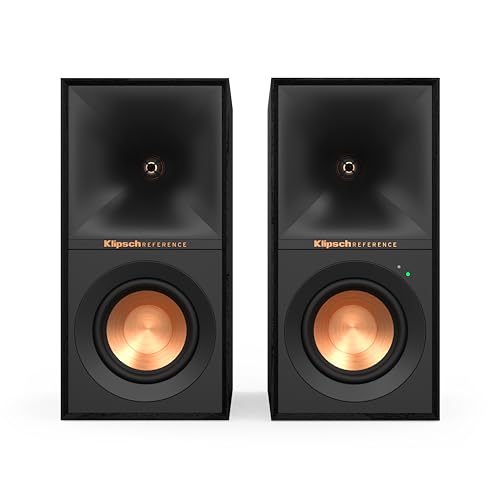


Top 3 Picks at a Glance
These three pairs cover the most common routines: everyday desk listening, serious music playback and creative work.


Who Should Buy Which Bookshelf Speakers?
Bookshelf speakers come in two broad families. Powered or active speakers have amplifiers built in, so you plug them into power and a source and you are done. Passive speakers need a separate amplifier or receiver but reward you with more flexibility and often better sound per dollar at higher budgets. Your routine decides which family fits.
For Gamers and Power Users
Gamers want low latency, punchy sound and an easy connection to a PC or console. A powered desktop pair with a wired input, either optical, USB or 3.5 mm, avoids the slight delay Bluetooth can add during fast games. Compact cabinets with 4 inch woofers fit beside a monitor, while a bass control or subwoofer output adds impact to explosions and soundtracks. Placing speakers at ear height, angled toward your head, creates a convincing stereo image that helps you hear where footsteps and gunfire come from.
For Small Apartments and Shared Spaces
Renters and people living with roommates need speakers that sound full at modest volume without shaking the walls. Smaller powered pairs with front facing bass ports work well close to walls, and Bluetooth lets you stream from a phone without cables across the room. Look for models with tone controls so you can reduce bass at night, and consider foam pads or stands to decouple the cabinets from shelves and limit vibration traveling through floors.
For Remote Workers and Creators
Remote workers and creators value clarity and reliability more than heavy bass. Voices on calls should sound natural, and anyone editing podcasts, music or video needs accurate, neutral tuning so mixes translate to other systems. Studio style powered monitors with balanced inputs, front volume controls and headphone outputs suit this routine. Multiple inputs help too, letting you connect a computer and an audio interface at the same time without swapping cables.
For Students and Everyday Users
Students and casual listeners want good sound for the money, simple setup and flexibility. A powered pair around $80 to $180 with Bluetooth and a remote control covers streaming music, watching shows on a laptop and the occasional party. Durable vinyl or wood wrapped cabinets survive moves between dorms and apartments, and dual inputs let you keep a turntable or TV connected alongside your phone.
For Music Lovers and Living Room Listening
If music is the focus, passive bookshelf speakers paired with a stereo amplifier or AV receiver offer the best sound per dollar and room to upgrade later. Larger 5 to 6.5 inch woofers deliver deeper bass, and horn or dome tweeters bring out detail in vocals and cymbals. Place them on stands away from walls for the most open soundstage.
Key Features to Compare
Once you know your routine, compare models on the features below. Each one connects directly to how the speakers will perform in your space.
Room Placement and Isolation
Where speakers sit changes how they sound as much as the speakers themselves. Rear ported designs need several inches of space from the wall to avoid boomy bass, while front ported and sealed cabinets tolerate tight shelves better. Isolation pads or stands stop vibrations from turning your desk or bookshelf into an unwanted resonator. For the best stereo image, form a triangle between the two speakers and your listening position, with tweeters at ear height.
Power and Amplification
Powered speakers list output in watts RMS; around 40 to 70 watts total is plenty for a desk or bedroom, while 100 watts or more suits larger rooms. With passive speakers, check sensitivity in decibels and recommended amplifier power. Highly sensitive designs, like many horn loaded speakers, play loud with modest amplifiers, which keeps the total system cost down.
Durability and Build Quality
Bookshelf speakers live indoors, so water resistance rarely matters, but cabinet construction does. MDF or wood cabinets resist resonance better than thin plastic, producing tighter bass and less distortion. Removable grilles protect drivers from pets and children. Solid binding posts and sturdy controls indicate a speaker built to last for years rather than a single season.
Sound Quality and Tuning
Woofer size largely sets bass depth: 4 inch drivers suit desks, while 5.25 to 6.5 inch drivers fill living rooms. Frequency response tells you how low the speaker reaches, though room placement affects real results. Some speakers use a warm, bass forward tuning for movies and pop music, while studio monitors aim for a flat, neutral response. Tone controls let you adjust either style to taste.
Connectivity (Bluetooth Version, Codecs, Wired)
Wired inputs such as RCA, optical, USB and balanced XLR or TRS deliver the most reliable, lowest latency sound. Bluetooth adds convenience; newer versions improve range and stability, and codecs like aptX and aptX HD offer better quality from compatible Android devices, while iPhones use AAC. Optical inputs are useful for connecting a TV, and a subwoofer output lets you add bass later.
Common Mistakes to Avoid When Buying Bookshelf Speakers
- Choosing on price alone. A cheap pair without proper amplification or cabinets can sound thin, while a little more money often buys a big jump in clarity.
- Forgetting about amplification. Passive speakers need an amplifier or receiver, which adds cost and space; powered speakers do not.
- Buying the wrong size for the room. Large passive speakers overwhelm a small desk, while tiny desktop speakers struggle to fill a living room.
- Ignoring placement. Pushing rear ported speakers into a tight shelf creates boomy, muddy bass.
- Skipping the warranty check. Built in amplifiers are the part most likely to fail, so confirm warranty coverage before buying powered speakers.
Care and Maintenance Tips
Bookshelf speakers last a long time with simple care. Keep firmware updated on Bluetooth and WiFi models, since updates often improve connection stability and add features. Leave grilles on when the speakers are not in use, or store them in their original boxes when moving, to protect delicate tweeters and woofer cones.
Dust cabinets with a soft microfiber cloth and avoid spraying cleaners directly onto drivers. Keep speakers away from direct sunlight and heaters, which can dry out surrounds and fade finishes. Turn down the volume before powering on or switching sources to avoid loud pops that stress drivers, and check speaker wire connections on passive pairs every few months.
Setting Up Your Speakers for the Best Sound
A few minutes of setup makes even affordable speakers sound noticeably better. Start by placing the speakers at equal distance from your listening spot, ideally forming an equilateral triangle. On a desk, angle them slightly inward so the tweeters point toward your ears. Raise them with stands or isolation pads if they sit below ear level, since high frequencies are directional.
Keep rear ported speakers 6 to 12 inches away from walls to avoid excess bass, and avoid placing them deep inside bookcase cubbies. Adjust bass and treble controls after placement, not before, because the room changes how bass sounds. If bass still seems thin, move the speakers slightly closer to the wall; if it sounds boomy, move them away or add foam port plugs if included.
For passive speakers, use speaker wire of adequate gauge and double check polarity, red to red and black to black, on both channels. Reversed polarity on one speaker makes the sound thin and vague.
Do You Need a Subwoofer?
Most bookshelf speakers deliver satisfying bass for music and everyday listening, especially models with 5 inch or larger woofers. A subwoofer becomes worthwhile if you watch a lot of action movies, play bass heavy games or listen to electronic and hip hop music at higher volumes. It takes the deepest frequencies off the bookshelf speakers, letting them play cleaner and louder.
If you might add a subwoofer later, choose powered speakers with a subwoofer output, or a receiver or amplifier with a sub preout for passive speakers. Placing the subwoofer near a corner often increases bass output, but experiment with positions to avoid boomy spots.
How Much to Spend on Bookshelf Speakers
Budget is easier to set once you know your routine. Around $60 to $120 buys an entry level powered pair with 4 inch woofers, a remote or side panel controls and usually Bluetooth, which suits dorms, bedrooms and small desks. This is where most students and casual listeners will find the best bookshelf speakers for their needs, because the built in amplifier removes the need for extra gear.
Spending around $150 to $250 brings larger cabinets, more power, optical and USB inputs, subwoofer outputs and studio style tuning. Gamers, remote workers and creators usually get the biggest improvement in this range, since clarity and stereo imaging take a clear step up.
From around $350 to $900, passive speakers such as horn loaded designs and audiophile monitors become the stars, though you need to budget another $150 to $500 for an amplifier or receiver. Beyond that, you enter high end territory where improvements are real but smaller per dollar, and room acoustics start to matter as much as the speakers.
Whatever your budget, leave room for stands or isolation pads and decent cables. These inexpensive extras often improve sound more than spending the same money on a pricier pair.
Bookshelf Speakers: Your Questions Answered
Are powered or passive bookshelf speakers better?
Powered speakers are better for simplicity, while passive speakers are better for flexibility and upgrades. Powered pairs include matched amplifiers, so they suit desks, dorms and anyone who wants one box setup. Passive speakers need a separate amplifier, but let you upgrade components over time and often deliver more sound for the money at higher budgets.
Wired or wireless: which sounds better?
Wired connections sound slightly better and have lower latency than Bluetooth. Optical, USB and analog connections deliver full quality audio without compression or delay, which matters for gaming and editing. Bluetooth has improved a lot and is fine for casual music streaming, but serious listeners and creators should use wired inputs whenever possible.
Do I need a special codec?
You only need a special codec if you stream Bluetooth audio from a compatible device and care about the best wireless quality. aptX and aptX HD improve sound from many Android phones and computers, while iPhones use AAC. If you mainly connect by cable, codecs do not matter at all.
How far from the wall should bookshelf speakers be?
Place rear ported bookshelf speakers around 6 to 12 inches from the wall. This prevents bass from becoming boomy and muddy. Front ported and sealed speakers can sit closer to walls or inside shelves. Experiment with small adjustments, since every room responds differently.
How long do bookshelf speakers last?
Passive bookshelf speakers can last decades, while powered speakers typically last around five to ten years. Drivers and cabinets rarely fail with normal use. The built in amplifier is usually the weak point on powered models, so warranty coverage and reputable brands matter more for active speakers.
Wrapping Up
The right bookshelf speakers depend on how you listen. Gamers and remote workers benefit from compact powered pairs with wired inputs and low latency, students get great value from Bluetooth powered sets, creators should choose neutral studio monitors, and music lovers will hear the biggest rewards from passive speakers with a quality amplifier.
Prioritize the right speaker family for your routine, size woofers to your room and plan placement before you buy. Then compare the best bookshelf speakers in the product table above to find the pair that fits your space and budget.


