
Best Drone with Cameras: Types Compared and How to Choose
Disclosure: We may earn a commission when you buy through links on this page, at no extra cost to you. As an Amazon Associate I earn from qualifying purchases. Learn more

Camera drone types compared, from sub 250 gram minis to dual camera models, with three picks and rules.
A camera drone lets you capture views that were once possible only from helicopters: sweeping coastlines, mountain trails, family gatherings, real estate and your own neighborhood from above. Modern drones are easier to fly than ever, with GPS, automatic return to home and stabilized 4K cameras, and some weigh so little they fly under the threshold for FAA registration. Choosing one still means comparing sensor sizes, gimbals, flight times, transmission range and safety features. This guide compares every type so you can choose the best drone with cameras for your skills, budget and the shots you want.
The short answer: most beginners should choose a sub 250 gram mini drone with a 3 axis gimbal and 4K camera, which is easy to fly, travel friendly and avoids registration for recreational flying; budget buyers can start with a GPS drone that uses electronic stabilization, and serious creators should step up to a mid size dual camera drone with larger sensors and obstacle sensing.



Our Top 3 Picks at a Glance
For a quick starting point, these three drones cover the main budgets.
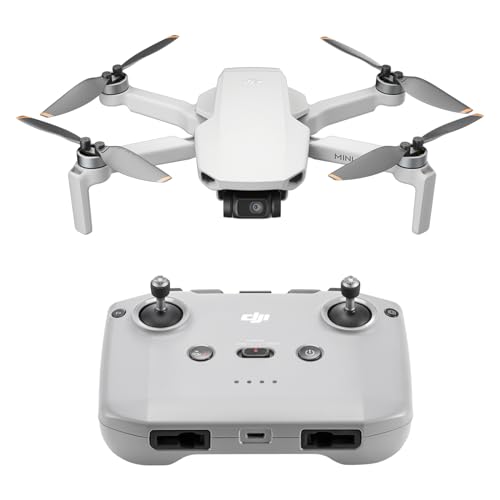
Best overall for beginners: the DJI Mini 4K, around $299, weighs under 249 grams, shoots 4K video on a 3 axis gimbal, resists Level 5 winds and includes one tap takeoff and landing, GPS return to home and automated QuickShots.
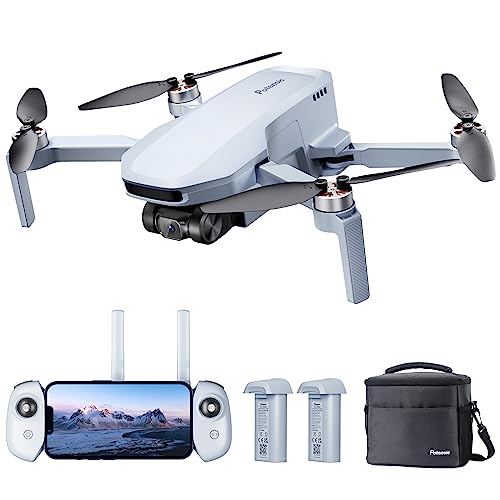
Best value: the Potensic ATOM SE, around $225, is a sub 249 gram GPS drone with a 4K camera using electronic image stabilization, two batteries for up to 62 minutes of total flight and up to 4 km of video transmission.

Best premium pick: the DJI Air 3S Fly More Combo, around $1,399, is a 4K dual camera drone that comes with three batteries and the RC N3 controller, aimed at creators who want more image quality and flexibility.

Types of Camera Drones Compared
Camera drones fall into several types. Here is how they compare.
| Type | Best For | Pros | Cons | Typical Price |
|---|---|---|---|---|
| Mini Drones Under 250 g | Beginners, travel | Light, portable, often no registration for recreation | Smaller sensors, less wind resistance | around $300 to $1,100 |
| Budget GPS Drones | First timers on a budget | Affordable, GPS return home | Electronic stabilization, weaker apps | around $150 to $300 |
| Mid Size Camera Drones | Creators, real estate | Larger sensors, dual cameras, obstacle sensing | Heavier, registration required | around $1,000 to $2,000 |
| Selfie and Follow Drones | Vloggers, solo adventurers | Palm takeoff, auto follow | Short range and flight time | around $140 to $400 |
| FPV Drones | Action, cinematic dives | Immersive, fast, dynamic shots | Steep learning curve | around $400 to $1,000+ |
Mini Drones Under 250 Grams
Mini drones are the most popular choice for beginners and travelers. Their light weight makes them easy to pack, and in the United States, recreational pilots do not need to register drones under 250 grams with the FAA, although they still must follow flying rules and complete the FAA's free online TRUST safety course and carry the certificate. Many minis offer 3 axis gimbals and 4K video.
The trade offs are smaller sensors that struggle in low light compared with bigger drones, and lighter frames that can be pushed around by strong wind.
Budget GPS Drones
Budget drones with GPS offer return to home, position hold and 4K cameras at low prices. Most use electronic image stabilization rather than a mechanical gimbal, so footage can look less smooth in wind. Apps and transmission systems are simpler, but they are an affordable way to learn.
Mid Size Camera Drones
Mid size drones carry larger sensors, sometimes two cameras with different focal lengths, and more advanced obstacle sensing. They handle wind better and capture better low light and HDR footage. They weigh more than 250 grams, so they must be registered and use Remote ID in the United States.
Selfie and Follow Drones
Small self flying drones launch from your palm and follow you automatically while recording. They are great for vlogging, cycling and hiking clips, but range, wind handling and flight time are limited.
FPV Drones
First person view drones are flown with goggles for immersive, fast and acrobatic footage. They produce spectacular action shots but take practice and are not ideal for first time pilots.
Mini Drone vs Mid Size Drone: Which Should You Choose?
Choose a mini drone if you are new to flying, want to travel light or mainly shoot social media clips and holiday footage. Choose a mid size drone if image quality is your top priority, you fly in windy coastal or mountain areas or you shoot paid work such as real estate, where larger sensors and dual cameras make a difference. Many pilots start with a mini and upgrade later, keeping the mini as a travel drone.
How to Choose the Right Drone with Cameras
These factors decide how a drone flies and how good your footage looks.
Camera Sensor and Image Quality
Larger sensors capture more light and detail, which improves sunsets, night scenes and high contrast landscapes. Entry drones often use 1/2.3 or 1/3 inch sensors, while premium models use 1/1.3 inch or 1 inch sensors. Look for 4K video at 30fps or higher and support for RAW photos if you edit.
Gimbal vs Electronic Stabilization
A 3 axis mechanical gimbal keeps footage smooth and level even as the drone tilts in wind. Electronic stabilization crops and corrects digitally, which works in calm conditions but is less effective in gusts.
Flight Time and Batteries
Most camera drones fly 25 to 45 minutes per battery in ideal conditions. Fly More combos with extra batteries and charging hubs are worth it, since one battery rarely feels like enough.
Range and Video Transmission
Transmission range affects how reliably you see a live feed. Even with long range systems, you must keep the drone within visual line of sight under FAA rules, so reliability matters more than maximum distance.
Obstacle Sensing and Safety Features
GPS return to home, low battery return and obstacle sensors reduce the chance of crashes. Omnidirectional sensing on premium drones helps when flying near trees or buildings.
Ease of Use for Your Skill Level
Beginner friendly drones offer one tap takeoff and landing, automated shots, beginner modes that limit speed and altitude and in app tutorials.
Weight and Regulations
Weight determines registration and Remote ID requirements. Drones under 250 grams avoid registration for recreational flying in the U.S., while heavier drones require registration and Remote ID. Commercial use requires an FAA Part 107 certificate regardless of weight.
Best Drones for Specific Needs
Here is how to match a drone to your goals.
Best Drones with Cameras for Kids: Which Type Works Best
For children, small indoor or toy drones with propeller guards and simple controls are safest for learning. Older kids and teens can move to a lightweight mini drone with GPS and beginner modes under adult supervision. Camera quality matters less than durability and easy controls at the start.
Best for Travel
A sub 250 gram mini drone with a compact controller and extra batteries fits easily in a backpack and avoids registration headaches for recreational use in many countries.
Best for Real Estate and Professional Work
Mid size drones with large sensors, dual cameras and obstacle sensing deliver the image quality clients expect. Remember that commercial flights require Part 107 certification.
Best for Vlogging
Self flying follow drones capture hands free clips during hikes, rides and travel. For more cinematic results, a mini drone with subject tracking works well.
Whichever is the best drone with cameras for your needs, practicing in open spaces before tackling tricky locations will protect both the drone and your footage.
Drone Rules and Safety Basics
In the United States, recreational pilots must complete the free TRUST safety course and carry proof, fly at or below 400 feet in uncontrolled airspace, keep the drone within visual line of sight and avoid flying over people, stadiums and emergency scenes. Check apps such as B4UFLY for airspace restrictions near airports and national parks, where drone flights are often prohibited. Rules differ in other countries, so research local regulations before traveling with a drone.
What Your Budget Buys
Around $150 to $300 buys a capable GPS drone or an entry mini drone, enough to learn and capture good daylight footage. Between about $400 and $1,100, you get premium minis with larger sensors, obstacle sensing and better transmission. Above about $1,000, mid size drones add dual cameras, top tier sensors and stronger wind performance. Budget for extra batteries, a carrying case and spare propellers.
Tips to Get the Most From Your Drone
- Practice in an open field away from people, trees and power lines.
- Calibrate the compass when the app prompts you and wait for a strong GPS lock.
- Fly during golden hour, just after sunrise or before sunset, for the best light.
- Use ND filters on bright days for smoother, more cinematic video.
- Keep firmware updated and inspect propellers before each flight.
- Return with battery to spare, especially in wind or cold weather.
Essential Drone Accessories
- Extra batteries and a charging hub to extend each outing.
- ND filters for smoother motion and better exposure on sunny days.
- A hard or padded carrying case to protect the gimbal in transit.
- Spare propellers, since chipped or bent props cause vibration and jittery footage.
- Propeller guards for practice flights near people or indoors.
- A landing pad to keep dust and grass away from the camera.
- A fast microSD card rated for 4K recording.
- A sunshade or tablet holder so you can see the live feed clearly in bright sunlight.
Common Beginner Mistakes
- Taking off before GPS lock, so return to home has no accurate point.
- Flying in strong wind beyond what a light drone can handle.
- Ignoring battery warnings and being forced to land far away.
- Flying backward or sideways near trees where sensors may not see obstacles.
- Skipping airspace checks near airports, parks and events.
Editing Drone Footage
A little editing turns raw clips into polished videos. Most drone apps include quick editing templates, while free desktop tools like DaVinci Resolve and mobile apps like CapCut offer more control. Trim clips to the best moments, add gentle color correction, keep transitions simple and pair footage with music. Shooting in a flat color profile gives more room to grade footage, but standard color is easier for beginners and looks great straight from the drone.
FAQs
These are the questions new pilots ask most.
What specs matter most for beginners?
GPS with return to home, a stabilized camera, beginner flight modes and reliable transmission matter most. A weight under 250 grams simplifies registration for recreational flying in the U.S.
How much should I spend on my first one?
Around $225 to $450 buys an excellent first drone, especially with extra batteries. Spend more only if you need better low light quality or plan professional work.
Do I need to register my drone?
In the U.S., recreational drones under 250 grams do not need FAA registration, but heavier drones do. All recreational pilots must complete the free TRUST course, and commercial pilots need a Part 107 certificate.
Which is better for low light?
Drones with larger sensors, such as 1 inch or 1/1.3 inch, handle low light far better than small sensor drones.
How long do drone batteries last?
Each battery typically gives 25 to 45 minutes of flight in good conditions, less in wind and cold. Batteries age with use, so replace any that swell or lose noticeable capacity, and store them at partial charge between outings.
Can I fly a drone in the rain?
Most consumer drones are not waterproof, so avoid rain, snow and fog. Moisture can damage electronics and reduce visibility for obstacle sensors.
Is a smartphone enough instead?
Phones take excellent ground level photos, but only a drone can capture aerial perspectives. Many drones use your phone as the screen for the controller.
The Bottom Line
The three things that matter most are a stabilized camera with a sensor that suits your shots, safety features such as GPS return to home and a weight class that fits your plans and local rules. Most beginners will be happiest with a sub 250 gram mini drone, budget buyers can learn on a GPS drone and creators should invest in a mid size dual camera drone. Use this guide to choose the best drone with cameras, then check the product table above for current prices. Shopping for a gift? See the best drones for beginners as gifts.


