
Best Full Range Speakers for Car for 2026: Every Type Explained Side by Side
Disclosure: We may earn a commission when you buy through links on this page, at no extra cost to you. As an Amazon Associate I earn from qualifying purchases. Learn more

Drivers upgrading weak factory audio can compare the best full range speakers for car use: coaxial, triaxial, shallow mount and component types.
Factory car speakers are built to a cost, so many drivers end up with paper cones, small magnets and foam surrounds that crack, buzz or sag after a few summers of heat. Aftermarket full range speakers fix most of that, giving clearer vocals, tighter midbass and smoother treble from the same door openings. Picking the best full range speakers for car audio upgrades means matching physical size, speaker design, sensitivity and impedance to your vehicle and your radio.
A common mistake is buying speakers that are too deep to clear the power window track, or power hungry models that sound quiet and flat on a low wattage factory radio. This guide compares each major style of full range car speaker, explains the standard sizes from 3.5 inch to 6x9 inch, and shows how to get clean sound on almost any budget. The picks in the table are a good place to start shopping once you know which type fits your car.




Types of Full Range Speakers Compared
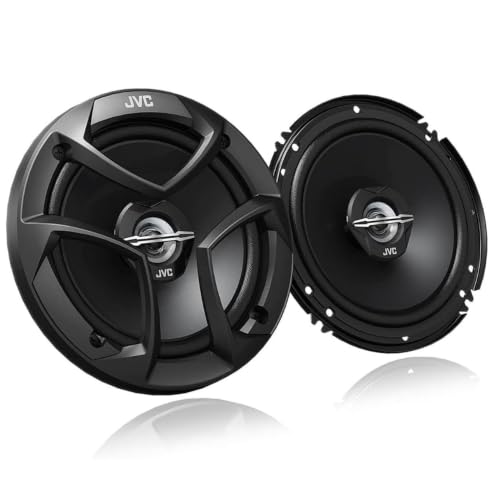
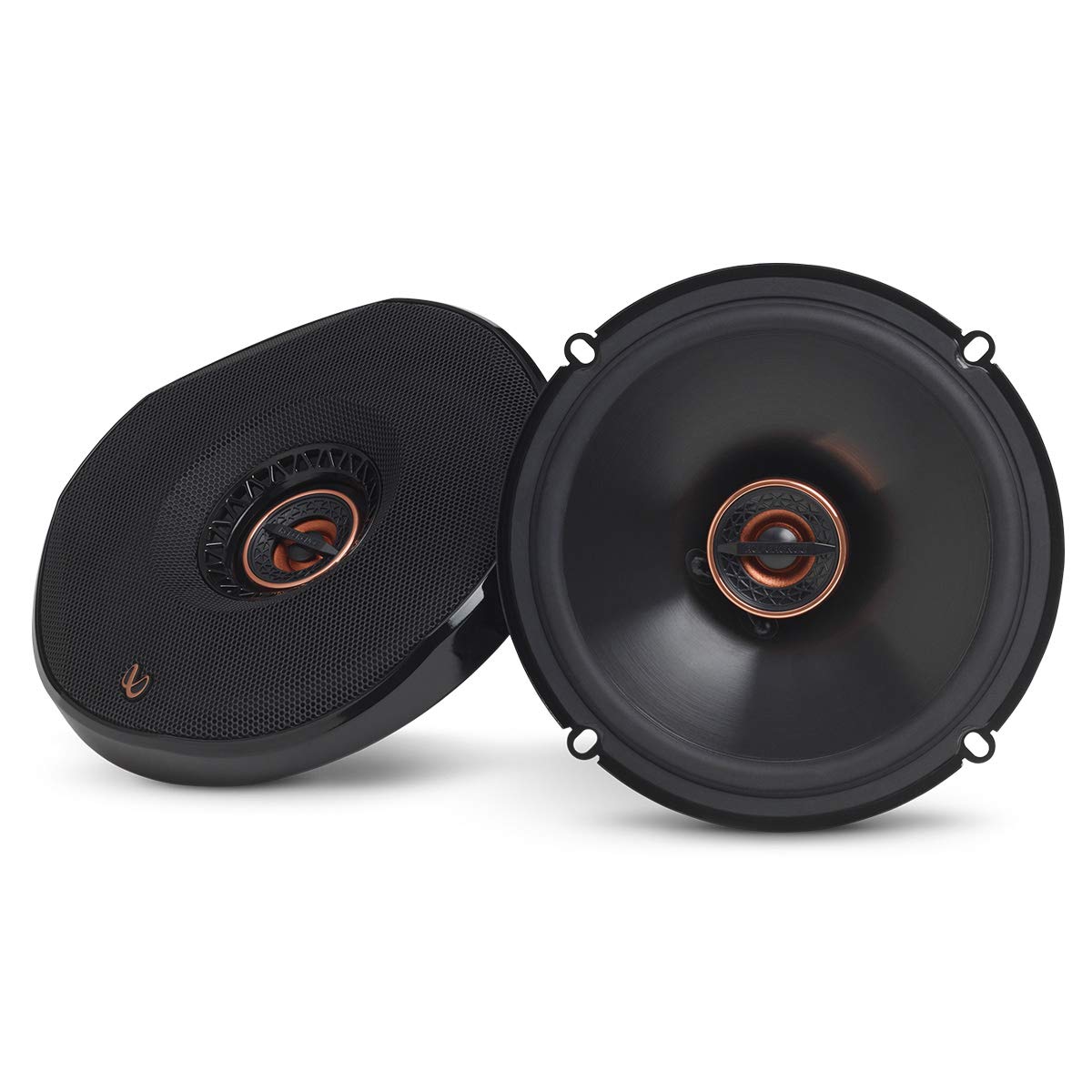
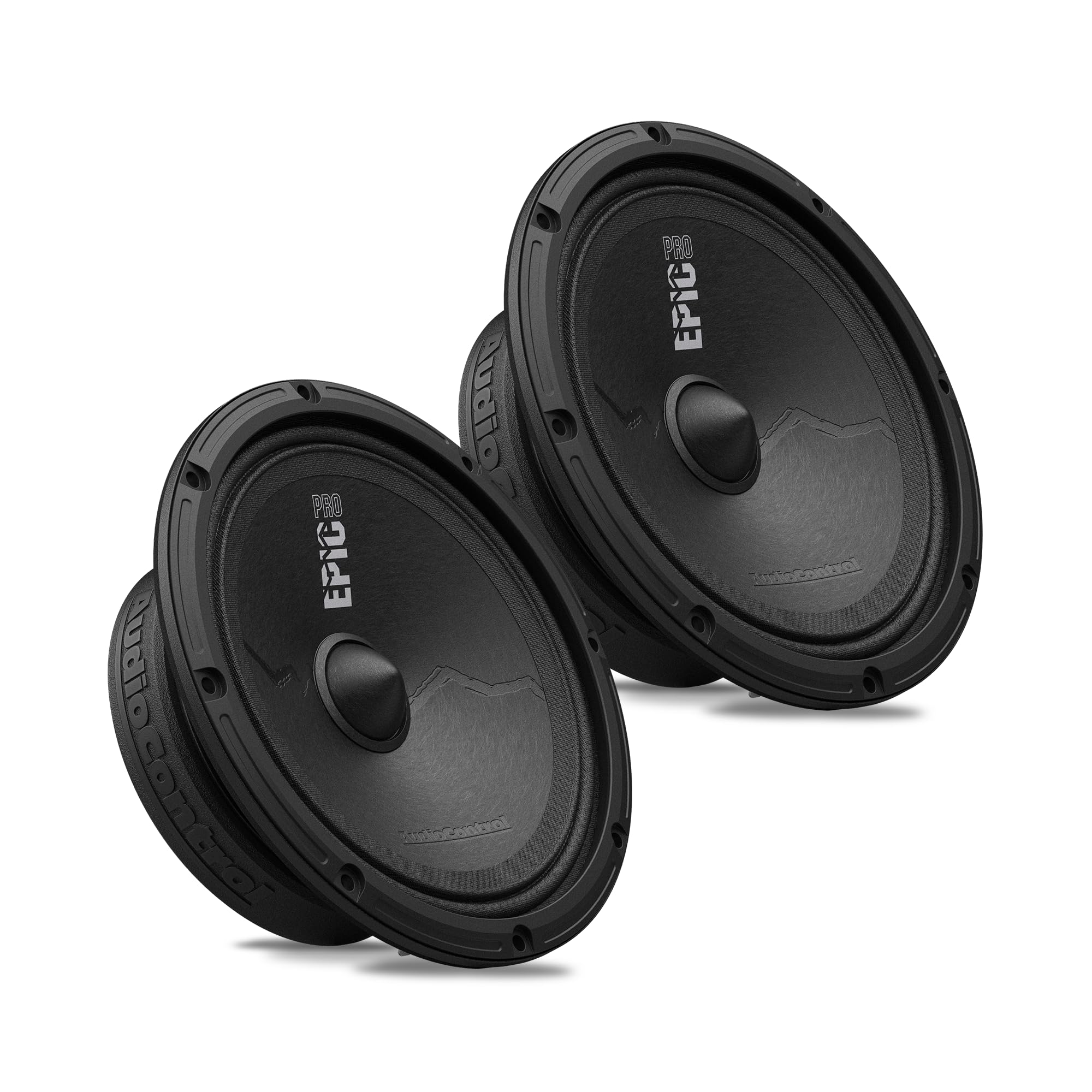
Full range car speakers, commonly called coaxial speakers, house a low and midrange woofer plus one or more tweeters on a single shared frame. The table below sets the four main designs side by side, and the sections after it explain each one.
| Type | Best For | Pros | Cons | Typical Price (Per Pair) |
|---|---|---|---|---|
| 2 Way Coaxial Speakers | Factory drop in replacements, balanced sound, and daily commuting | Smooth acoustic integration; large woofer cone area; reliable silk or PEI dome tweeter; budget friendly | Fixed tweeter height sits lower in door panel compared to separate A pillar tweeters | Around $45 to $130 |
| 3 Way Triaxial Speakers | Rear parcel shelves, wide truck doors, and high volume playback | Adds a dedicated intermediate midrange driver; enhanced presence and crisp acoustic detail | Center bridge covers more woofer cone area; can sound bright if plastic tweeters are used | Around $60 to $160 |
| Shallow Mount Slim Coaxial Speakers | Compact cars, European imports, and tight door cavities | Ultra slim mounting depth (under 1.8 inches); fits narrow window glass clearances | Slightly smaller magnet structure; slightly less low bass extension than deep baskets | Around $55 to $140 |
| Component Speaker Systems | Audiophile soundstaging, custom installations, and amplified systems | Separate woofer, separate tweeter, and outboard 12dB crossover; raises soundstage to ear level | Requires custom mounting for tweeters; higher price and more complex wiring installation | Around $95 to $280 |
2 Way Coaxial Car Speakers
The 2 way coaxial is the standard choice for most upgrades because it replaces a factory speaker with little effort. It mounts one dome tweeter above the center of the woofer cone on a rigid bridge, and a small built in capacitor protects the tweeter from bass while the woofer covers midbass up to roughly four kilohertz.
Because all frequencies come from one point, coaxials stay phase coherent and usually bolt into the factory screw holes. With silk dome tweeters and polypropylene cones, a typical swap takes under an hour and removes much of the muddiness of stock paper speakers.
3 Way Triaxial Car Speakers
A 3 way triaxial adds a third small driver, usually a piezo or dome super tweeter, beside the main tweeter. It is most common in 6x9 inch and 6.5 inch formats. The woofer handles lows, the mid tweeter handles vocals, and the super tweeter covers the highest frequencies.
In rear parcel shelves or large truck door panels, the extra driver adds vocal presence that helps against road and tire noise at highway speed. Be careful with budget models, since plastic tweeters can sound harsh.
Shallow Mount Slim Coaxial Speakers
Shallow mount speakers suit cars where the window glass or a side impact beam sits less than two inches behind the speaker bracket. A standard deep magnet can hit the glass as it lowers.
They solve this with compact neodymium motors or a recessed basket, bringing total mounting depth to about 1.5 to 1.8 inches while keeping the full cone diameter. Expect slightly less deep bass than a deep basket, but clean output for the space.
Component Speaker Systems
Component systems suit listeners who want vocals to appear at dash height instead of down at their ankles. They separate the woofer, mounted in the door, from the tweeter, mounted high on the dashboard, sail panel or A pillar, and connect them with an external 12dB passive crossover.
The result is a taller, wider soundstage, but you need to plan tweeter placement and run extra wiring. Many installers try tweeter positions with temporary tape before drilling or cutting anything.
Coaxial vs Component Speakers: Which Should You Choose?
Choose coaxials for easy installation and value, and components for the best imaging. The decision usually comes down to your installation appetite and budget.
- Installation Simplicity: Coaxial speakers win. They drop into original door locations in about twenty minutes using factory harness adapters, with no drilling or splicing.
- Soundstage Height and Imaging: Component systems win for sound quality. Tweeters placed at ear level lift the soundstage toward windshield height for a more three dimensional stereo image.
- Amplifier Demands: Coaxials are made to sound good on low wattage factory head units. Component systems have heavier crossovers and often do their best with an aftermarket multi channel amplifier.
- Price: Quality coaxial pairs run around $40 to $100, while component systems typically run around $100 to $250.
How to Choose the Right Full Range Speaker for Your Car
Check these four specifications before ordering. Getting size and sensitivity right matters more than any brand name.
Speaker Sizing and Vehicle Fitment
Car speakers come in standardized sizes, so confirm your exact factory cutouts with an online vehicle fit guide or by removing a door panel and measuring:
- 6.5 Inch (and 6.75 Inch): The most common size in modern car doors, balancing clean midbass with compact mounting.
- 6x9 Inch: Popular in rear decks, trucks and SUVs, with considerably more cone area than a 6.5 inch for deeper bass punch.
- 5.25 Inch: Standard in older sedans and European imports with smaller door pockets.
- 4 Inch and 3.5 Inch: Used in classic dashboards, pillars and compact rear positions.
Also measure mounting depth and the screw hole spacing, not only the cone diameter. Two speakers both sold as 6.5 inch can differ by half an inch in basket depth, and that gap decides whether the window still closes.
Sensitivity Ratings for Factory Radios (dB SPL)
If you keep a factory radio, sensitivity is the most important number. Factory units often deliver only about 12W to 20W RMS per channel, so look for 91 dB to 94 dB at 1W/1m. High sensitivity speakers play loud and lively on very little power.
If you add an amplifier delivering 50W to 100W RMS per channel, lower sensitivity speakers (87 dB to 89 dB) with heavier voice coils and higher power handling become a good option.
Nominal Impedance: 4 Ohm vs 2 Ohm Voice Coils
Most aftermarket car speakers are rated at 4 Ohm nominal impedance. Some makers offer 2 Ohm or 3 Ohm models, which draw more current and can extract more output from a weak factory radio. Check that your head unit or amplifier is rated to drive the lower impedance.
Cone and Surround Materials
Car interiors swing between extreme heat and humidity, so look for polypropylene, carbon fiber or mica composite cones with butyl rubber surrounds. Avoid untreated paper cones and foam surrounds, which tend to degrade under sunlight and heat.
Tweeter material matters too. Silk and other soft domes usually sound smoother, while metal and hard plastic domes can sound brighter and more fatiguing on long drives.
Care and Installation Tips
A few habits give you the best sound and avoid rattles.
- Use plug and play wiring harness adapters: Vehicle specific harnesses, often around $10, plug into factory connectors without cutting wires.
- Apply foam sealing tape around the speaker flange: A closed cell foam gasket between basket and door frame reduces air leaks and tightens midbass.
- Add sound deadening sheets inside the door cavity: Butyl damping sheets on thin door metal reduce buzzes and improve bass response.
- Check window clearance before closing door panels: Roll the window fully down and up after mounting to make sure the magnet does not strike the glass.
- Use mounting rings or adapter plates when needed: They fill gaps if the new frame does not match the factory hole pattern, keeping the speaker rigid and sealed.
Frequently Asked Questions
What does full range mean for car speakers?
A full range car speaker combines a woofer for low and midrange frequencies with an integrated tweeter for highs on one frame. It reproduces the audible spectrum from a single mounting location, which is why it drops into factory openings so easily.
Will aftermarket full range speakers sound better on a stock factory radio?
Yes, usually, especially if you pick high sensitivity models. Polypropylene cones and silk tweeters give cleaner vocals, firmer bass and clearer highs than factory paper speakers, even on low radio power.
What is the difference between 2 way and 3 way car speakers?
A 2 way speaker has one woofer and one tweeter, while a 3 way adds an intermediate driver. A well built 2 way with a silk tweeter often sounds smoother than a budget 3 way with cheap plastic domes.
How long do aftermarket car speakers last?
Quality speakers with butyl rubber surrounds and composite cones commonly last many years of daily driving. Heat, sun exposure and sustained high volume with an underpowered or clipping source are the main things that shorten their life.
Do I need an amplifier for new car speakers?
No, not for most coaxial upgrades. High sensitivity coaxials run well on a factory radio, while component systems and low sensitivity speakers benefit more from an amplifier.
Final Thoughts
Upgrading factory speakers is one of the most rewarding improvements for a daily commute, turning muddy cabin sound into something crisp and dynamic. Choose high sensitivity 2 way coaxials for a fast factory radio upgrade, shallow mount speakers for tight door clearances, or component systems for a taller soundstage. Compare the picks in the table above to find the best full range speakers for car listening in your vehicle.


