
Best Headsets for Music: The Buyer Checklist We Use
Disclosure: We may earn a commission when you buy through links on this page, at no extra cost to you. As an Amazon Associate I earn from qualifying purchases. Learn more

A checklist for choosing a headset for music listening, with three picks.
A headset that sounds fine for calls and gaming chat can fall flat on music: muddy bass, harsh treble and a narrow soundstage that makes every album feel boxed in. Music listening rewards different strengths, from balanced tuning and low distortion to comfort over a full album and noise isolation on a train. To find the best headsets for music, we use a checklist covering sound quality, comfort, noise cancellation, connectivity, app features and how hard a headset is to drive.
Below, each criterion includes what good and poor look like, followed by three picks that pass the checklist, a quick buyer checklist, red flags, picks for PC listening and answers to common questions.




How We Evaluate Headsets for Music
We judge music headsets on seven criteria, weighted toward sound quality and comfort, since a headset you cannot wear for an hour will not get used. Our scoring uses manufacturer specifications, published frequency response information, listing details and patterns in buyer feedback in aggregate.
Features That Matter for Music
Music listening needs a balanced tuning that does not bury vocals under bass, low distortion at higher volumes and a soundstage that separates instruments. Good: large dynamic drivers (around 40 to 50mm) or well tuned planar drivers, an adjustable EQ for wireless models and replaceable ear pads. Poor: headsets tuned only for gunshots and footsteps, with exaggerated treble spikes and boomy bass, or built in virtual surround that cannot be switched off.
Sound Quality and Tuning
Good: a neutral or gently warm signature with clear mids, extended treble that is not sharp and controlled, tight bass. Studio monitors like the Audio-Technica ATH-M50x aim for accuracy with deep bass, while audiophile open back models like the Sennheiser HD 600 aim for natural, uncolored mids. Poor: a heavy V shaped tuning that scoops vocals and guitars, sibilant treble that makes cymbals hiss and bass that bleeds into everything.
Comfort, Fit, and Weight
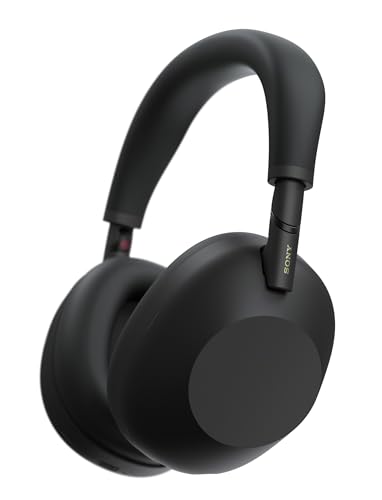
Good: headsets under about 320g, soft memory foam or velour pads, ear cups deep enough that your ears do not touch the drivers and moderate clamping force. Sony's WH-1000XM6 uses a wider, asymmetrical headband designed for pressure free all day wear, per Sony. Poor: heavy headsets over 400g, shallow pads and tight clamping that causes headaches during long listening sessions. Glasses wearers should look for soft, thick pads.
Noise Cancellation and Isolation
Active noise cancellation (ANC) uses microphones to cancel low rumble like engines and air conditioning, letting you hear detail at lower volumes. Good: adaptive ANC that adjusts to your surroundings, plus a transparency mode for conversations. Closed back passive designs like the ATH-M50x isolate well without electronics. Open back headphones like the HD 600 leak sound both ways, so they suit quiet rooms only. Poor: weak ANC that creates pressure or hiss without blocking much noise.
Connectivity (Bluetooth Version, Codecs, Wired)
Good wireless headsets use Bluetooth 5.x with multipoint pairing to switch between phone and laptop, support high quality codecs such as LDAC or aptX Adaptive and include a wired option for lossless listening. Wired headphones with detachable cables, like the ATH-M50x, avoid compression entirely and are easy to repair. Poor: Bluetooth only headsets limited to the basic SBC codec, or fixed cables that end the headset's life when they fray.
Ecosystem and App Features
Good: companion apps with a custom EQ, ANC levels, firmware updates and features like auto pause when you remove the headset. Sony, Bose, Sennheiser and Soundcore all offer apps for their wireless models. Poor: no app or EQ, which leaves you stuck with the factory tuning. Wired studio headphones skip apps entirely, so tuning comes from your player or computer EQ.
Driving Power and Amplification
Impedance and sensitivity determine how loud a wired headset gets from a given source. Good: low impedance (around 30 to 40 ohms) wired headphones like the ATH-M50x play loudly from phones and laptops. High impedance audiophile models like the 300 ohm HD 600 benefit from a dedicated headphone amplifier or a quality USB DAC with enough output. Poor: pairing high impedance headphones with a weak phone dongle, which leaves them quiet and thin.
3 Picks That Pass Our Checklist
The Sony WH-1000XM6 is our best overall headset for music, the Audio-Technica ATH-M50x is the best value and the Sennheiser HD 600 is the best premium pick for home listening.
Best Overall: Sony WH-1000XM6
The Sony WH-1000XM6 suits listeners who want great sound everywhere, from commutes to flights to the office. At around $378, it combines Sony's HD Noise Canceling Processor QN3, which Sony says is seven times faster than the QN1 in the previous model and manages 12 microphones in real time, with drivers co created with mastering engineers.
Its two standout strengths are class leading adaptive noise cancellation, which adjusts for noise, air pressure and how you wear the headset, and up to 30 hours of battery life with wired listening as an option. A foldable design and compact magnetic case make it easy to carry, and Sony's app adds EQ and LDAC support. The limitation is that it is a closed back wireless design, so it cannot match the open, spacious presentation of the best wired open back headphones at home.

Best Value: Audio-Technica ATH-M50x
The ATH-M50x suits music lovers, home studio users and anyone who wants accurate wired sound on a budget. At around $159, these professional studio monitor headphones use 45mm large aperture drivers with rare earth magnets, which Audio-Technica says deliver exceptional clarity and deep, accurate bass.
Its strengths are a closed back circumaural design that isolates well in loud environments and 90 degree swiveling ear cups for one ear monitoring. The detachable cable makes it easy to replace a damaged cord, extending the headphones' life. They are easy to drive from phones and laptops. The limitation is that the clamp can feel firm at first, and there is no noise cancellation or wireless option on this model.

Best Premium Pick: Sennheiser HD 600
The Sennheiser HD 600 suits dedicated home listeners who want natural, detailed sound. At around $264, it is an open back dynamic wired headphone long regarded as a reference for accurate, uncolored mids and a spacious soundstage.
Its strengths are a natural tonal balance that suits acoustic, jazz, classical and vocal music and an open back design that sounds airy rather than inside your head. Replaceable parts such as pads and cables support long ownership. The limitation is that it leaks sound and blocks little outside noise, so it suits quiet rooms, and its higher impedance benefits from a headphone amp or DAC with good output.

Quick Buyer Checklist
Answer these yes or no questions before buying.
- Will you listen mostly at home, on the go or both?
- Do you need noise cancellation for commutes or flights?
- Is the tuning balanced, or adjustable with an app EQ?
- Is the headset comfortable for at least an hour, with deep ear cups?
- Does it support a high quality codec your phone also supports?
- Can you listen wired for lossless audio?
- Are ear pads and cables replaceable?
- Can your phone or computer drive it loud enough, or do you need an amp?
Red Flags to Watch For
Skip headsets that show these warning signs.
- Gaming only tuning: exaggerated treble and bass make music fatiguing.
- Unverifiable specs: claims like "Hi-Res" without codec or frequency details mean little.
- No replacement parts: worn pads or broken cables should not end a headset's life.
- Weak ANC with hiss: poor noise cancellation can add audible background noise.
- Very cheap wireless models from unknown brands: they often skip firmware updates and good codecs.
Picking the Right Headsets for Different Uses
Match the headset to where you listen: wireless ANC for travel and commuting, closed back wired for home studios and shared spaces and open back wired for quiet home listening.
Best PC Headsets for Music: What to Check
The best pc headsets for music connect through a quality USB DAC or a good motherboard output and keep a balanced tuning for long listening sessions. Look for detachable cables, comfortable pads and, if you chat, a separate clip on or desk microphone rather than a gaming boom mic that compromises sound. The ATH-M50x is a strong all round PC choice.
Best Computer Headsets for Music: What to Check
The best computer headsets for music benefit from lossless sources and enough amplification. Check impedance against your computer's output, consider an external DAC or amp for high impedance models like the HD 600 and use a music player that supports exclusive or bit perfect output. Wireless headsets with multipoint let you switch between computer and phone easily.
Headset Types for Music Explained
The best headsets for music come in four main designs, each with clear trade offs.
- Closed back wired: isolate well and keep sound in, ideal for shared spaces, recording and commuting with a phone. The ATH-M50x is a classic example.
- Open back wired: sound more spacious and natural but leak sound and let noise in, so they suit quiet rooms. The HD 600 and Philips Fidelio X3 fall here.
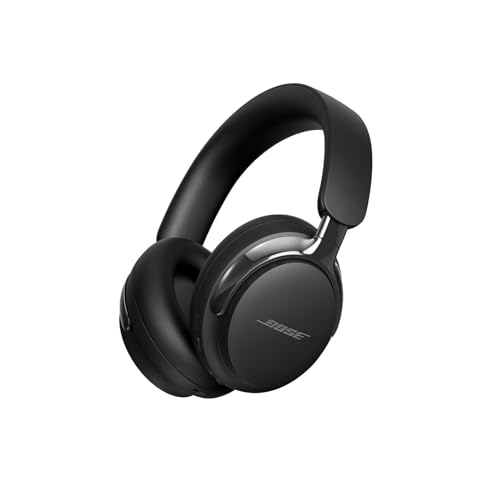
- Wireless ANC over ear: combine convenience with noise cancellation for travel and offices, like the Sony WH-1000XM6 and Bose QuietComfort Ultra.
- Gaming headsets: add boom microphones and surround features but often trade away tuning accuracy, so check reviews of music performance before choosing one for listening.
Wireless vs Wired Headsets for Music
| Factor | Wireless | Wired |
|---|---|---|
| Sound quality | Very good with LDAC or aptX Adaptive | Best, lossless with a good source |
| Noise cancellation | Available on many models | Rare; relies on passive isolation |
| Convenience | No cables, multipoint pairing | Cable can snag, needs a jack or DAC |
| Battery | Needs charging, often 30 to 60 hours | No battery to wear out |
| Lifespan | Limited by battery and firmware | Many years with replaceable parts |
Tips to Get the Most From Your Headset
- Use lossless or high bitrate sources; streaming services offer lossless tiers on many plans.
- Set a gentle EQ to tame peaks rather than boosting everything.
- Replace worn ear pads, which change both comfort and sound as the foam compresses.
- Keep wireless firmware updated for codec and ANC improvements.
- Listen at moderate volume and take breaks to protect your hearing.
FAQs
What features matter most in headsets for music?
Balanced sound, comfort and the right isolation for where you listen matter most. Look for clear mids and controlled bass, deep comfortable ear cups and ANC or closed backs for noisy places. For wireless models, high quality codecs and an app EQ add a lot.
How long does the battery last?
Most premium wireless headsets last about 30 to 60 hours per charge. Sony lists up to 30 hours for the WH-1000XM6, and Sennheiser lists up to 60 hours for the Momentum 4. ANC and high quality codecs use more power. Wired headphones have no battery at all.
What IP rating do I need for outdoor use?
Most over ear headsets have no IP rating, so avoid heavy rain and sweaty workouts. For outdoor exercise, choose sport earbuds rated IPX4 or higher for sweat and splashes. Over ear music headsets are best kept dry and stored in their case.
Wired or wireless: which sounds better?
Wired usually sounds better because it avoids Bluetooth compression. With high quality codecs, the best wireless headsets come close, and most listeners will hear little difference on the go. For critical home listening, wired with a good DAC is the reference.
Do I need a special codec?
A high quality codec helps if your phone supports it. LDAC and aptX Adaptive carry more data than SBC or AAC. iPhones use AAC, while many Android phones support LDAC or aptX. Check that your phone and headset share the same advanced codec.
Is ANC worth the extra cost?
Yes, if you listen on commutes, flights or in open offices. ANC removes low frequency noise so you can enjoy detail at lower, safer volumes. For quiet home listening, a wired headphone without ANC often gives better sound for the money.
Do I need a headphone amplifier?
Only for hard to drive wired headphones. Low impedance models like the ATH-M50x play loudly from phones and laptops. High impedance or low sensitivity headphones such as the 300 ohm HD 600 sound fuller with a dedicated amp or a USB DAC and amp combo that provides more voltage.
Wrapping Up
Choose by where you listen: wireless ANC for travel, closed back wired for home studios and shared spaces and open back wired for quiet rooms. The Sony WH-1000XM6 suits most listeners, the ATH-M50x delivers accurate sound on a budget and the HD 600 rewards dedicated home listening. Keep that checklist in mind and the best headsets for music will bring out detail you have been missing. Compare current models in the product table above, and see our guide to the best noise cancelling headsets for more travel options.


