
Best Noise Cancelling Headsets: A First Time Buyer's Guide for 2026
Disclosure: We may earn a commission when you buy through links on this page, at no extra cost to you. As an Amazon Associate I earn from qualifying purchases. Learn more

A first time buyer's guide to the best noise cancelling headsets: how ANC works, key specs, picks by need and mistakes to avoid.
Whether you work from a busy home, commute by train, fly often or game late into the night, a noise cancelling headset can turn a chaotic soundscape into calm. If you have never bought one before, though, terms like ANC, codecs, transparency mode and IP ratings can make the choice feel more technical than it should. This guide to the best noise cancelling headsets starts from zero and explains everything a first time buyer needs to know.
You will learn how noise cancelling works, what the key specs mean in plain English, which type suits gaming, calls, flying or transcription and the mistakes to avoid. The product table above includes options from budget office headsets to premium over ear headphones.
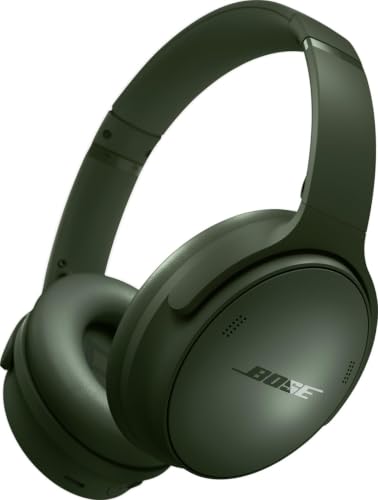
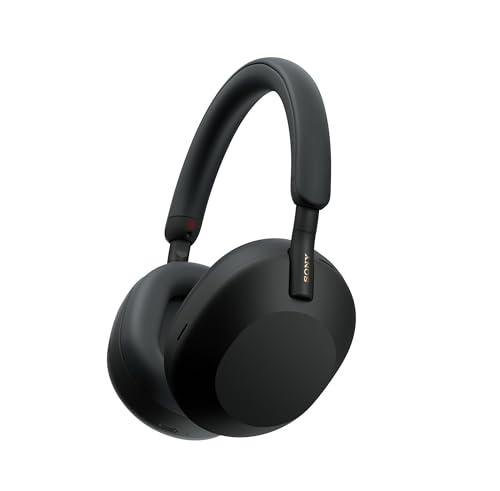
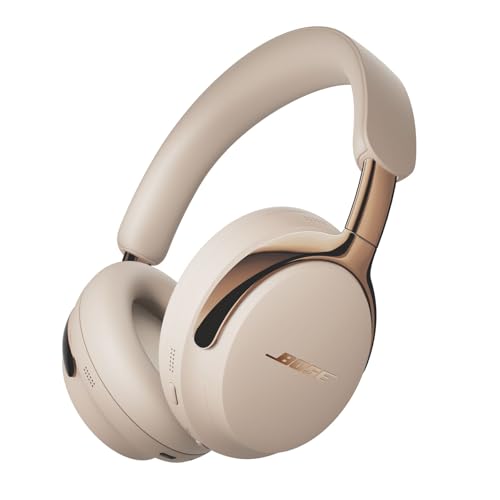

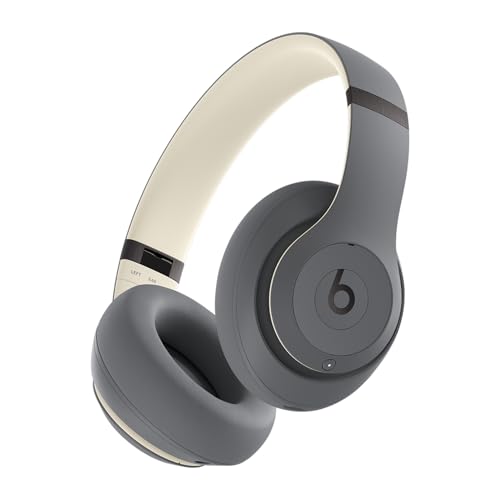


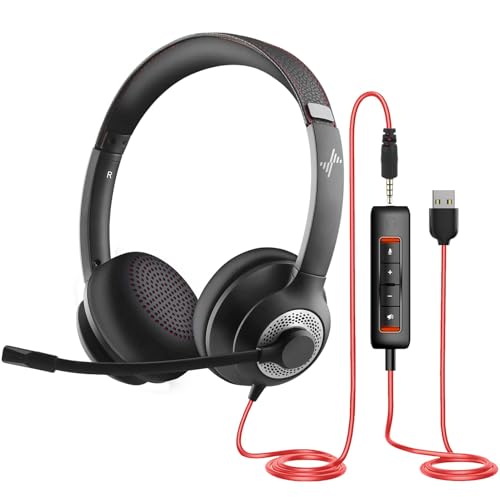

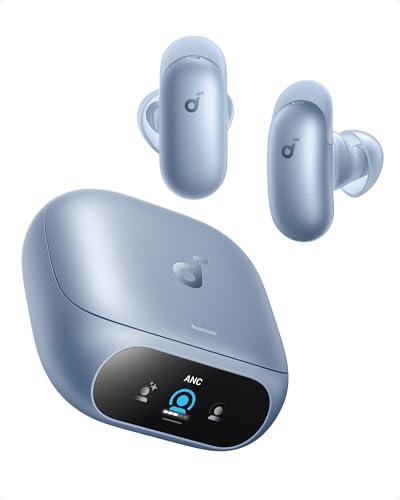
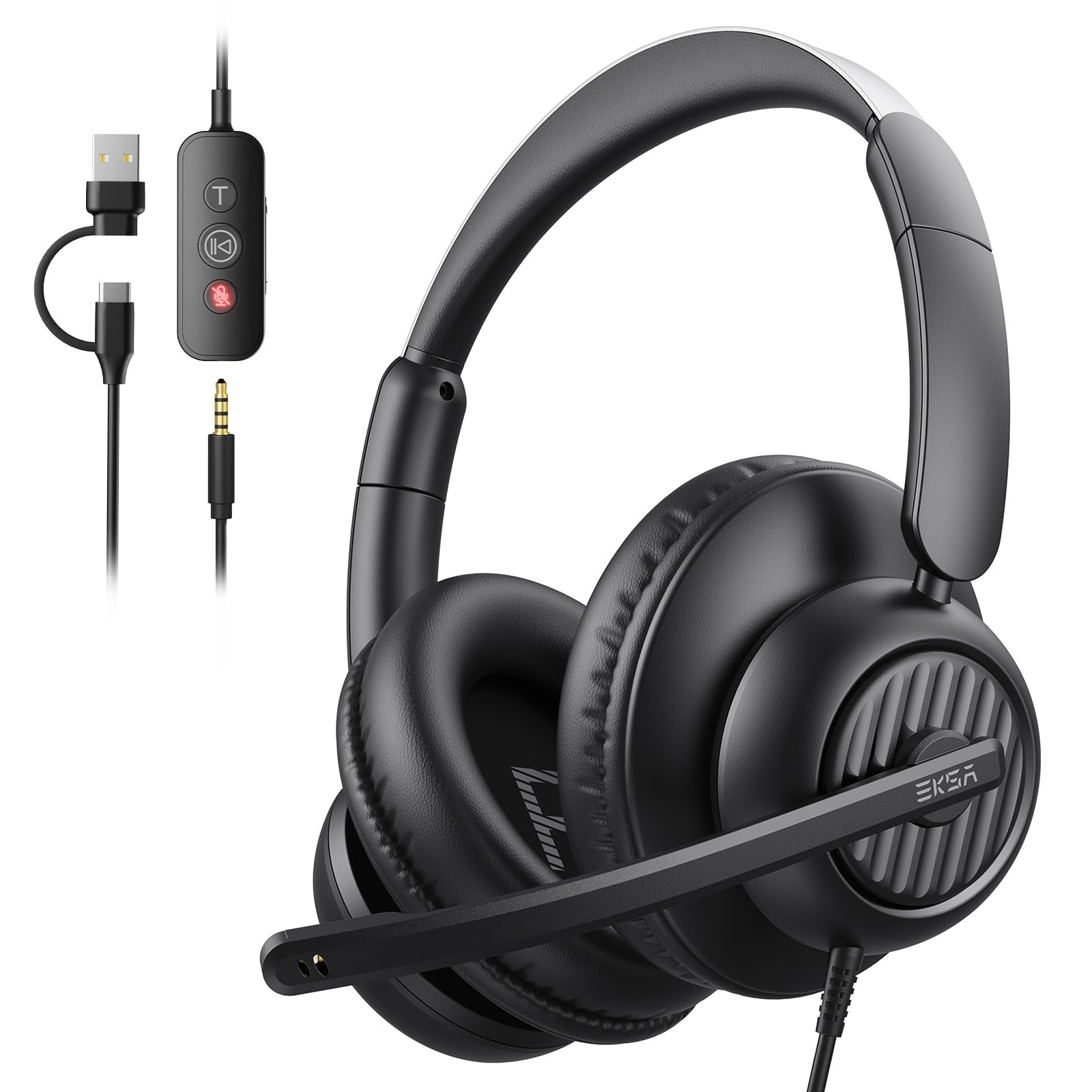
Noise Cancelling Headsets 101: The Basics
There are two ways headsets reduce noise. Passive noise isolation comes from the physical design: thick ear cushions or snug ear tips block sound from reaching your ears, like ear muffs. Active noise cancellation (ANC) uses tiny microphones to pick up outside sound, then electronics create an opposite sound wave that cancels much of it. ANC is most effective against steady, low pitched noise such as airplane engines, air conditioners and traffic rumble.
A third feature is often confused with ANC: microphone noise cancellation. This reduces background noise picked up by the headset's microphone, so the people you talk to hear your voice instead of your keyboard, dog or coffee shop. Many office and gaming headsets focus on microphone noise reduction rather than ANC for your ears.
Most premium headphones combine both: ANC to quiet your environment and multiple beamforming microphones for clear calls. A transparency or ambient mode does the opposite of ANC, letting outside sound in so you can hear announcements or talk without removing the headset.
Here is a quick comparison of the main headset styles:
| Style | Noise Reduction | Best For | Trade Offs |
|---|---|---|---|
| Over ear ANC headphones | Strongest | Flights, commutes, open offices | Bulkier, warmer in summer |
| ANC earbuds | Strong with good fit | Commuting, workouts, travel | Shorter battery per charge |
| Boom mic office headsets | Mic focused, mild isolation | Calls, meetings, call centers | Less suited to music |
| Gaming headsets | Passive plus mic noise reduction | PC and console gaming | Often bulky for travel |
Key Specs Explained in Plain English
Here is what the main specifications mean in everyday use, and what to look for at each level.
Sound Quality and Tuning
Sound quality depends on driver size, tuning and processing. Larger drivers in over ear headphones often produce fuller bass, while good tuning keeps vocals clear and treble smooth. Many headsets offer an app with an equalizer, so you can adjust bass and treble to taste.
Turning ANC on can slightly change how music sounds, and premium models compensate for this. For calls and meetings, voice clarity matters more than deep bass; for music and movies, look for a balanced, detailed sound. Spatial audio features create a surround style effect for movies and some games.
Placement and Room Size
Placement here means how the headset sits on or in your ear. Over ear headphones surround your ears and usually provide the strongest isolation and most comfortable long wear. On ear headsets rest on the ears, lighter but less isolating. In ear earbuds seal inside the ear canal, offering great portability and surprisingly strong noise cancelling when the tips fit well.
Consider your environment, the room you are in. Open offices and loud homes benefit from over ear ANC. Quiet home offices may only need a light on ear headset with a good microphone, and travelers often prefer over ear ANC for flights and earbuds for daily commutes.
Battery Life and Charging
Wireless ANC headphones typically last 20 to 40 hours or more per charge with noise cancelling on, and earbuds last around 5 to 10 hours per charge with extra charges in the case. Quick charge features add hours of playback from a few minutes of charging, which helps before a flight.
Wired USB office headsets need no charging at all. If you take long calls all day, a wired headset or a wireless one with very long battery life and the ability to use it while charging avoids interruptions.
Comfort, Fit and Weight
Comfort determines whether you will wear a headset for hours. Look for soft memory foam cushions, even clamping force and a padded headband. Lighter headsets, often under about 10 ounces for over ear models, reduce fatigue. Glasses wearers should look for softer cushions that seal around frames.
For earbuds, multiple tip sizes matter: a good seal improves both comfort and noise cancelling. Ear hooks or wing tips help earbuds stay in place during workouts.
Connectivity
Bluetooth headphones connect to phones, laptops and tablets wirelessly. Multipoint connection lets a headset stay paired to two devices at once, such as a laptop and phone, so you can switch between a call and music easily. USB dongles provide stable, low latency connections for computers and gaming.
Bluetooth codecs affect audio quality and latency. AAC works well with Apple devices, while LDAC and aptX variants offer higher quality on many Android phones. Wired 3.5mm or USB connections avoid battery and latency concerns entirely.
Durability and Water Resistance
IP ratings describe resistance to dust and water. IPX4 means splash and sweat resistance, suitable for workouts and light rain. IPX5 and higher handle stronger water exposure. Most over ear ANC headphones have little or no water rating, while sports earbuds often carry IPX4 or better.
Look for sturdy hinges, replaceable ear cushions and a protective carrying case, especially if you travel. Metal reinforced headbands last longer than thin plastic. Replaceable cushions are worth looking for, since foam and leatherette wear out after a year or two of daily use and fresh pads restore both comfort and isolation.
Controls and App Features
Physical buttons are easy to use without looking, while touch controls look sleek but can be triggered accidentally. Check that you can adjust volume, pause, skip tracks, answer calls and switch ANC modes directly on the headset. Companion apps add equalizers, ANC adjustment, firmware updates and features like auto pause when you remove the headset.
Some headsets detect when you start talking and switch to transparency mode automatically, which is handy in offices and stores.
Microphone Quality
Microphone quality matters for calls, meetings and gaming. Boom microphones that sit near your mouth capture the clearest voice and reject background noise best. Headphones without booms use multiple built in microphones and software processing, which works well in moderate noise but can struggle in loud places.
If you take many calls, look for features like a mute button, a mute indicator light and certifications for platforms such as Microsoft Teams or Zoom. Side tone, which lets you hear your own voice faintly, keeps you from talking too loudly on calls.
Best Noise Cancelling Headsets for Specific Needs
Different uses call for different designs. Here is how to match a headset to your needs.
Best Noise Cancelling Headsets for Gaming
The best noise cancelling headsets for gaming combine a clear boom microphone with good isolation and low latency wireless or wired connections. Over ear designs with closed backs block room noise so you hear footsteps and cues. A 2.4GHz wireless dongle or USB connection offers lower latency than standard Bluetooth for PC and console play.
Best Noise Cancelling Headsets under 100: Tips for First Time Buyers
The best noise cancelling headsets under 100 dollars usually focus on microphone noise reduction and passive isolation, with some offering basic ANC. First time buyers should prioritize comfort, a clear microphone and reliable connectivity over long feature lists. Check battery life claims and look for a mute button if you take calls.
Best Wired Noise Cancelling Headsets
The best wired noise cancelling headsets connect through USB or 3.5mm jacks, so they never need charging and offer zero wireless lag. They are ideal for office desks, call centers and transcription work. Many include inline controls and noise reducing boom microphones for clear calls.
Best Active Noise Cancelling Headsets: Tips for First Time Buyers
The best active noise cancelling headsets use multiple microphones and processing to reduce steady background noise. First time buyers should look for adjustable ANC levels, a transparency mode and comfortable over ear cushions. Premium brands offer the strongest ANC, while midrange models still deliver noticeable quiet for commuting and offices.
Best Noise Cancelling Headsets for Flying: Tips for First Time Buyers
The best noise cancelling headsets for flying are over ear ANC headphones with long battery life, a folding design and a travel case. They reduce engine rumble so you can listen at lower volumes and arrive less tired. Pack a 3.5mm cable for in flight entertainment systems and choose a model that works wired if the battery runs out.
Best Noise Cancelling Headsets for High Noise Cancelling Headphones: Tips for First Time Buyers
Shoppers searching for the strongest noise cancelling should focus on premium over ear models with advanced ANC and well sealed cushions. Fit matters as much as electronics: a good seal around the ears boosts both passive and active noise reduction. Try adjustable ANC settings to find the balance between quiet and comfort.
Best UC Noise Cancelling Headsets
The best UC noise cancelling headsets are certified for unified communications platforms such as Microsoft Teams and Zoom. They include boom microphones with noise reduction, mute controls and busy lights, and they connect reliably to computers via USB dongles. They are built for all day comfort in offices and home workspaces.
Best Noise Cancelling Headsets for Transcribing
The best noise cancelling headsets for transcribing prioritize clear, accurate audio and long wear comfort. Wired USB or 3.5mm headsets avoid wireless lag that can interfere with foot pedal controls and playback. Closed back designs reduce outside noise so you can hear quiet recordings without raising the volume too high.
Best Noise Cancelling Headsets for Students
Students need headsets that handle online classes, study sessions and music. Look for a comfortable fit, a decent microphone, multipoint pairing for laptop and phone and a price that fits a student budget. ANC helps in dorms and libraries, while a durable case protects the headset in a backpack.
Rookie Mistakes to Avoid
- Confusing microphone noise cancelling with ANC: some headsets only clean up your voice, not the noise you hear.
- Ignoring comfort: a powerful headset that hurts after an hour will end up unused.
- Skipping multipoint: if you switch between laptop and phone often, multipoint saves daily hassle.
- Playing too loud: even with ANC, keep volume at safe levels to protect your hearing.
- Overlooking returns: fit is personal, so buy from sellers with easy return policies in case the headset does not suit you.
- Forgetting the fit: earbuds without a proper seal lose much of their noise cancelling.
Price Tiers at a Glance
Under about $50, expect wired or basic wireless headsets with microphone noise reduction, good for calls and online classes. Between $50 and $150, wireless headsets add better batteries, multipoint and sometimes entry level ANC. From $150 to $300, you get strong ANC, premium sound and comfortable materials. Above $300, flagship headphones offer the best noise cancelling, call quality and app features.
Spend according to how many hours a day you will wear the headset. Something you use for eight hours of work and a daily commute justifies a higher budget than an occasional backup.
Getting Started: Setup and First Use
Charge the headset fully before first use, then install the manufacturer's app if available. Pair it with your main device and, if supported, a second device for multipoint. Update firmware through the app, since updates often improve ANC, battery life and connection stability.
On computers, set the headset as both the default speaker and default microphone in your system sound settings, and select it in your meeting or gaming app. Many problems with muffled audio come from apps using the wrong microphone.
Try different ear tip sizes or adjust the headband for a snug, comfortable fit. Set ANC to the highest level in loud places and experiment with transparency mode. Customize the equalizer and controls, and run a quick call with a friend or a recording to check microphone quality.
FAQs
Do I need a special codec?
Not necessarily. Standard codecs like SBC and AAC deliver good sound for most listeners, and AAC works especially well with iPhones. If you have an Android phone that supports LDAC or aptX and listen to high quality music files, a headset with those codecs can sound slightly better. For calls, codecs matter less than microphone quality.
How long does the battery last?
Most wireless ANC headphones last around 20 to 40 hours per charge with noise cancelling on, and some exceed that. Earbuds typically last 5 to 10 hours per charge plus extra charges from the case. Battery capacity slowly declines over a few years of daily use.
What IP rating do I need for outdoor use?
For outdoor runs, gym sessions and light rain, IPX4 is usually enough, since it covers sweat and splashes. If you exercise in heavy rain or want extra durability, look for IPX5 or higher. Most over ear headphones are not water resistant, so keep them dry.
Is ANC worth the extra cost?
ANC is worth it if you commute, fly or work in noisy places. It reduces fatigue and lets you listen at lower volumes. If you mostly use a headset in a quiet room for calls, a good microphone and comfortable passive isolation may be enough, saving money.
Is noise cancelling safe for my ears?
Yes, ANC is generally considered safe and can actually help protect hearing, because you can listen at lower volumes when background noise is reduced. Some people feel slight pressure in their ears with strong ANC; lowering the ANC level or using transparency mode usually helps. Take breaks during very long listening sessions.
Wired or wireless: which sounds better?
Wired connections can deliver slightly higher audio quality and zero latency, which helps for transcription, music production and competitive gaming. Modern wireless headsets sound excellent for most listeners and offer far more convenience. Many wireless headphones also accept a cable, giving you both options.
Can I use a noise cancelling headset for sleeping?
Some people use ANC earbuds or soft headphones to block snoring and street noise at night, but bulky over ear headsets are uncomfortable when lying on your side. Low profile sleep earbuds or soft headbands are designed for this. If you try regular earbuds, keep the volume low and charge them during the day.
Our Verdict
For a first noise cancelling headset, focus on three things: the right type for your environment, comfort for long sessions and the right kind of noise cancelling, for your ears, your microphone or both. Travelers and commuters benefit most from over ear ANC headphones, office workers from UC certified boom headsets and gamers from low latency headsets with clear microphones.
Compare the options in the product table above with this guide, and you will find the best noise cancelling headsets for your needs. For more wireless options, see our guide to the best wireless noise cancelling headsets.


