
Best Heart Monitors at Every Price: What Your Money Really Gets You
Disclosure: We may earn a commission when you buy through links on this page, at no extra cost to you. As an Amazon Associate I earn from qualifying purchases. Learn more

Heart rate monitors sorted by budget, from chest straps to armbands and home EKG devices, with three picks.
A heart rate monitor turns workouts into data you can use: how hard you are really working, when to push and when to recover. Chest straps and armbands are more accurate than most wrist based trackers during intense exercise, and they connect to sports watches, bike computers, gym equipment and apps. Prices range from around $30 for a basic chest strap to more than $100 for premium sensors with onboard memory, plus home EKG devices for people who want to check their heart rhythm. This guide to the best heart monitors explains what each price tier delivers, which features are worth paying for and how to choose the right type.
The short answer: most people training for fitness should choose a Bluetooth and ANT+ chest strap for the best accuracy; those who find chest straps uncomfortable should pick an optical armband, and anyone who needs to check their heart rhythm at home on a doctor's advice should look at a personal EKG device. This guide is general information, not medical advice; talk with a doctor about any heart symptoms.



Top 3 Picks by Budget
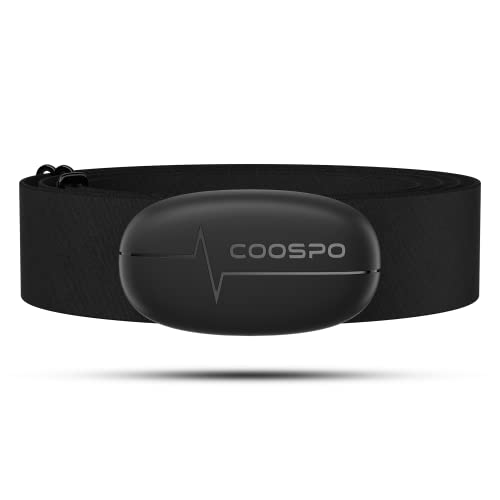
The COOSPO H6 is our best budget pick, the Scosche Rhythm+ 2.0 is the best midrange pick and the Polar H10 is the best premium pick.
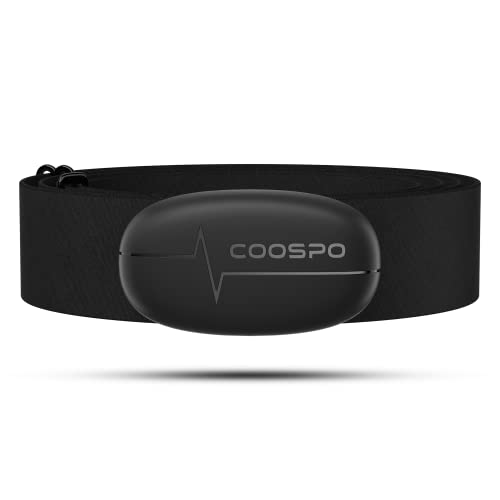
Best Budget Pick: COOSPO H6 Chest Strap
The COOSPO H6 suits beginners, gym goers and indoor cyclists who want accurate heart rate data for little money. At around $30, it connects over both Bluetooth and ANT+, works with popular apps such as Strava, Wahoo and Zwift and pairs with many sports watches, bike computers and gym machines, including Peloton bikes.
Its strengths are dual band connectivity and long battery life, with up to around 300 hours of use from a coin cell according to COOSPO. The limitation is that it is only splash resistant, rated IP67, and not meant for swimming.
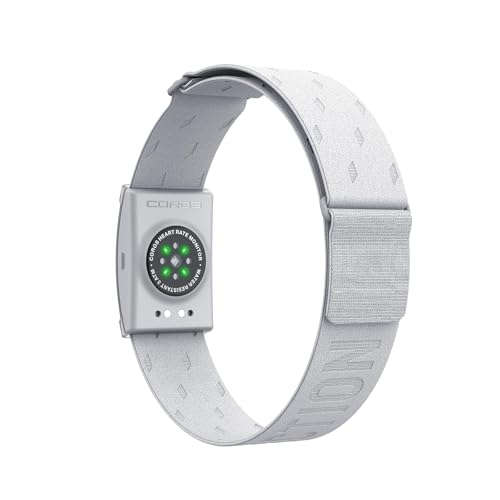
Best Midrange Pick: Scosche Rhythm+ 2.0 Armband
The Scosche Rhythm+ 2.0 suits runners, cyclists and gym users who dislike chest straps. At around $50, it is an optical armband worn on the forearm, bicep or tricep that pairs via Bluetooth or ANT+.
Its strengths are comfort, an HRV mode that captures RR interval data for recovery insights and up to 24 hours of battery with IP68 water resistance. The limitation is that optical sensors can lag behind chest straps during sudden intensity changes such as sprints and intervals.

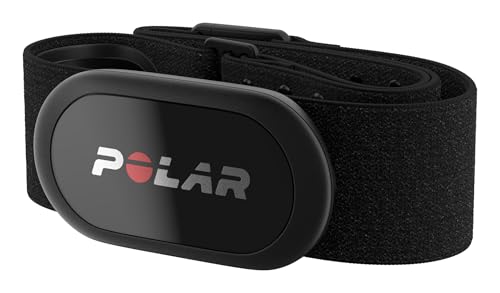
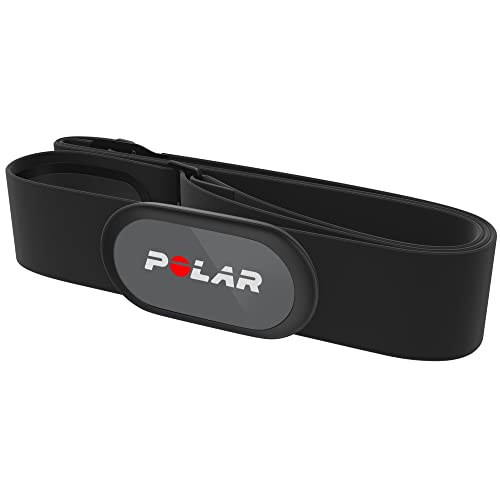
Best Premium Pick: Polar H10 Chest Strap
The Polar H10 suits serious athletes, coaches and data lovers who want the most accurate heart rate readings. At around $104, Polar calls it the most accurate heart rate sensor in its history.
Its strengths are Bluetooth, ANT+ and 5 kHz connectivity, the ability to connect to multiple devices at once, internal memory for recording sessions without a phone and full waterproofing. The improved Pro chest strap with silicone dots reduces slipping. The limitation is the higher price compared with basic straps.

What Your Money Gets You at Each Price Tier
Here is what to expect at each level.
Budget Tier: Around $25 to $40
Budget chest straps and armbands offer Bluetooth and often ANT+, accurate heart rate during steady exercise and compatibility with most apps and devices. Straps may be less comfortable, water resistance is limited and app support is basic, but they are excellent value for most people.
Midrange Tier: Around $45 to $80
The sweet spot. Expect more comfortable straps, optical armbands with rechargeable batteries, HRV features, better water resistance and support for connecting to more than one device. Brands at this level often have better firmware and app integration.
Premium Tier: Around $90 and Up
Premium chest straps add top accuracy, internal memory, swimming support, multiple simultaneous connections and advanced metrics such as running dynamics on some brands. Spending more pays off for serious training, racing and coaching.
Features Worth Paying For (and Ones to Skip)
Here is what matters most.
Sensor Type: Chest Strap vs Optical Armband
Chest straps measure the heart's electrical signals and are the gold standard for accuracy, especially during intervals and lifting. Optical armbands use light to measure blood flow and are more comfortable but can lag during sudden changes. Wrist based watches are convenient but usually less accurate during intense workouts.
Connectivity: Bluetooth and ANT+
Bluetooth connects to phones and many watches, while ANT+ connects to Garmin devices, bike computers and some gym equipment. Dual band sensors work with almost everything, and multi connection support lets you pair a watch and an app at the same time.
Battery Type and Life
Coin cell straps last months between battery swaps; rechargeable armbands need charging every day or two of use. Choose based on whether you prefer occasional replacements or regular charging.
Water Resistance and Swimming
Swimmers need sensors rated for swimming that can store data, since Bluetooth does not work well underwater. Many budget straps are only sweat and rain resistant.
Comfort and Fit
Soft, adjustable straps with silicone grips prevent slipping. Armbands should fit snugly without cutting off circulation.
Skip: Flashy Extras You Will Not Use
LED zone indicators and proprietary apps can be nice, but compatibility with the watch or app you already use matters far more.
Heart Rate Monitor Types Compared
| Type | Best For | Pros | Cons | Typical Price |
|---|---|---|---|---|
| Chest Strap | Accuracy, intervals, cycling | Most accurate, long battery | Less comfortable for some | around $25 to $110 |
| Optical Armband | Comfort, running, gym | Comfortable, rechargeable | Can lag during sprints | around $35 to $80 |
| Wrist Watch | All day tracking | Convenient, many features | Less accurate in hard efforts | around $50 to $500+ |
| Personal EKG | Home rhythm checks | Records heart rhythm on demand | Not for continuous workout tracking | around $65 to $130 |
Best Heart Monitors for Specific Needs
Different goals call for different devices.
Best Home Heart Monitors
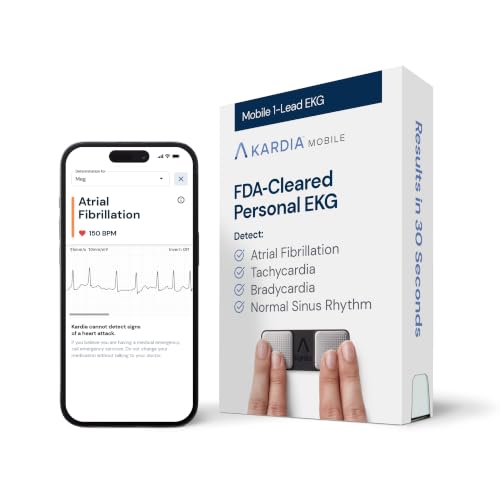
For checking heart rhythm at home, personal EKG devices such as the KardiaMobile record a short electrocardiogram through your fingertips and a smartphone app. They are designed to detect signs of conditions such as atrial fibrillation and to share recordings with your doctor. They do not replace medical care, and anyone with chest pain, fainting or severe symptoms should seek emergency help.
For Cyclists and Indoor Training
Chest straps with ANT+ and Bluetooth work best with bike computers, smart trainers and apps such as Zwift, where accurate data drives training zones.
For Runners
Runners who train with intervals benefit from chest straps, while easy runners may prefer the comfort of an armband.
For Gym and HIIT
Chest straps handle rapid heart rate changes during HIIT and lifting more accurately than wrist sensors.
For Older Adults and Cardiac Rehab
People returning to exercise after illness or following a cardiac rehab plan often use heart rate monitors to stay within ranges set by their care team. Comfortable armbands or soft chest straps that pair with a simple phone app work well. Always follow the targets your doctor or rehab team provides.
For Team Sports and Coaching
Coaches and teams use chest straps that connect to group training apps to monitor effort across players. Sensors that support multiple connections and onboard memory are useful when phones are not allowed on the field.
How to Use Heart Rate Zones
Heart rate zones divide effort into ranges, often five zones based on a percentage of your maximum heart rate. Easy aerobic training in zones 1 and 2 builds endurance, while zones 4 and 5 improve speed and power. A common rough estimate of maximum heart rate is 220 minus your age, but individual values vary widely, so a supervised assessment or a field estimate gives better zones. Your watch or app can set zones automatically once it has data from your workouts.
Getting Accurate Readings
- Moisten chest strap electrodes with water before workouts.
- Wear the strap snugly just below the chest muscles.
- Position armbands on the forearm or upper arm, not over bone.
- Pair through your app or watch rather than phone Bluetooth settings.
- Replace batteries when readings become erratic.
What Is Heart Rate Variability?
Heart rate variability (HRV) measures the small differences in time between heartbeats. Higher HRV generally reflects good recovery, while a sudden drop can suggest stress, poor sleep, illness or overtraining. Chest straps and some armbands record the beat to beat intervals that apps use to estimate HRV. Tracking it each morning helps many athletes decide whether to train hard or take an easy day. Treat HRV as a trend over weeks rather than reading too much into a single number.
Using Heart Rate Data for Fitness Goals
For general fitness and weight management, spending most cardio time in easier zones builds endurance and burns fat as fuel, while short bursts in higher zones improve fitness quickly. Heart rate data also keeps you honest: easy days stay easy and hard days are hard enough. For recovery, watching resting heart rate trends can reveal when you need rest, since an elevated morning heart rate often follows hard training, poor sleep or illness.
Common Mistakes to Avoid
- Wearing a strap too loose, which causes dropouts and spikes.
- Skipping electrode moistening at the start of a workout.
- Buying a Bluetooth only strap for an ANT+ only bike computer.
- Relying on the 220 minus age formula for precise training zones.
- Not washing the strap, which degrades the electrodes over time.
Care and Maintenance Tips
Rinse chest straps with water after every workout and machine wash the fabric strap occasionally, following the manufacturer's instructions and always removing the sensor pod first. Let straps air dry and never put them in a dryer. Store armbands clean and dry, charge them regularly and wipe the optical sensor gently. Keep spare coin cell batteries for chest straps before important races or rides.
Long Term Costs to Factor In
Coin cell batteries are inexpensive but need replacing every few months to a year. Chest straps wear out and may need replacing every year or two with heavy use, and replacement straps cost less than a whole new sensor. Some apps charge subscriptions for advanced analysis, and personal EKG devices may offer optional paid plans for extra features.
FAQs
These are the questions buyers ask most.
Which is better for beginners, a chest strap or an armband?
Beginners who want accurate zones should start with an affordable chest strap. If you have tried a strap and found it uncomfortable, an optical armband is a great alternative that you will be more likely to wear consistently.
Can I use a heart rate monitor with my phone only?
Yes. Most Bluetooth monitors work with free apps such as Strava or the brand's own app, showing live heart rate, zones and workout history without a watch.
Are chest straps more accurate than watches?
Yes, especially during intervals, lifting and cold weather. Chest straps measure electrical signals directly, while wrist sensors rely on optical readings that can be affected by movement and fit.
How long do heart rate monitors last?
The sensor pod can last many years, while straps typically last one to two years of regular use. Optical armband batteries slowly lose capacity over several years.
Can a heart rate monitor detect heart problems?
Workout heart rate monitors are not designed to diagnose conditions. Personal EKG devices can detect signs of some rhythm problems, but always discuss results and symptoms with a doctor.
Will a chest strap work with my Peloton or treadmill?
Many straps with Bluetooth or ANT+ connect to Peloton bikes and modern treadmills. Check the compatibility list for your equipment.
Can I wear a heart rate monitor while swimming?
Only models rated for swimming, ideally with onboard memory, because Bluetooth signals do not travel well through water. Check the water resistance rating before swimming.
Do I need ANT+?
If you use a Garmin device or bike computer, ANT+ is helpful. Phone only users can rely on Bluetooth.
Whichever of the best heart monitors you choose, wearing it consistently and reviewing trends over time will tell you far more than any single workout.
The Bottom Line
The three things that matter most are choosing the right sensor type, compatibility with your watch, apps or equipment and a fit you will actually wear. Budget buyers will do well with a dual band chest strap, comfort seekers should try an optical armband and serious athletes should invest in a premium chest strap. Use this guide to choose the best heart monitors for your goals, then check the product table above for current prices. For all day tracking, see the best running watches.


