
Best Home Cinema Projectors: Budget, Midrange, and Premium Picks
Disclosure: We may earn a commission when you buy through links on this page, at no extra cost to you. As an Amazon Associate I earn from qualifying purchases. Learn more

Home cinema projectors sorted by budget, with three picks and setup advice.
A projector can throw a 100 to 150 inch picture onto a wall or screen for less than the price of a large TV, turning a living room or basement into a real home cinema. Prices run from a few hundred dollars for portable models to more than $4,000 for premium 4K laser projectors, and knowing what each tier delivers keeps you from overspending or ending up with a dim, washed out picture. This guide sorts the best home cinema projectors by budget, from entry 1080p models to laser projectors built for dedicated theater rooms.
You will find three picks, a breakdown of what money buys at each price tier, the features worth paying for, the long term costs to plan for and answers to common questions about screen size, 4K and lifespan.





Top 3 Home Cinema Projectors by Budget
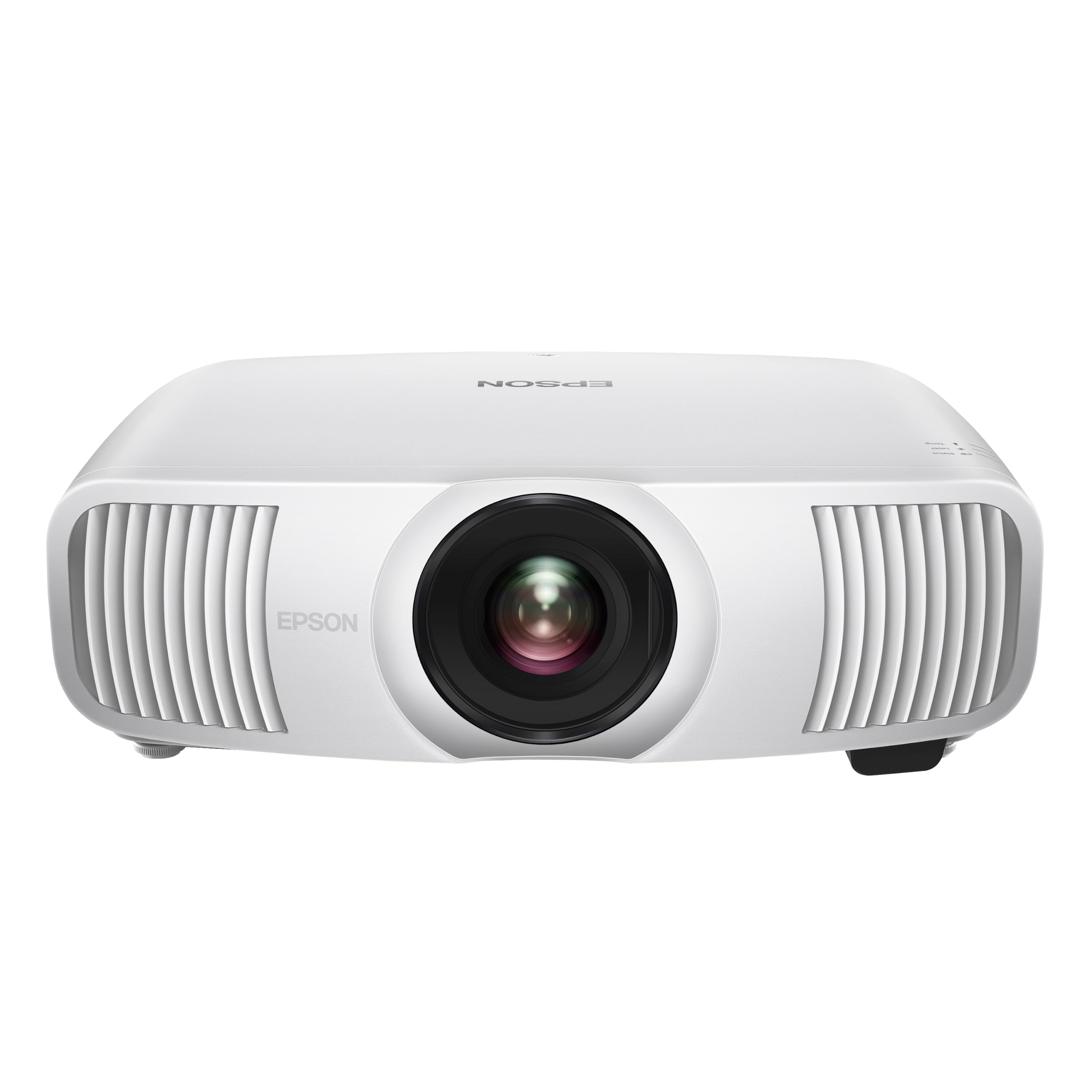
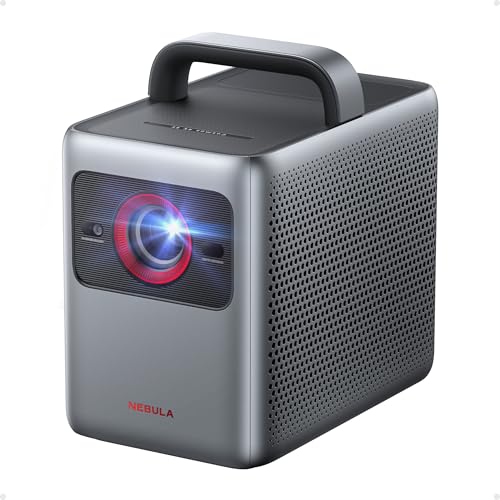
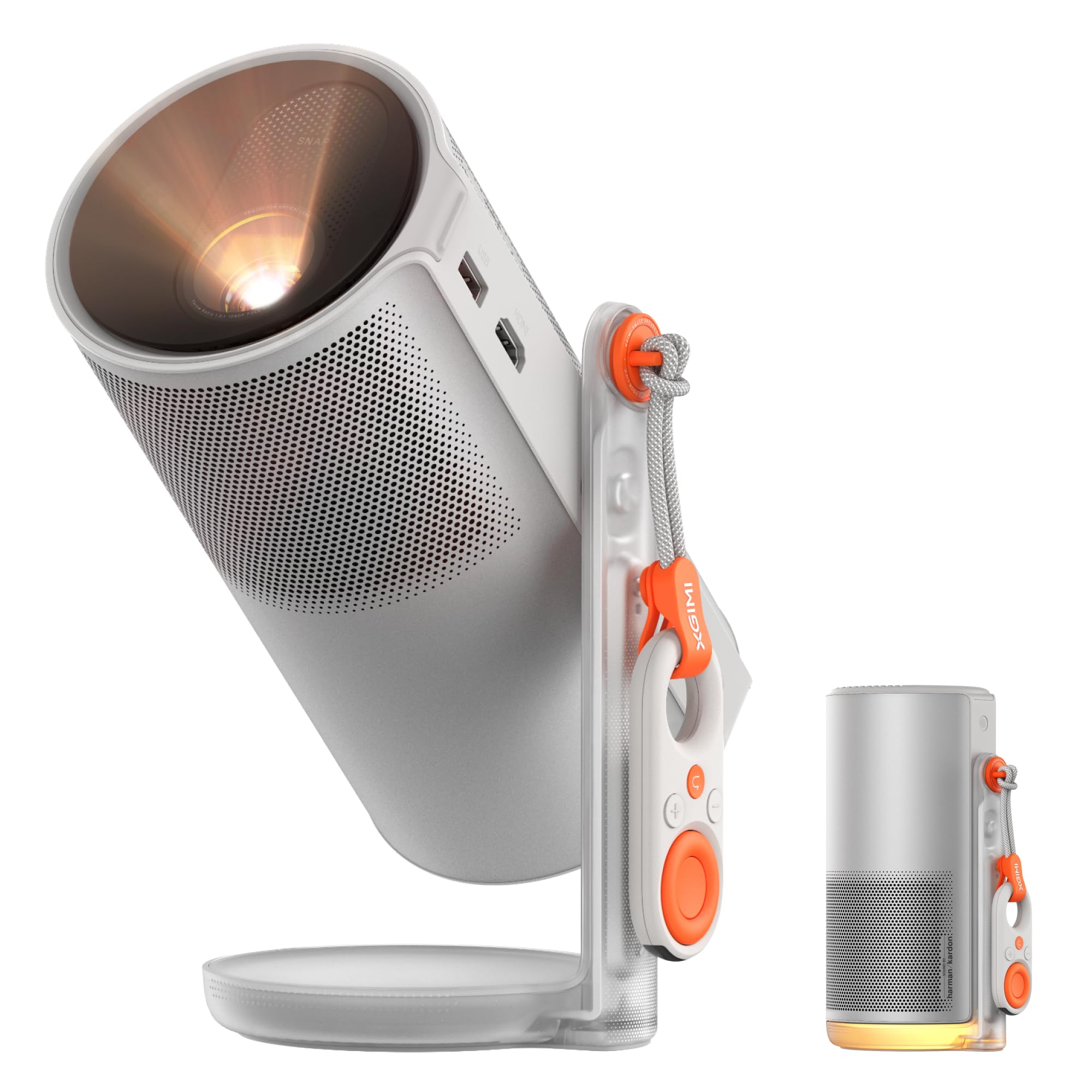
The BenQ TH575 is our best budget pick, the XGIMI HORIZON 20 is the best midrange pick and the Epson Home Cinema LS11000 is the best premium pick for dedicated theater rooms.
Best Budget Pick: BenQ TH575
The BenQ TH575 suits first time projector buyers who want a big, bright picture for movies, sports and casual gaming. At around $749, it is a 1080p home entertainment projector rated at 3,800 lumens with 16ms low latency, according to its listing.
Its two standout strengths are brightness that holds up in rooms with some ambient light, so you are not forced to watch only in total darkness, and low input lag that keeps console games responsive. BenQ is a well established projector brand with good parts support. The limitation is that it is a 1080p projector without 4K or advanced HDR, so fine detail and highlight punch trail more expensive models, and it uses a lamp that will eventually need replacing.

Best Midrange Pick: XGIMI HORIZON 20
The XGIMI HORIZON 20 suits families and movie fans who want 4K, HDR and simple setup in one box. At around $1,399, it uses an RGB triple laser engine rated at 3,200 ISO lumens with a 100,000:1 contrast ratio, plus Dolby Vision, HDR10+, IMAX Enhanced certification and Filmmaker Mode, according to XGIMI.
Its strengths are flexible placement through optical zoom and lens shift, built in Google TV and Harman Kardon speakers that remove the need for extra boxes, and gaming features including VRR, ALLM, 1ms response and up to 240Hz at lower resolutions. A two year warranty adds peace of mind. The limitation is that built in speakers cannot match a dedicated sound system for big rooms, and laser projectors cost more upfront than lamp models.

Best Premium Pick: Epson Home Cinema LS11000
The Epson LS11000 suits dedicated home theater owners who want reference level picture quality. At around $4,298, it is a 4K HDR laser projector from Epson's Home Cinema line, which uses 3LCD technology, so color and white brightness are equal and rainbow artifacts common to some single chip DLP projectors are avoided.
Its strengths are the long lasting laser light source, which removes lamp replacements, and Epson's home theater focus on contrast, color accuracy and installation flexibility for permanent mounting. The limitation is the price and size; it is designed for a mounted installation in a light controlled room rather than casual use in a bright living room.

What Your Money Gets You at Each Price Tier
Budget projectors deliver big 1080p pictures, midrange models add 4K, HDR and laser light, and premium models add the contrast, color accuracy and installation features that dedicated theaters need.
Budget Tier: What to Expect
Around $400 to $900 buys 1080p lamp projectors from brands like BenQ, Epson and Optoma, often with 3,000 to 4,000 lumens of brightness, and portable laser or LED models like the XGIMI MoGo series. Expect a sharp, bright 100 inch picture in a dim room and decent gaming latency on many models. Trade offs include limited HDR performance, lamps that need replacing after a few thousand hours and fewer placement adjustments such as lens shift. Budget projectors suit casual movie nights, sports parties and kids' rooms.
Midrange Tier: The Sweet Spot for Most Buyers
Around $1,000 to $2,000 buys 4K capable projectors with HDR, including laser models like the XGIMI HORIZON 20 and portable lifestyle projectors like the Hisense C2 and NEBULA Cosmos 4K SE. Many include built in streaming, decent speakers, auto focus and keystone correction. Lamp based 4K models such as the Epson Home Cinema 2350 also sit here. This tier suits most living rooms and family theaters, delivering detail and color that approach a good TV at far larger sizes.
Premium Tier: When Spending More Pays Off
Around $2,000 to $5,000 and up buys high end 4K laser projectors from Epson, Hisense, XGIMI's Pro line and others, with higher brightness, better contrast, wide color gamut, motorized lens controls and long laser lifespans. Spending more pays off in dedicated theater rooms with screens of 120 inches or larger, where black levels and color accuracy are easy to see. For a casual living room, the midrange tier usually delivers better value.
Features Worth Paying For (and Ones to Skip)
Pay for enough brightness for your room, real 4K or good pixel shifting, HDR with tone mapping and flexible placement; skip inflated lumen claims and gimmicky extras.
Stand, Mounting, and Placement
Placement flexibility saves money and frustration. Optical zoom and lens shift let you move the image without tilting the projector, keeping the picture geometrically correct. Digital keystone correction is convenient but reduces sharpness. Short throw and ultra short throw models sit close to the wall, ideal for small rooms. Check the throw ratio to make sure the projector fits your room: a 1.2:1 ratio needs about 10 feet of distance for a 100 inch image.
Imaging Technology (3LCD, DLP, Laser, LED)
3LCD projectors, used by Epson, produce equal color and white brightness and avoid the rainbow effect some viewers see with single chip DLP. DLP projectors, used by BenQ, Optoma and XGIMI, offer sharp images and fast response. Light sources matter too: lamps are cheapest upfront but dim and need replacement, while laser and LED sources last 20,000 hours or more with steady brightness. Triple laser models offer the widest color.
HDR and Brightness
Brightness, measured in ANSI or ISO lumens, decides how big and how bright your picture can be. Aim for about 2,000 lumens or more for a dark room and 3,000 or more for rooms with some light. Be skeptical of very high lumen numbers on cheap projectors, which often use inflated measurement methods. HDR support helps, but projectors cannot match TV brightness, so good tone mapping matters more than HDR logos. Dolby Vision and HDR10+ support, like on the XGIMI HORIZON 20, improve scene by scene adjustments.
Refresh Rate and Input Lag
For gaming, input lag matters more than refresh rate. Look for game modes with 16ms or lower lag at 1080p, like the BenQ TH575, and support for 120Hz or higher at 1080p, VRR and ALLM on newer models. For movies, 24p playback without judder and good motion handling matter more than high refresh rates.
Choosing Home Cinema Projectors for Your Situation
Match the projector to your room: bright 1080p or laser models for living rooms with some light, 4K laser models for dedicated dark rooms and portable models for flexible use around the house and outdoors.
Best Home Cinema Projectors under 50: Where Your Money Goes
Shoppers searching for the best home cinema projectors under 50 dollars should know that projectors at that price are novelty mini models with low brightness, low native resolution and weak sound. They can work for a child's bedroom or casual cartoons on a wall, but they are not real home cinema equipment. For a genuine movie experience, budget at least a few hundred dollars for a portable model like the XGIMI MoGo or around $750 for a bright 1080p projector like the BenQ TH575.
Projector Screen and Room Setup Tips
- Use a real screen: a matte white or gray screen improves brightness, contrast and uniformity over a painted wall.
- Control light: blackout curtains dramatically improve contrast; ambient light rejecting screens help in living rooms.
- Size for your seats: a common guideline is to sit about 1.3 to 1.6 times the screen width away for 4K.
- Plan sound: a soundbar or speaker system is essential for a cinema feel in larger rooms.
- Mount securely: ceiling mounts should be rated for the projector's weight and installed into joists.
Projector vs TV for a Home Cinema
| Factor | Projector | Large TV |
|---|---|---|
| Screen size per dollar | 100 to 150 inches for $750 to $2,000 | 85 inches often costs $1,000 to $3,000+ |
| Bright room viewing | Needs light control or ALR screen | Excellent |
| Black levels | Good in dark rooms, best on premium models | Excellent on OLED and Mini LED |
| Setup | Screen, mount, sound and cable planning | Plug in and watch |
| Space | Disappears when not in use | Always visible on the wall |
If you watch mostly at night and want a true cinema scale picture, a projector delivers far more size for the money. If you watch daytime TV in a bright room, a large TV remains the easier choice.
Long Term Costs to Factor In
Beyond the projector, budget for a screen (around $100 to $1,000 or more), a ceiling mount, long HDMI cables rated for 4K, a sound system and possibly blackout curtains. Lamp projectors need replacement lamps, typically every 3,000 to 5,000 hours in normal mode, at roughly $75 to $300 each. Laser and LED projectors avoid lamp costs and last 20,000 hours or more, which can offset their higher price over time. Filters on some models need occasional cleaning.
Frequently Asked Questions
What size should I get for my room or desk?
Most home cinemas use screens from 100 to 135 inches. Measure your wall and seating distance, then check the projector's throw ratio to confirm it can fill that size from where it will sit. In small rooms, a short throw projector delivers a large image from just a few feet away. Projectors are not practical for desk use; a monitor is better there.
DLP vs 3LCD: which is better?
Both can deliver excellent home cinema images; the choice depends on your eyes and priorities. 3LCD projectors offer equal color and white brightness and no rainbow effect. DLP projectors offer sharp images, fast response for gaming and compact designs. If you are sensitive to rainbow artifacts, choose 3LCD or a triple laser DLP model.
Does refresh rate matter for non gamers?
For movies, refresh rate matters less than smooth 24p playback and good motion processing. Most projectors handle film content well at standard rates. High refresh rates and low input lag matter mainly for gaming and fast sports.
Is 4K worth it?
Yes, 4K is worth it on screens of 100 inches or more. At large sizes, extra resolution shows clearly, especially from 4K Blu-ray and streaming. Many projectors use pixel shifting to display 4K, which delivers most of the benefit at lower cost than native 4K chips.
How long do they last?
Lamp projectors run about 3,000 to 5,000 hours per lamp; laser and LED projectors often last 20,000 hours or more. At a few hours a day, a laser projector can last many years before brightness noticeably fades. Keeping filters and vents clean extends life for any projector.
Can a projector replace a TV?
A projector can replace a TV for movies and sports, especially in light controlled rooms. Bright laser projectors with built in streaming work well as everyday displays, but TVs still win for daytime viewing in bright rooms and for quick, casual use.
Do I need a projector screen?
A screen is not required, but it noticeably improves the picture. A smooth, matte white or gray screen reflects light evenly, boosting brightness and contrast compared with a textured or colored wall. Ambient light rejecting screens help in living rooms where you cannot fully darken the space.
Our Verdict
Choose by room and budget: a bright 1080p projector for casual viewing, a 4K laser model for most living rooms and a premium laser projector for dedicated theaters. The BenQ TH575 delivers a big picture on a budget, the XGIMI HORIZON 20 offers the best balance of 4K, HDR and convenience and the Epson LS11000 rewards serious home theater builders. Keep those tiers in mind and the best home cinema projectors will bring the movie theater home. Compare current models in the product table above, and see our guide to the best sounding soundbars to complete your setup.


