
Best Mid Range Speakers for Home: Our 2026 Checklist and Buyer Guide
Disclosure: We may earn a commission when you buy through links on this page, at no extra cost to you. As an Amazon Associate I earn from qualifying purchases. Learn more

Choosing the best mid range speakers for home? Learn how room size, cabinet build, impedance and connections decide which pair sounds right in your space.
Filling your home with rich, lifelike music should not require turning your living room into a recording studio or spending five figures on esoteric audio gear. Yet many people who upgrade from a small smart speaker end up disappointed because they buy speakers with a boomy upper bass hump that muddies conversation, narrow treble dispersion that only sounds good in one chair, or demanding 4 Ohm crossovers that make a stereo receiver run hot. Finding the best mid range speakers for home listening (typically around $300 to $1,200 per pair) comes down to reading the acoustic specs rather than trusting lifestyle marketing photos.
Before you order a pair for your living room, den, or open concept kitchen, run any candidate through the checklist below. It covers frequency linearity, cabinet construction, room volume matching, and connectivity. The comparison table shows the picks that fit these standards.


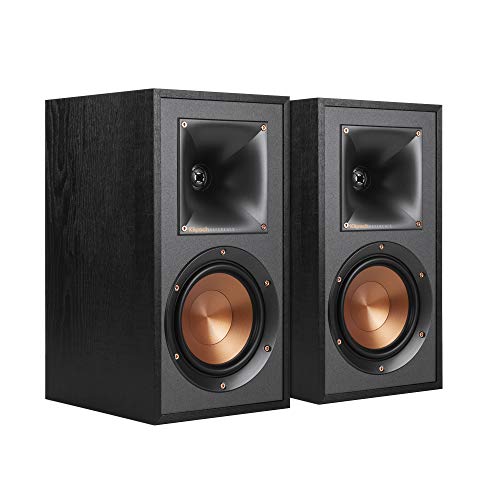

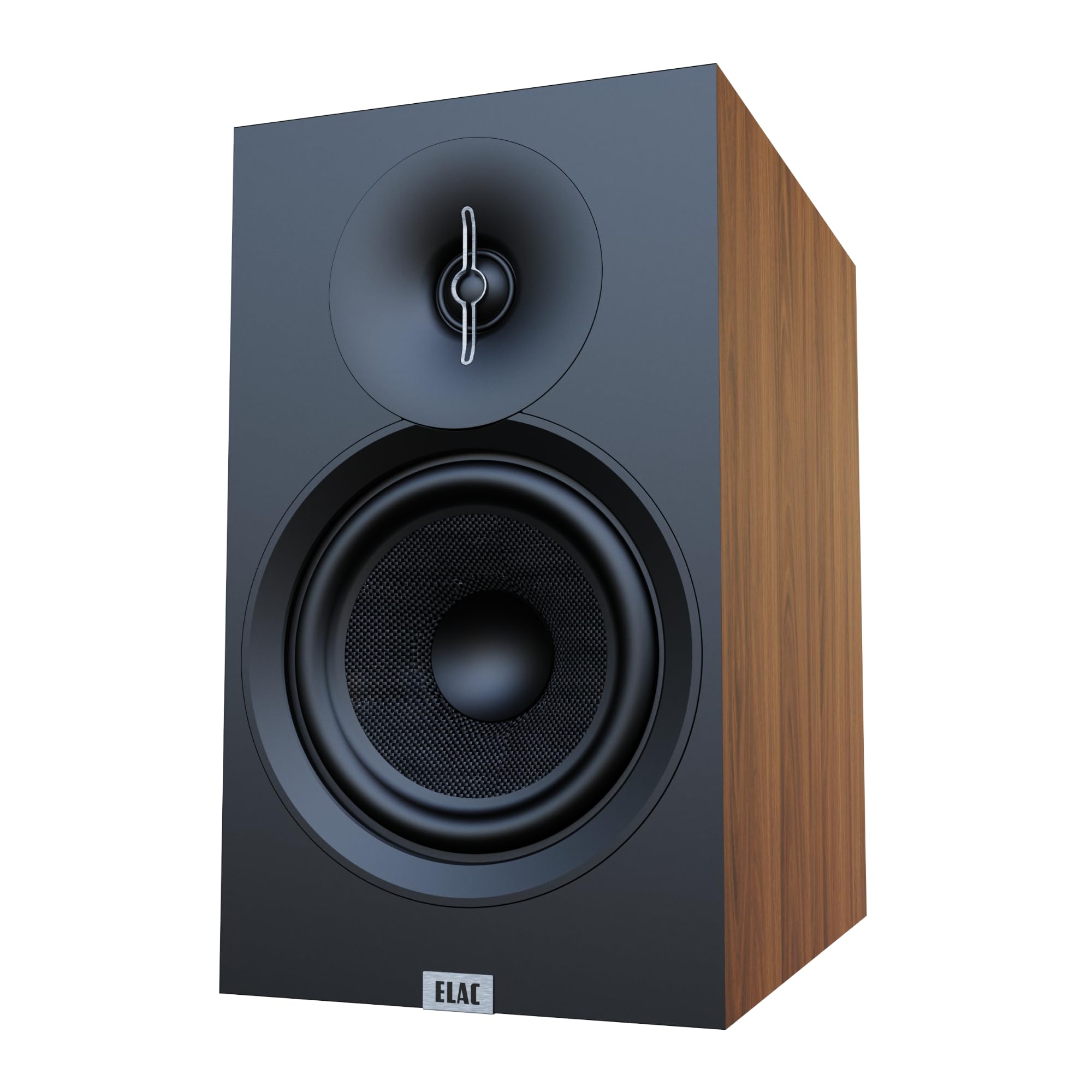

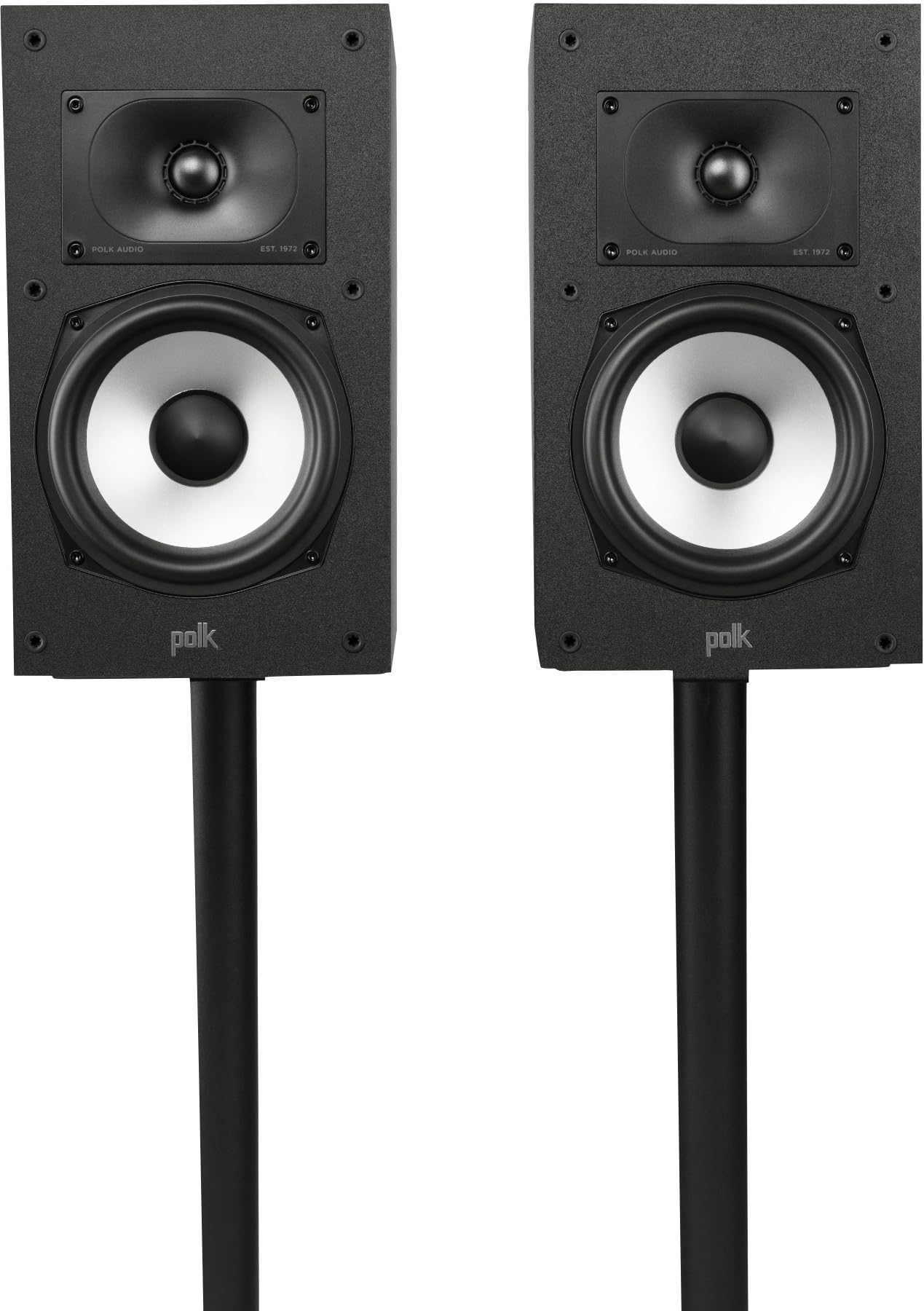

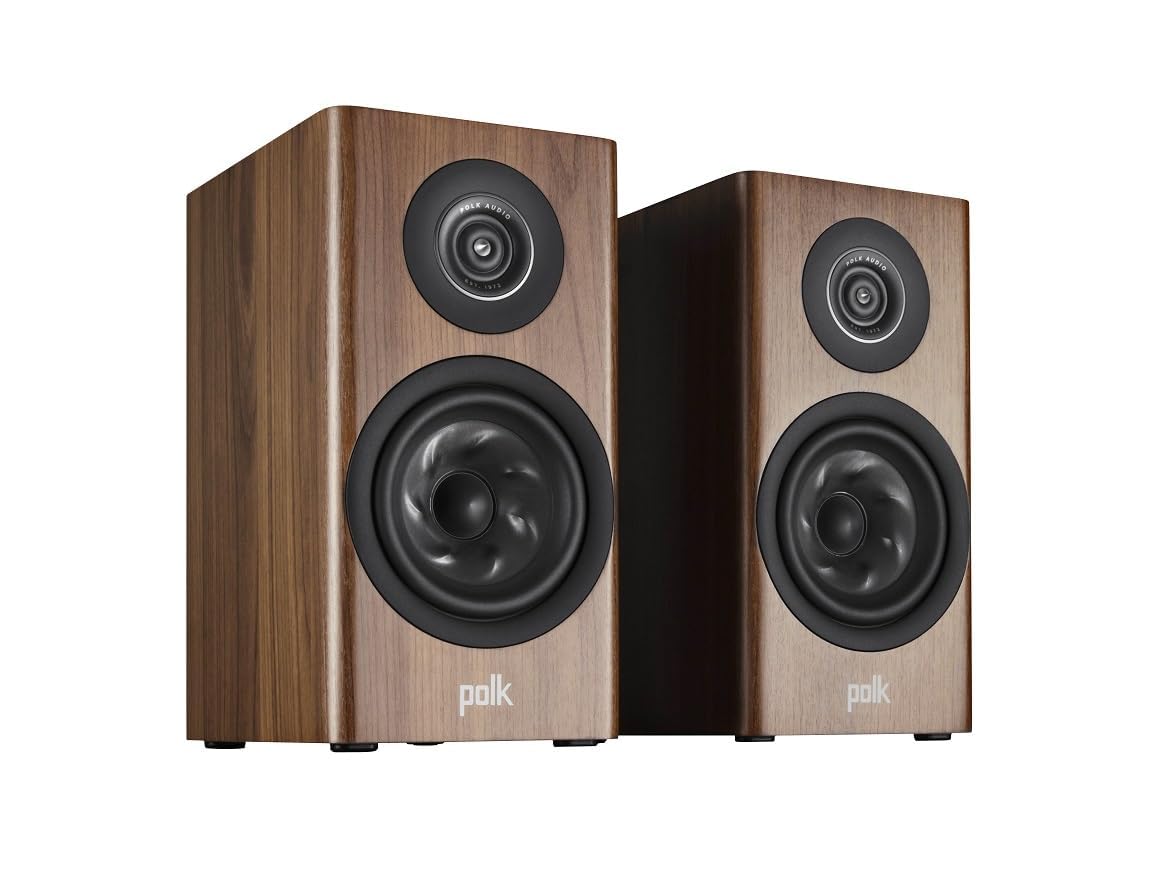
What to Look for in Mid Range Speakers for Home
A home speaker has to sound natural across an entire room, not just for one person. Unlike nearfield studio monitors meant for a single listener sitting three feet away, it must work whether you are centered on the sofa, cooking dinner off to the side, or hosting friends at the dining table. Seven structural and acoustic points separate good pairs from forgettable ones.
Why Do Frequency Linearity and Off Axis Dispersion Matter?
A smooth frequency response and wide, even dispersion are the best predictors of natural sound in a furnished room. Look for a response stated within plus or minus 3 decibels from roughly 50 Hz to 20,000 Hz, paired with smooth horizontal dispersion out to 30 and 45 degrees off center.
A large share of the sound reaching your ears in a living room is reflected from side walls, floor, and ceiling. If the woofer beams narrowly around 2,000 Hz just before handing off to a tweeter, the reflected sound has a hole in the upper midrange, and pianos and voices sound hollow as you move around. Tweeter waveguides or concentric drivers help keep tonality smooth across the whole sofa.
How Do You Match Speaker Size to Room Size?
Match the woofer surface area to the room volume: bigger rooms need more cone area or a subwoofer. Approximate guidance:
- Small rooms, offices, and bedrooms (100 to 180 sq ft): Compact 2 way standmount or shelf speakers with a 5.25 inch woofer (or active stereo monitors), which avoid exciting boomy corner room modes.
- Medium living rooms and dens (180 to 350 sq ft): Larger 6.5 inch standmount speakers on 24 inch stands or slim 2.5 way floorstanding towers.
- Large great rooms and open concept spaces (350 to 600+ sq ft): Dual 6.5 inch or dual 8 inch 3 way towers, or a 2.1 system pairing standmounts with a 10 to 12 inch powered subwoofer.
What Cabinet Build Should You Look For?
Look for rigid, braced cabinets, ideally 0.75 inch (18mm) MDF or better. When a woofer pushes air forward, equal energy pushes back into the cabinet, and thin walls of about 0.375 inch (10mm) particleboard with no bracing flex and add a hollow, boxy coloration to male voices and cello notes.
A simple check is the knuckle wrap test: rapping the side panel should give a dull, short thud rather than a hollow ring. Internal cross braces that tie opposite walls together and polyester or wool damping inside the box are good signs in the spec sheet or in buyer teardown photos.
Does the Crossover Quality Make a Difference?
Yes, because the crossover decides how smoothly the woofer and tweeter hand off. Budget speakers often use cheap electrolytic capacitors with wide tolerance swings that can drift as they age, and iron core inductors that saturate on loud peaks.
At this price tier, makers that mention polypropylene film capacitors, air core inductors in the treble path, and well matched slopes are usually putting money where it counts. Not every brand publishes this, so treat it as a bonus rather than a requirement.
Which Sensitivity and Impedance Suit Home Amplifiers?
Aim for a minimum impedance above about 4 Ohms and a sensitivity of roughly 86 to 91 dB (at 2.83V / 1 meter). Many homes run a stereo integrated amplifier of 40W to 80W per channel or a multi channel receiver, and a speaker labeled "8 Ohms nominal" that dips far lower can make a standard receiver run hot, clip, or sound strained at volume.
Higher sensitivity means the same amplifier plays louder with less effort, which helps in larger rooms. These are 4 to 8 Ohm indoor designs, so they are not interchangeable with 12V vehicle door speakers.
Passive or Active: Which Connections Do You Need?
Choose passive if you already own an amplifier or receiver, and active if you want a simpler setup that connects straight to a TV or phone. Each path has its own hardware to check.
For passive speakers, look for sturdy 5 way metal binding posts rather than spring clips, which accept 12 AWG bare wire, spade lugs, and 4mm banana plugs. For active powered speakers, look for HDMI ARC/eARC for a television, an optical input, analog RCA (ideally with a phono stage if you own a turntable), a subwoofer output for later bass expansion, and WiFi streaming such as AirPlay 2, Chromecast, or Spotify Connect alongside Bluetooth.
Why Do Baffle Edges and Grilles Matter?
Grilles stay on most of the time in family homes to protect cones from pets, kids, and dust, so their design affects treble. Thick plastic grille frames can create a lip around the tweeter that reflects high frequencies and causes uneven peaks and dips.
Look for chamfered (beveled) cabinet edges, flush mounted drivers, and woven cloth grilles held by hidden magnets, which tend to stay out of the sound's way.
Quick Buyer Checklist
Run through these yes or no questions before ordering speakers for your home.
- Have you confirmed whether the speakers are passive (requiring a separate amp) or active (amplifiers built in)? Choose the format that matches your existing living room gear.
- Is the woofer size and cabinet style matched to your room's square footage? Pick 5.25 to 6.5 inch bookshelf models for small and medium rooms, and dual woofer towers for spaces over 300 square feet.
- Where is the bass reflex port relative to your furniture? If the speakers will sit within 6 inches of a wall or inside a built in shelf, choose front ported or sealed cabinets (or use foam port plugs).
- Does the speaker include a tweeter waveguide for wide sofa coverage? This helps everyone on the couch hear clear vocals, not just the person in the center.
- If connecting to a TV, does the active speaker (or your amp) include HDMI ARC and a subwoofer output?
- Are the cabinets built from braced MDF rather than thin resonant plastic?
- If buying floorstanding towers, is the price listed per pair or per single speaker? Always verify quantity before checkout.
Red Flags to Watch For
Steer clear of any home speaker listing that shows these four warning signs.
- Frequency response claims without a "plus or minus 3 dB" window: A claim like "30 Hz to 35,000 Hz" with no decibel limit is usually measured far down the curve, so the lowest notes may be barely audible. Honest listings state something like "48 Hz to 22 kHz (plus or minus 3 dB)."
- Spring clip wire terminals on speakers costing over $200: Flimsy plastic push tabs that only accept thin wire suggest budget hardware throughout.
- Multiple tiny tweeters crammed onto one baffle: Three or four small tweeters stacked together can cause comb filtering that hurts vocal clarity; one good dome or ribbon tweeter in a waveguide is usually the better design.
- Very light cabinet weight for the size: A 6.5 inch bookshelf speaker weighing only 6 pounds, compared with a typical 13 to 18 pounds, likely has thin walls and a small magnet.
Setup and Care Tips
Even good mid range speakers lose clarity if placed poorly. These habits cost little and help a lot, and they matter most if you later expand to a surround layout.
- Add an area rug between the speakers and your sofa: Bare hardwood, laminate, or tile floors bounce midrange and treble up to your ears just after the direct sound, smearing vocal focus. A plush rug and curtains absorb early reflections better than a pricey cable upgrade.
- Pull shelf mounted speakers flush to the front lip of your credenza: Avoid leaving several inches of flat shelf sticking out in front of the baffle.
- Angle the speakers slightly toward the listening spot: A small toe in of 10 to 20 degrees sharpens the center image, and keeping tweeters near ear height when seated helps clarity.
- Dust cones and dome tweeters only with a dry microfiber duster or soft brush: Never press a finger on a silk or metal dome, and never spray glass cleaner onto woofer cones or rubber surrounds.
Building a Home Around Your Speakers
Frequently Asked Questions
How long do mid range home speakers last?
Passive mid range home speakers commonly last 20 years or more when the driver surrounds and crossover capacitors are in good condition. Active wireless speakers typically last 8 to 15 years, because the built in amplifier and streaming electronics age sooner than the drivers.
What size speakers do I need for a 200 to 300 square foot living room?
A pair of 6.5 inch standmount bookshelf speakers is a good fit, ideally with a compact 10 inch subwoofer for deeper bass. A slim pair of floorstanding towers with 5.25 or 6.5 inch woofers will also fill the space comfortably.
Are two stereo speakers better than a similarly priced soundbar?
For music, usually yes. A pair of left and right speakers placed 6 to 8 feet apart gives wider stereo imaging, larger woofer cones, and clearer vocal separation than a narrow single bar at a similar price, around $400 to $800, though a soundbar is simpler to install.
Do I need expensive audiophile speaker cables?
No, standard 12 AWG or 14 AWG copper speaker wire is enough for most home runs, and a 50 foot spool costs around $25 to $45. Spend your budget on the speakers and on room placement instead of exotic cables.
Can I mix different brands of speakers in the same room?
In separate rooms, such as a kitchen and a bedroom, mixing brands is fine. In one listening setup, however, the left and right speakers (and a center channel, if used) should be the same brand and series so voices do not change tone as they pan across the room.
Final Thoughts
Bringing good sound into your home comes down to braced cabinets, smooth off axis dispersion, and driver sizes matched to your room volume. Whether you choose plug and play active speakers with HDMI ARC or passive bookshelf and floorstanding models driven by a stereo amp, the best mid range speakers for home turn everyday playlists and movie nights into something special. Compare the picks in the table above to find the right pair for your space.


