
Best 10 Inch Bass Guitar Speakers for 2026: How to Pick One
Disclosure: We may earn a commission when you buy through links on this page, at no extra cost to you. As an Amazon Associate I earn from qualifying purchases. Learn more

Best 10 inch bass guitar speakers explained: power and ohms, sensitivity, magnet type, cone tone, and raw drivers versus cabinets.
A ten inch bass speaker gives a tight, articulate low end that suits cabinets built for clarity, and the best 10 inch bass guitar speakers balance power handling, sensitivity, and tone. This guide explains how to match a driver or cabinet to your amplifier and your style of playing.
The product table near the top lists current bass speakers and cabinets, including raw drivers and complete cabinets. Compare prices there, then use the sections below to choose.


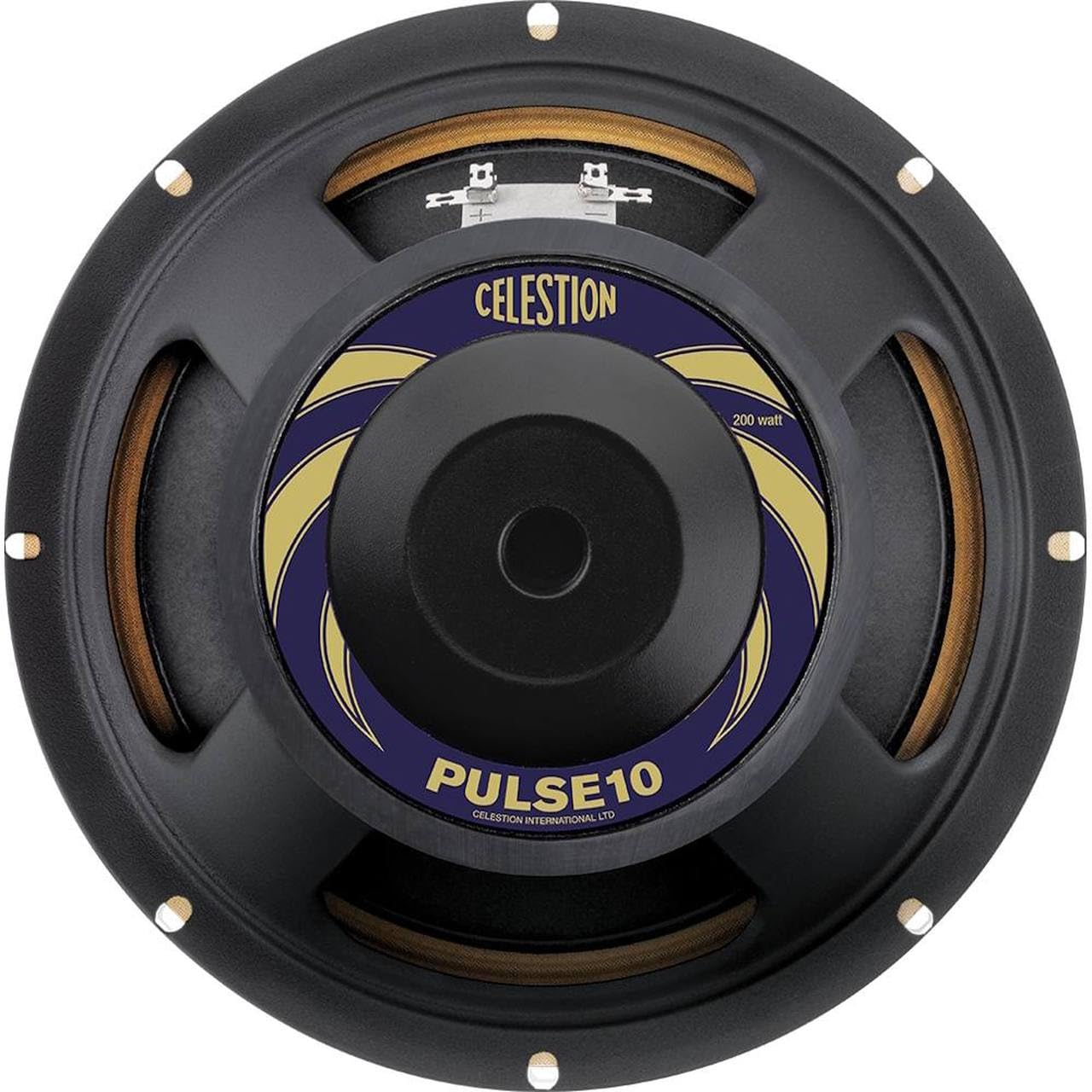


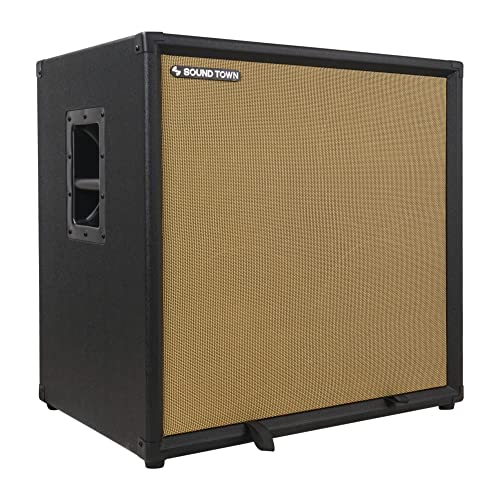
Why Choose 10 Inch Bass Speakers
Ten inch cones respond faster than fifteen inch cones, which gives a punchy attack and clear note definition. Many players use cabinets with several ten inch speakers to get both punch and volume, and others pair a ten with a tweeter for more top end.
The trade off is less deep low end from a single driver, which is why four ten inch cabinets are so common on stage.
Best 10 Inch Bass Guitar Speakers: Power and Impedance
Match the speaker's power rating to your amplifier. Use the RMS or continuous figure, not the peak figure, and choose a speaker that handles at least as much as your amp delivers. Underpowered speakers can be damaged by a big amp, and a larger rating gives headroom.
Impedance matters too. Common ratings are 4, 8, and 16 ohms, and the total load must match what your amp can drive. Wiring speakers in series or in parallel changes the load, so check the arithmetic before you plug in.
Sensitivity and Volume
Sensitivity measures how loud a speaker is for a given amount of power. A higher figure means a louder sound from the same amp, which helps in a loud band. Two speakers with the same power rating can differ by a lot in volume.
If you play in a loud band, favor higher sensitivity. For quiet recording, tone matters more than volume.
Magnet Types and Weight
Ceramic magnets are heavy and cost less, and neodymium magnets are much lighter and cost more. Weight matters if you carry a cabinet every week, and a neodymium driver can save several pounds.
Tone differences between magnet types are small compared with the cone and the voice coil.
Cone Material and Tone
Paper cones tend to sound warm and natural, while lighter treated cones can sound brighter. Some bass speakers have a whizzer cone for more top end, and others rely on a separate tweeter.
If you play with a pick or slap, a brighter driver helps. For smooth jazz or reggae, a warm driver is a good choice.
Active and Powered Options
Some ten inch speakers are powered, with built in amplification, which suits players who want a simple setup. A full range active speaker can also double as a stage monitor or a small PA.
These are convenient, but they limit your choice of amp and tone. Decide whether you want a passive speaker with your own amp or an all in one box.
Price and Value
Prices range from budget drivers to boutique models. A mid priced speaker from a respected maker is often the best value, and a premium model rewards players who care about every detail of tone.
Check the warranty and the return policy, and be aware that some drivers need a break in period before they sound their best.
Who Should Choose Which
- Gigging players: a high sensitivity, lightweight driver.
- Home players: a warm toned, modest power model.
- Cabinet builders: raw drivers with matching ratings.
- Beginners: a complete cabinet or powered speaker.
More reading is in the best bass speakers for bass guitar, best 6 inch speakers for bass, best 10 inch speakers, and best 10 inch guitar speakers guides.
Building or Choosing a Cabinet
If you buy raw drivers, the cabinet design matters as much as the speakers. A ported cabinet increases low end output, a sealed cabinet gives a tighter feel, and a larger volume extends the bass response. Follow the maker's recommended volume, and brace the panels to avoid resonance.
If you do not want to build, look for complete cabinets with published sensitivity, impedance, and power ratings. A cabinet with a tweeter and a level control lets you shape the top end to match the room.
Matching Speakers to Your Amp and Bass
A bass with active pickups sends a stronger signal and can sound harsh through a bright speaker, so players often choose a warmer driver. A passive bass with a modest signal may benefit from a more sensitive speaker that adds punch. If you play five string or detuned basses, choose a driver and cabinet that handle deep low notes without flapping.
Consider how you play. Slap players like a clear attack, fingerstyle players like warmth, and pick players like a bit of grit.
Safety and Long Term Care
Bass amps deliver large power, so never run a speaker beyond its rating. Clipping, rather than clean volume, is what damages a bass speaker. Keep the gain structure sensible, and avoid feedback squeals from a loose cable or a poorly placed microphone.
Check the cone and the surround for cracks, and tighten the mounting screws every few months. Store the cabinet in a dry place away from heat.
Mistakes to Avoid
Do not assume a guitar speaker can handle bass, and do not guess the ohms. Do not buy only by price, because a speaker that does not match the amp wastes money. And do not forget the weight, since four ten inch cabinets can be heavy when you carry them up a flight of stairs.
Questions to Ask Before You Order
What power does your amp deliver, and at what impedance? Do you play small rooms or large stages? Do you want a raw driver or a complete cabinet? A few honest answers cut the table down to a short list, and the weight of the final choice usually comes down to tone preference and budget.
FAQs
Can I use a guitar speaker for bass?
Not usually. Bass needs a speaker designed to handle low frequencies and high power.
How many ohms do I need?
Match the total load to your amp's rating.
Is neodymium better?
It is lighter. Tone depends more on the cone.
Do I need a tweeter?
Not always. It adds top end and clarity for some players.
The right pick among the best 10 inch bass guitar speakers depends on your amp and style, so compare the models in the table above before ordering. Prices and availability can change, so check the product page before ordering.


