
Best 10 Inch Guitar Speakers for 2026: Pick by Tone and Amp
Disclosure: We may earn a commission when you buy through links on this page, at no extra cost to you. As an Amazon Associate I earn from qualifying purchases. Learn more

Best 10 inch guitar speakers explained: ohms and watts, ceramic versus alnico tone, sensitivity, break in time, and install tips.
Replacing a guitar amp speaker is one of the cheapest ways to change your tone, and the best 10 inch guitar speakers range from warm vintage voices to tight, modern sounds. This guide explains the specifications that matter and how to match a speaker to your amp.
The product table near the top lists current ten inch guitar speakers from well known makers. Compare prices there and use the sections below to decide.


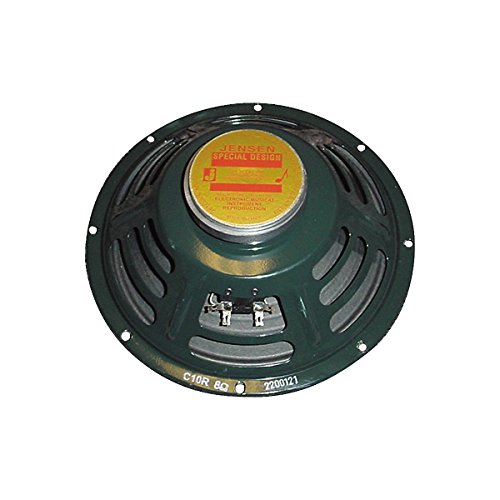


Why Ten Inch Guitar Speakers
Ten inch speakers are common in small and mid sized amps, from vintage style combos to boutique builds. They tend to sound tighter and more focused than twelve inch speakers, with a bit more midrange punch and less low end.
That makes them popular for blues, country, classic rock, and recording, where clarity matters more than sheer weight.
Best 10 Inch Guitar Speakers: Impedance and Power
Match the speaker's impedance to your amp. Common values are 4, 8, and 16 ohms, and a mismatch can stress the amplifier. Check the amp's back panel or manual before ordering.
Choose a power rating that exceeds your amp's output. A speaker with more headroom lasts longer and stays cleaner at high volume, while a lower rated speaker can break up sooner, which some players like.
Tone: Ceramic, Alnico, and Vintage Voices
Ceramic magnet speakers are tight and punchy, while alnico magnet speakers are known for a smoother, more compressed feel at high volume. Vintage style speakers are voiced to sound warm and slightly breakup prone.
The best way to choose is by listening to sound samples and reading player comments for the style of music you play.
Sensitivity and Breakup
Sensitivity measures volume. A high sensitivity speaker sounds louder with the same amp, which helps in a band. A lower sensitivity speaker needs more power for the same volume and often sounds smoother.
Breakup describes how the speaker behaves when pushed. Some speakers stay clean at high volume, and others compress and sing, which many players love for lead tones.
Break In Time
New speakers often sound stiff and bright at first. Play them for several hours at moderate volume and the cone loosens, smoothing the tone. Judge a new speaker after it has settled in, not on the first night.
Keep the old speaker if you may want to switch back.
Installation Tips
Unplug the amp, discharge it if needed, and note the wiring before removing the old speaker. Check that the mounting holes match and the new speaker fits. Use the same polarity when connecting the wires.
If you are unsure, a local repair shop can install it quickly and safely.
Price and Value
Guitar speakers range from affordable to boutique. A mid priced model gives most of the benefit, and premium models offer refinement. For the money, a speaker swap is among the best tone upgrades you can make.
Check the warranty and the return policy.
Who Should Choose Which
- Blues and vintage tone seekers: an alnico or vintage voiced speaker.
- Rock and lead players: a high sensitivity ceramic speaker.
- Recording players: a smooth, balanced speaker.
- Budget buyers: a mid priced replacement that fits the amp.
See also the best 10 inch speakers, best 10 inch midrange speakers, best 10 inch powered speakers, and best 10 inch bass guitar speakers guides.
Matching a Speaker to Your Amp Style
Small tube combos often benefit from an efficient speaker that breaks up gently, because it lets the amp sound lively at low volume. Solid state amps and amps with modeling usually sound best with a clean, stable speaker that does not add much color. If you are swapping a speaker in a vintage amp, check whether the original was a ceramic or alnico type, and decide whether you want to stay close to that sound or change direction.
Players who record at home often prefer a smooth, balanced speaker because it sits well under a microphone. Gigging players usually want volume and projection, which points to high sensitivity models.
Using a Pair or Several Speakers
Some cabinets use two ten inch speakers, and mixing two different models is a classic trick. A bright speaker paired with a warm speaker can give a more complex tone than either alone. Wire them so the total impedance still matches the amp, and keep the polarity the same on both.
When you change a speaker in a multi speaker cabinet, replace them as a set whenever you can. Speakers age differently, and mismatched pairs can sound uneven.
Recording and Microphone Placement
A ten inch speaker has a smaller sweet spot than a twelve, so moving a microphone a few inches can change the tone a lot. Try placing it near the center of the cone for a brighter sound and near the edge for a warmer one. Point it slightly off axis to tame harshness.
If you are replacing a speaker for recording, listen through headphones while moving the microphone. A few minutes of listening saves hours of fixing a poor take later.
Mistakes to Avoid
Do not install a speaker that is rated well below the amp's output, and do not guess the impedance. Do not judge the sound in the first hour, because the cone needs time to settle. And do not throw away the original speaker, since it keeps the amp's value if you ever sell it.
Questions to Ask Before You Order
What is your amp's impedance and wattage? Do you play clean or heavily distorted tones? Do you play at home, in the studio, or on stage? Matching your answers to the table above narrows the choice, and sound samples help you decide between two similar speakers.
Price Ladder at a Glance
Guitar speakers run from budget replacements to boutique voices. Most players find a mid priced model delivers the biggest improvement per dollar, and premium models are worth it only if you can hear and use the difference. Compare warranties and return policies, since tone is subjective.
FAQs
Will a new speaker change my tone?
Yes, it is one of the largest tone changes you can make.
How do I know the impedance?
Check the amp's back panel or manual.
Is more wattage better?
More headroom helps, but tone matters more.
Do I need to break it in?
Yes, play it for several hours.
The right pick among the best 10 inch guitar speakers depends on your amp and the tone you chase, so compare the models in the table above before ordering. Prices and availability can change, so check the product page before ordering.


