
Best 10 Inch Midbass Speakers for 2026: Complete Buying Guide
Disclosure: We may earn a commission when you buy through links on this page, at no extra cost to you. As an Amazon Associate I earn from qualifying purchases. Learn more

Best 10 inch midbass speakers explained: what the driver does, power and sensitivity, impedance, cabinet design, and car audio use.
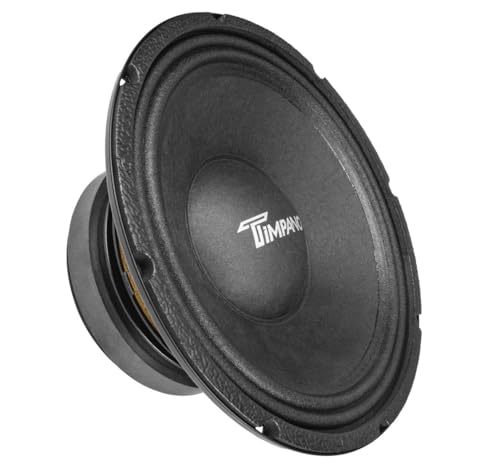
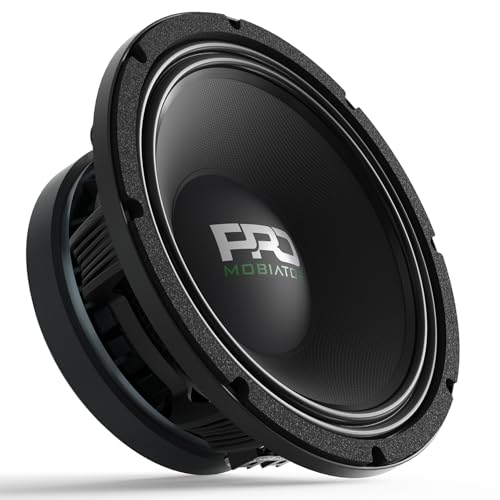
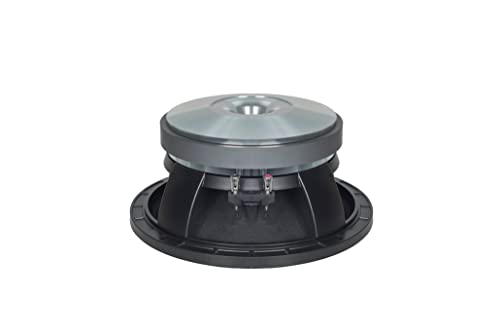
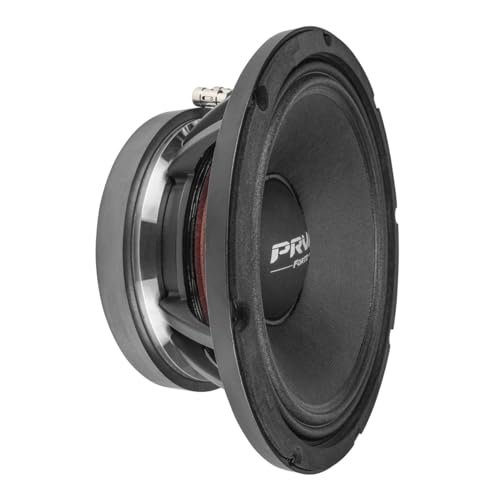
A midbass driver fills the gap between a subwoofer and a midrange horn, and the best 10 inch midbass speakers deliver punch, clarity, and the power handling pro sound systems need. This guide explains what a midbass driver does and how to match one to your cabinet.
The product table near the top lists current ten inch midbass drivers from pro audio makers. Compare prices there and use the sections below to decide.



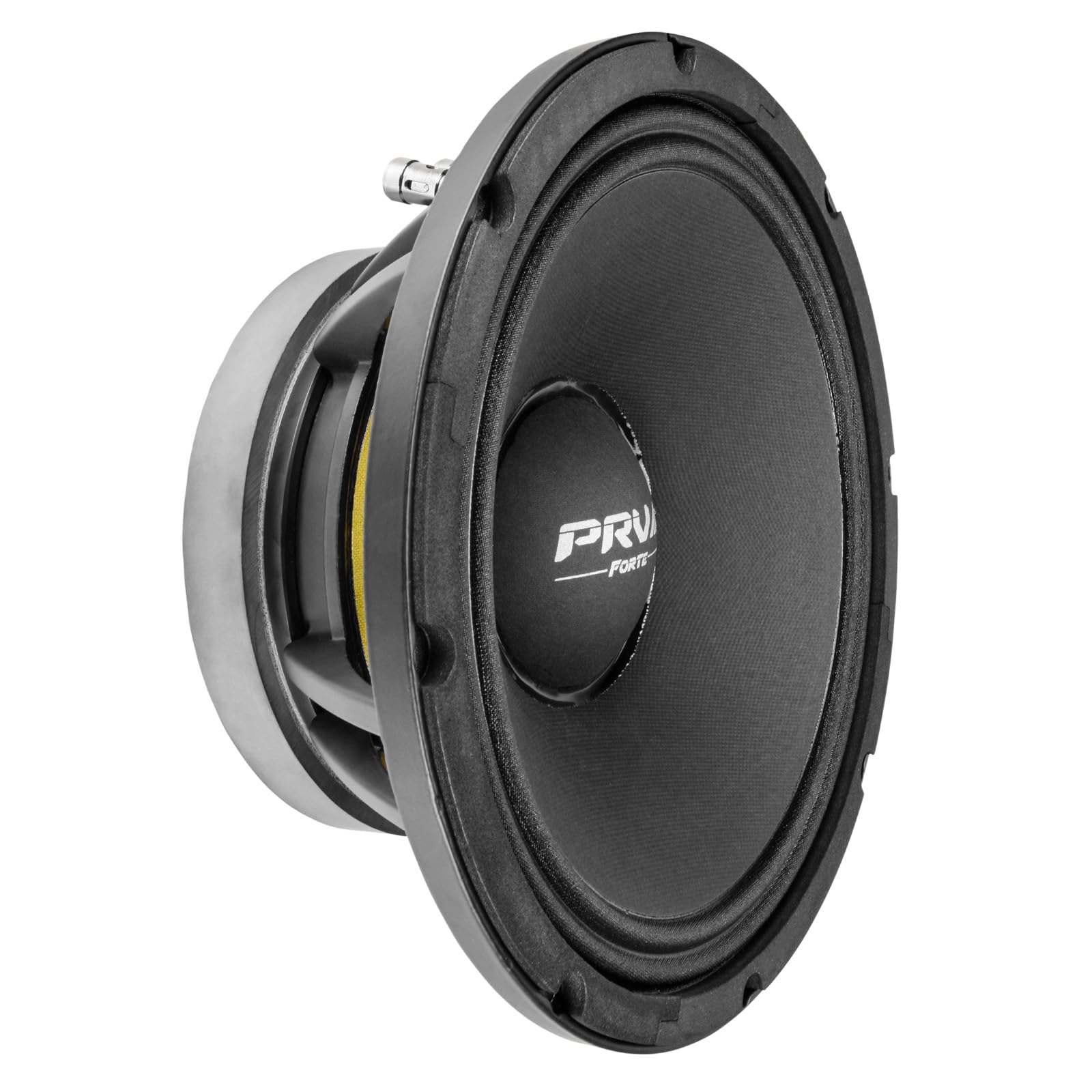
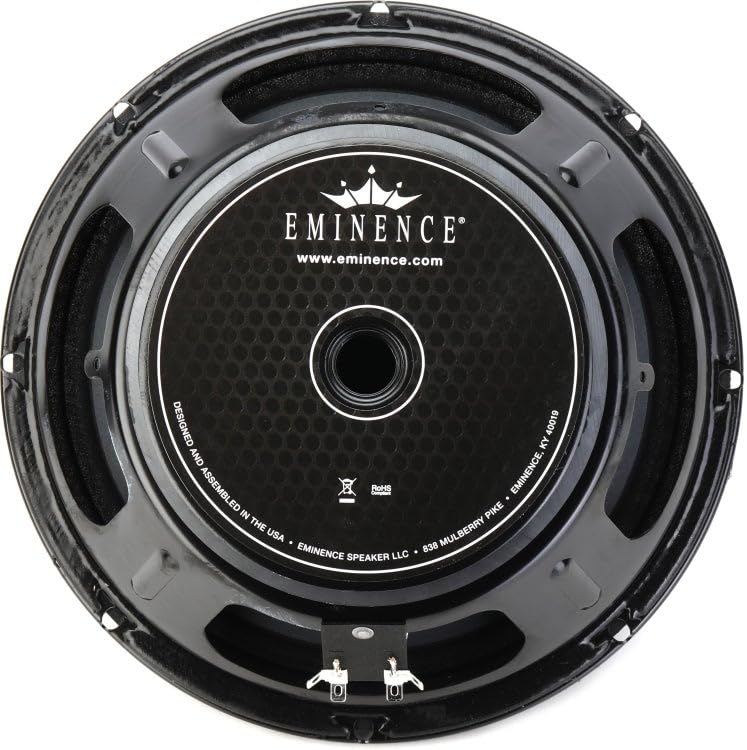
What a Midbass Driver Does
A midbass speaker covers the lower midrange and upper bass, roughly the range of kick drum punch and the body of voices and guitars. It sits between a woofer and a horn in a three way system, or serves as the main driver in a compact two way design.
A ten inch size gives good speed and clarity, so the sound feels tight rather than boomy.
Best 10 Inch Midbass Speakers: Power and Sensitivity
Look at power handling in continuous watts and sensitivity in decibels. A higher sensitivity means more volume from the same amplifier, which is valuable in live sound. Some drivers list large peak numbers, but the continuous rating tells you what the driver really handles.
Choose a driver with power handling above your amplifier's output to leave headroom.
Impedance and Voice Coil
Most midbass drivers are 8 ohms, though some are 4 ohms. Match the total load to your amp. The voice coil diameter affects power handling and cooling, and a larger coil usually handles more power.
Check the specifications before you buy and make sure they match your crossover design.
Cone, Basket, and Build
Paper cones are common and give a natural, quick sound. Aluminum and steel baskets are rigid and handle heat. Look for a sturdy basket if you plan to use the driver in a touring cabinet.
Some drivers have a shorting ring or an aluminum cap to improve distortion and extend the range.
Cabinet and Crossover
A midbass driver needs the right cabinet volume and a crossover tuned to its range. The driver's data sheet lists recommended enclosure sizes. Using the wrong cabinet changes the sound and can reduce power handling.
If you are not building cabinets yourself, look for a complete powered speaker that includes this work.
Use in Car Audio and Pro Sound
Midbass drivers appear in pro sound cabinets and in competition car audio systems. For a car, check the mounting depth and the basket size. For live sound, consider weight and durability.
Always verify that the driver is intended for your use.
Price and Value
Prices range from affordable to premium pro audio drivers. Mid priced drivers from respected makers offer strong value, and premium models add refinement and higher power handling. Check the warranty, the seller, and the return policy.
Who Should Choose Which
- Cabinet builders: a driver with published specifications.
- Live sound techs: a high sensitivity, rugged model.
- Car audio fans: a driver rated for your enclosure.
More reading appears in the best 10 inch powered speakers, best 8 inch midbass speakers, best 10 inch midrange speakers, and best 10 inch speakers guides.
Building a Cabinet Around a Midbass Driver
A cabinet for a midbass driver can be sealed, ported, or horn loaded, and each choice changes the sound. A sealed enclosure gives a tight, controlled response, a ported design adds output and efficiency in the low range, and a horn gives high efficiency with a larger box. The driver's data sheet suggests the volume and tuning for each style.
Build the cabinet from sturdy plywood or medium density fiberboard, brace the panels, and seal the joints with glue. A rigid, airtight cabinet prevents rattles and keeps the sound clean at high levels.
Pairing With Woofers and Horns
In a three way system, a midbass driver is crossed over to a subwoofer below and a horn or tweeter above. Pick the crossover points so that the midbass operates inside its comfortable range, and use a processor or a passive crossover designed for the combination. Poorly chosen crossovers cause dips and peaks that no driver can fix.
Check the phase between drivers and flip the polarity of one driver if the combined output sounds thin. A short run with a pink noise track and a measurement microphone shows problems quickly.
Power, Heat, and Reliability
Midbass drivers work hard in pro systems because they carry much of the punch. Look for a vented pole piece, a quality voice coil former, and a sturdy basket. A driver that keeps its temperature under control holds its tone and lasts longer on a long night.
Use a limiter, and keep the amplifier's output within the driver's rating. Replace damaged drivers in pairs where possible so the left and right sides stay matched.
Common Mistakes to Avoid
Do not buy a driver only because it has the largest number in the title. Do not forget to check the mounting cutout and the depth. Do not skip a high pass filter, and do not forget that a perfect driver in a poor cabinet still sounds poor. A few measurements before buying save a lot of trouble later.
Questions to Ask Before You Order
What cabinet volume do you have available, and what power will each driver receive? Does the driver's frequency range match the crossover plan? Is the impedance compatible with your amplifier?
Write the answers down, and use them to filter the table above to two or three drivers. That short list is much easier to compare on price and warranty.
Ask the seller about the return policy as well, because speaker drivers are heavy and shipping a wrong choice back is expensive.
Price Ladder at a Glance
Midbass drivers range from budget models to premium pro audio brands. A mid priced driver from a respected maker usually offers the best balance of sound, power handling, and support.
FAQs
What is the difference between midbass and midrange?
Midbass covers lower frequencies and delivers more punch. Midrange focuses on vocals and instruments.
How many ohms do I need?
Match your amplifier and crossover.
Can I use it in a car?
Yes, if it fits and the enclosure is right.
Do I need a crossover?
Yes, for multi way systems.
The right pick among the best 10 inch midbass speakers depends on your cabinet and power, so compare the models in the table above before ordering. Prices and availability can change, so check the product page before ordering.


