
Best Cameras for Film Photography: Every Type Explained Side by Side
Disclosure: We may earn a commission when you buy through links on this page, at no extra cost to you. As an Amazon Associate I earn from qualifying purchases. Learn more

Film camera types compared, from disposables to SLRs, with three picks and advice on film and developing.
Film photography is booming again. People love the grain, the colors, the anticipation of waiting for prints and the way a limited roll makes every shot count. The camera choice has grown too, from one time use disposables to new half frame point and shoots, modern film cameras from Pentax and Kodak and classic used SLRs. This guide to the best cameras for film photography compares every type side by side, explains film formats and costs, and shows which camera suits beginners, hobbyists and enthusiasts.
The short answer: beginners should start with a simple reusable 35mm point and shoot or a half frame camera, which is affordable, easy and doubles the shots per roll; hobbyists who want sharper results and some control should choose a premium point and shoot or new half frame camera with zone focus, and enthusiasts who want full creative control should look at a used 35mm SLR with interchangeable lenses.



Our Top 3 Picks at a Glance
For a quick starting point, these three cameras cover different budgets and skill levels.
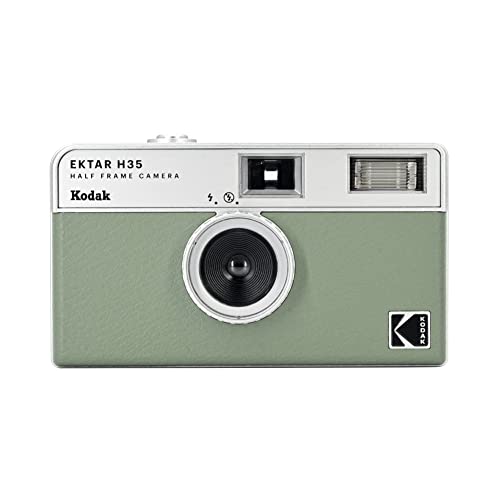
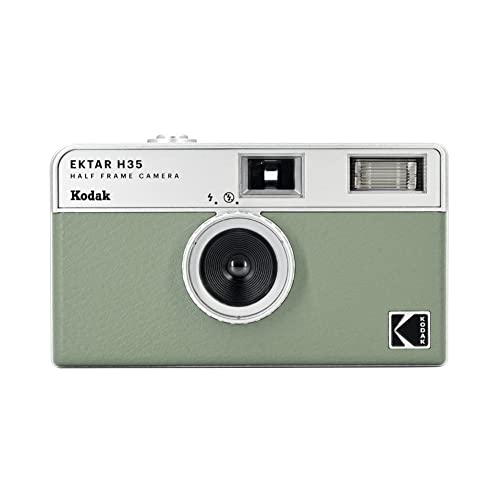
Best for beginners: the KODAK EKTAR H35 Half Frame Film Camera, around $50, is a pocket size, focus free 35mm camera with a built in flash that gets roughly 72 half frame photos from a 36 exposure roll.
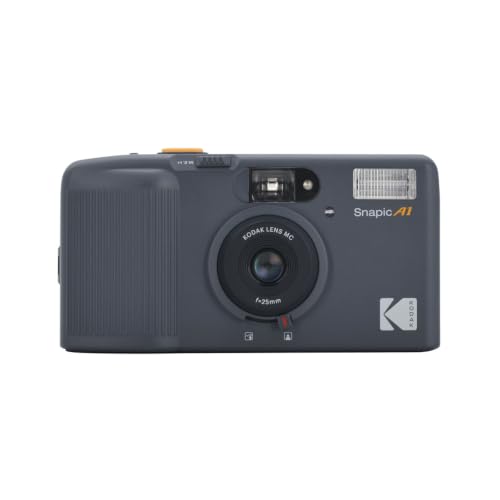
Best everyday 35mm: the KODAK Snapic A1, around $99, is a reusable, lightweight 35mm film camera with 2 zone focus for sharper portraits and landscapes than fixed focus models.

Best premium pick: the PENTAX 17, around $497, is a new half frame 35mm film camera from a classic camera brand, designed for enthusiasts who want a modern, well built film camera.

Types of Cameras for Film Photography Compared
Film cameras come in several types. Here is how they compare at a glance.
| Type | Best For | Pros | Cons | Typical Price |
|---|---|---|---|---|
| Disposable | Parties, trying film | Cheap, no setup | One roll only, basic quality | around $15 to $25 |
| Reusable Point and Shoot | Beginners, everyday | Simple, light, reusable | Limited control | around $35 to $120 |
| Half Frame | Saving film, diaries | Twice the shots per roll | Smaller negatives, less detail | around $50 to $500 |
| 35mm SLR (often used) | Learning photography | Full control, interchangeable lenses | Heavier, may need servicing | around $150 to $600 used |
| Medium Format | Enthusiasts, portraits | Large negatives, superb detail | Expensive film and cameras | around $400 and up used |
Disposable Cameras
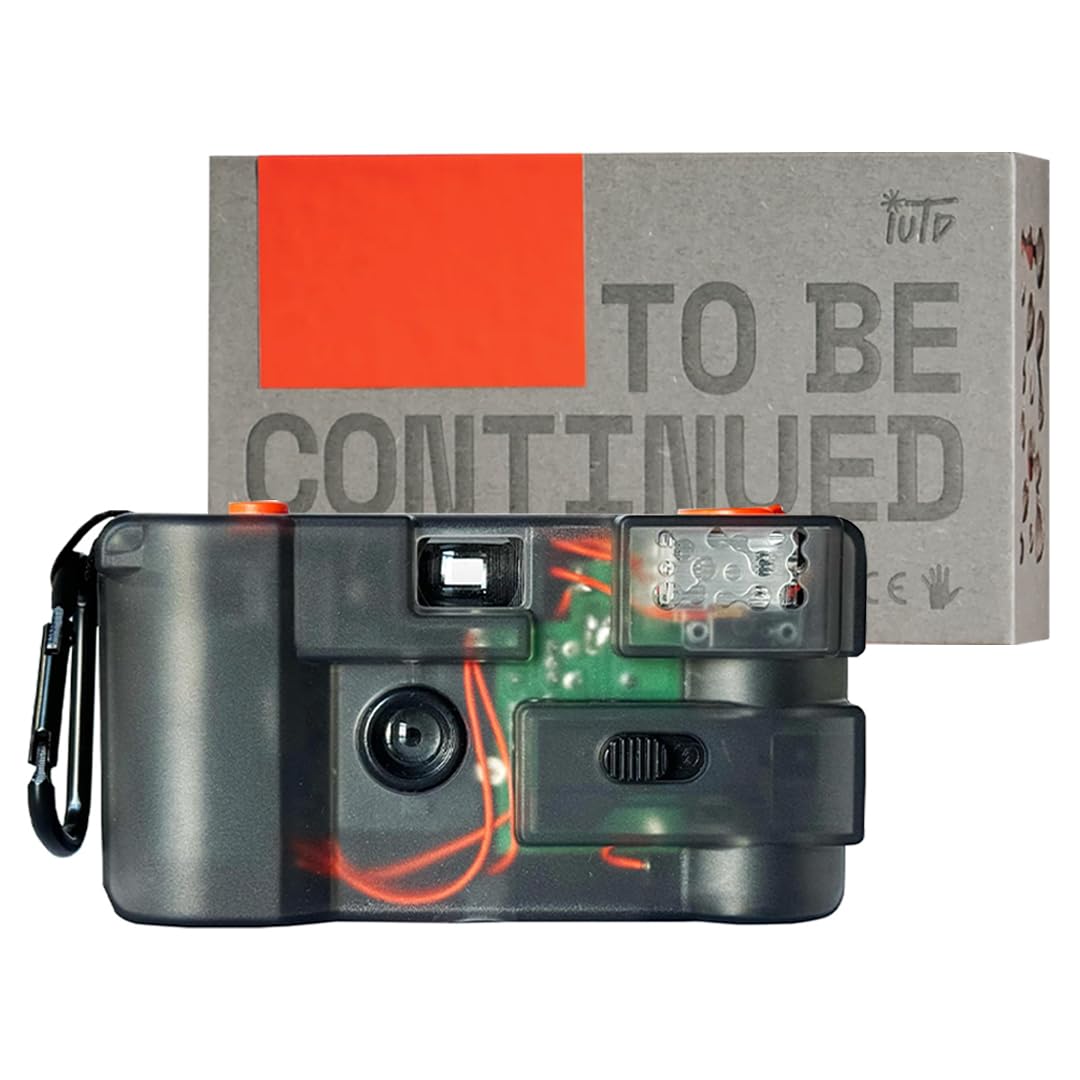
One time use cameras come preloaded with film and a flash. You shoot the roll and hand the whole camera to a lab. They are perfect for weddings, festivals and trying film for the first time without commitment. Image quality is basic, and the cost per roll adds up if you shoot often, so most people move to a reusable camera quickly.
Reusable Point and Shoot Cameras
Reusable point and shoots load standard 35mm film, so you can choose your film stock and shoot as many rolls as you like. Focus free models keep everything simple, while zone focus models let you choose near or far focus for sharper results. They are light, pocketable and ideal for everyday snapshots and travel.
Half Frame Cameras
Half frame cameras record two vertical images on each standard 35mm frame, doubling the number of photos per roll. That makes film more affordable and encourages experimentation, and many people enjoy the diptych look when two frames appear side by side on a scan. The trade off is smaller negatives, so images show more grain and less detail when enlarged.
35mm SLR Cameras
Single lens reflex cameras let you look through the lens and control aperture, shutter speed and focus. Most film SLRs are bought used, and there is a huge range of affordable bodies and lenses. They are the best way to learn exposure and composition properly, but older cameras may need light seal replacement or servicing.
Medium Format Cameras
Medium format cameras use 120 roll film with much larger negatives than 35mm, producing exceptional detail and smooth tones. They are loved by portrait and landscape photographers but cost more to buy and shoot, with fewer frames per roll.
Point and Shoot vs SLR: Which Should You Choose?
Choose a point and shoot if you want fun, spontaneous photos with minimal fuss, carry your camera everywhere or are just discovering film. Choose an SLR if you want to learn photography, control depth of field and motion, or use specialized lenses such as fast primes and telephotos. Many film shooters own both: a compact for daily life and an SLR for deliberate outings.
How to Choose the Right Camera for Film Photography
These factors decide whether a film camera is right for you.
Format: Full Frame or Half Frame 35mm
Full frame 35mm gives larger negatives with more detail; half frame doubles your shots per roll at the cost of resolution. If film cost worries you, half frame is a clever compromise.
Focus System
Focus free cameras use a fixed focus that keeps most scenes acceptably sharp beyond a few feet. Zone focus lets you set near or far, improving sharpness. SLRs and rangefinders let you focus precisely on your subject.
Exposure Control
Simple cameras use a fixed aperture and shutter speed, so they work best with ISO 200 to 400 film in good light. Automatic exposure cameras adjust settings for you. Manual SLRs teach you exposure but require a light meter or practice.
Flash and Low Light Performance
A built in flash is essential for indoor and evening shots with simple cameras. In low light, faster film such as ISO 800 helps, and SLRs with fast lenses let in more light.
Size, Weight and Ergonomics
Pocketable compacts encourage you to carry the camera daily. SLRs are larger and heavier but feel solid and offer comfortable grips for longer shoots.
New vs Used
New film cameras come with warranties and fresh electronics. Used cameras offer more choice and features for the money, but buy from sellers who check shutters, light seals and meters.
Best Cameras for Film Photography by Situation
The best cameras for film photography vary with where and how you shoot, so here is how to match a camera to the moment.
For Travel
Travelers should carry a light, pocketable point and shoot or half frame camera with a built in flash. It slips into a jacket pocket, does not draw attention and survives being tossed in a bag. Half frame cameras stretch a few rolls further on long trips, and ISO 400 film handles most daylight and shade.
For Weddings and Parties
Disposable cameras on tables are a classic way to collect candid guest photos, while a reusable camera with flash lets the host or a friend document the night. Choose ISO 400 or 800 film for indoor venues and keep spare rolls handy.
For Street Photography
Street photographers value small, quiet cameras that are quick to use. Zone focus compacts and rangefinders let you pre set focus and shoot instantly without lifting a big camera to your eye for long.
For Learning Photography
If you want to understand aperture, shutter speed and exposure, a manual or semi automatic 35mm SLR with a 50mm lens is the classic teacher. Every frame becomes a lesson, and used bodies and lenses are widely available.
Buying a Used Film Camera: What to Check
Many great film cameras are only available secondhand, so a little care goes a long way. Ask whether the shutter fires reliably at different speeds, whether the light meter works and whether light seals have been replaced, since crumbling seals cause light leaks. Check the lens for haze, fungus and scratches by shining a flashlight through it. Make sure the film advance and rewind work smoothly and that the battery compartment is free of corrosion. Buying from camera shops or sellers who inspect cameras and offer returns reduces risk, and budget a little extra for a service if the camera has sat unused for decades.
Film vs Digital: Why Choose Film?
Digital cameras are faster and cheaper per photo, so why shoot film? Many people love film's distinctive color, highlight handling and grain, which are hard to imitate perfectly with filters. The limited number of frames encourages slower, more thoughtful photography, and waiting for scans adds anticipation that makes the results feel special. Film negatives also serve as physical archives. Many photographers use digital for everyday needs and film for personal projects, travel and family memories.
Choosing Film Stock
Film stock shapes the look of your photos as much as the camera. ISO 200 color film suits sunny days, ISO 400 is the most versatile all rounder and ISO 800 helps indoors and at dusk. Color negative films like Kodak Gold, Portra and Fujifilm stocks are forgiving and easy to develop. Black and white films offer classic contrast and are easy to develop at home. Slide film delivers vivid colors but needs precise exposure, so it is best saved for experienced shooters.
Developing, Scanning and Running Costs
Every roll costs money twice: once for the film and again for developing and scanning. Many labs offer mail in services that return digital scans by email, plus prints if you want them. Half frame cameras effectively halve the cost per photo. Some photographers develop black and white film at home to save money and enjoy the process. Budget for film and lab fees before you buy a camera, since running costs over a year can exceed the camera price.
Care and Maintenance Tips
Store your camera in a dry, cool place and remove batteries during long storage. Keep film away from heat and airport checked luggage scanners, and refrigerate unused rolls for longer shelf life, letting them warm up before loading. Load and unload film in shade to avoid light leaks. Clean lenses with a blower and microfiber cloth, and have older cameras serviced if you notice light leaks or inconsistent exposures.
FAQs
These are the questions new film photographers ask most.
What features matter most in cameras for film photography?
For beginners, a built in flash, simple controls and a reliable film advance matter most. As you progress, focus control, exposure control and lens quality become more important.
What is half frame and is it worth it?
Half frame cameras take two photos on each 35mm frame, doubling shots per roll. It is worth it if you want lower cost per photo and enjoy shooting a lot, as long as you accept slightly lower detail.
Which is better for low light?
Use faster film such as ISO 800 and a camera with a flash or a fast lens. SLRs with wide aperture lenses handle dim light far better than simple compacts.
What specs matter most for beginners?
Ease of use, a flash, standard 35mm film and a good price matter most. Avoid complex manual cameras until you know you enjoy film.
How much should I spend on my first one?
Around $35 to $100 buys an excellent reusable point and shoot. Save more for film and developing, which are the ongoing costs.
Where can I get film developed?
Local camera stores, some pharmacies and many mail in labs develop 35mm film. Mail in labs usually return high quality scans online within a week or two, plus your negatives.
Is a smartphone enough instead?
Phones can mimic film looks with filters, but real film has its own grain, color and dynamic range, and the slower process changes how you shoot. Many people enjoy both.
Final Thoughts
The three things that matter most are the format you shoot, how much control you want and your budget for film and developing. Beginners will love a simple half frame or reusable point and shoot, hobbyists can step up to zone focus compacts and enthusiasts should explore premium new cameras or used SLRs. Use this guide to choose the best cameras for film photography, then check the product table above for current prices. For instant prints, see the best instant cameras.


