Best Desktop Computer for Small Business in 2026
Disclosure: We may earn a commission when you buy through links on this page, at no extra cost to you. As an Amazon Associate I earn from qualifying purchases. Learn more
How to balance upfront cost against warranty, reliability, and manageability when buying desktops for a small business.
Choosing the best desktop computer for small business use in 2026 means balancing upfront cost against reliability, since a business machine failing during a busy week costs far more than the price difference between a budget and a business-grade computer. Unlike a personal PC purchase, small business buying decisions also need to account for warranty terms, manageability across multiple machines, and how the computer fits into a broader IT setup, even a very small one.

Business-Class vs Consumer Desktops
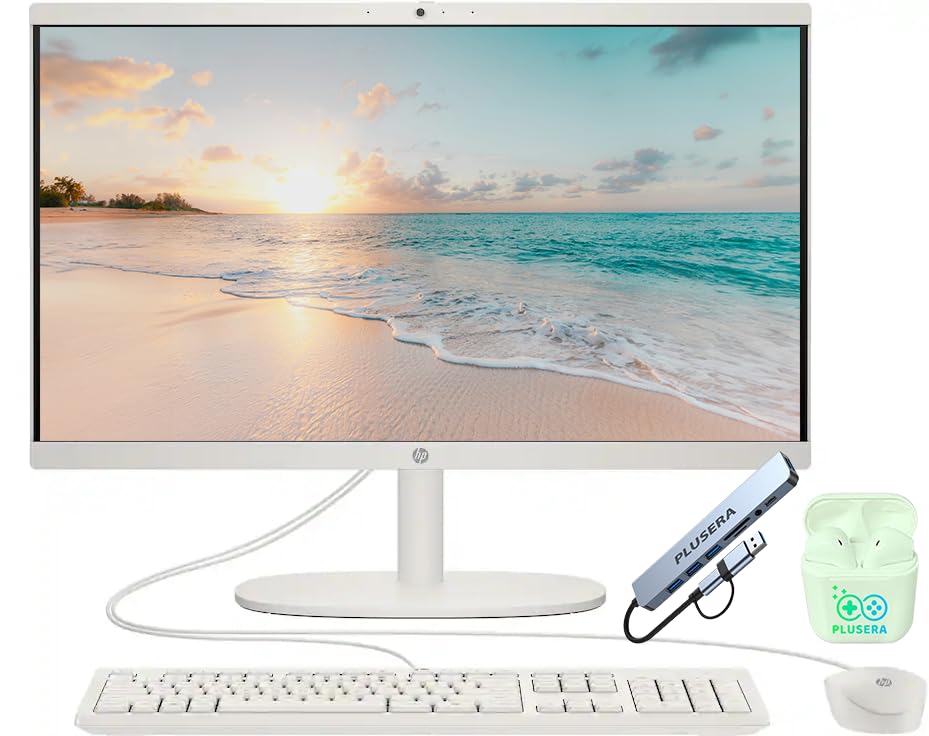
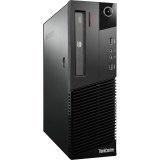
Business-line desktops from major manufacturers typically use more rigorously tested components, offer longer and more comprehensive warranty options, and maintain consistent configurations for longer product cycles than consumer lines. That consistency matters if you plan to buy several machines over time and want them to behave predictably as a fleet, rather than each one being a slightly different generation with different drivers and quirks.
Consumer desktops are often cheaper for similar specs, which can make sense for a very small operation with one or two machines and no real need for fleet consistency or extended support.
Processor and RAM for Typical Business Software
Most small business workloads, office suites, accounting software, web-based tools, and video conferencing, run comfortably on a mid-range modern processor. Where businesses often underspend is RAM: 16GB should be treated as a minimum in 2026, with 32GB recommended for anyone running several browser tabs, a CRM, and video calls simultaneously, which describes a large share of modern office work.
Reliability, Warranty, and Support Considerations
For a small business, downtime is a direct cost, not just an inconvenience, so warranty length and support responsiveness deserve real weight in the buying decision. On-site warranty service, next-business-day repair options, and accessible business support lines are worth paying a premium for if your business genuinely cannot afford several days of a key machine being down for repair.
Buying from lines specifically marketed to business customers, rather than consumer models, typically gets you access to these better support tiers even at similar base hardware specs.
Security and Manageability Features
Business-focused desktops increasingly ship with hardware-level security features like a dedicated security chip, BIOS-level protections, and remote management tools that let you or an IT provider manage settings and updates without physically touching each machine. For a small business handling any customer data, these features are worth prioritizing over marginal performance gains elsewhere in the spec sheet.
Scaling Considerations for Growing Teams
If you expect to add employees and machines over the next few years, standardizing on a single desktop line or manufacturer early makes future purchasing, support, and troubleshooting noticeably simpler than a mixed fleet accumulated ad hoc. Consider whether a vendor offers volume purchasing options or fleet management tools, even if you only need them for a handful of machines today.
Storage and Backup Planning
A fast NVMe SSD as the primary drive keeps everyday software launches and file access quick, and 512GB is a reasonable starting point for most office workloads, with 1TB recommended if you store larger files locally rather than in the cloud. Beyond the drive itself, a small business buying decision should always include a real backup plan, since a single drive failure without backup can mean losing client records, financial data, or years of accumulated files in an instant.
Cloud backup services or a simple network-attached storage device add real protection for a relatively small ongoing cost, and this consideration matters as much as the specs of the computer itself when evaluating total risk for a small business desktop purchase.
Budgeting Across Multiple Machines
When buying for more than one employee, it is often smarter to standardize on a single configuration rather than customizing each machine to a slightly different spec, since a uniform fleet is easier to troubleshoot, easier to replace parts for, and simpler to budget for as the business grows. Building in a little more RAM or storage than the current job strictly requires also reduces how often you need to replace machines as software demands creep upward over a few years.
Energy Costs and Total Cost of Ownership
Electricity costs add up across a fleet of always-on office machines, so factoring in power efficiency alongside sticker price gives a more accurate picture of what a desktop actually costs over its working life. A slightly more expensive, more efficient model often costs less in total once you account for several years of daily operation across multiple machines.
Frequently Asked Questions
Should a small business buy consumer or business-line desktops?
Business-line desktops make sense once you have more than a couple of machines or need reliable support, thanks to better warranty terms and consistent configurations. A very small operation with one or two computers can often get by with well-chosen consumer models.
How much RAM does a small business desktop need?
16GB is a workable minimum, but 32GB is increasingly the practical standard given how much modern browsers, video calls, and business software consume simultaneously.
Is it worth paying for on-site warranty support?
For a business where downtime directly costs money, yes. On-site or next-business-day repair options minimize how long a critical machine sits broken compared to standard mail-in warranty service.
Do small business computers need dedicated graphics cards?
Most office and business software runs fine on integrated graphics. A dedicated graphics card is only necessary if your business does design work, video editing, or other graphically intensive tasks.
How often should a small business replace its desktop computers?
Three to five years is a common replacement cycle, balancing continued reliability and warranty coverage against the diminishing returns of squeezing extra years out of aging hardware.
What security features matter most for a small business desktop?
A dedicated hardware security chip, BIOS-level protections against firmware attacks, and remote management capability are the features that matter most, especially for any business handling customer or financial data.
Bottom Line
The right small business desktop balances upfront hardware cost against warranty terms, support responsiveness, and manageability, since those factors determine your real total cost once you account for downtime and IT overhead rather than sticker price alone.
Related reading: best ai computer for home and best workstation desktop.