
Best Headsets for Gym in 2026: Which Type Is Right for You?
Disclosure: We may earn a commission when you buy through links on this page, at no extra cost to you. As an Amazon Associate I earn from qualifying purchases. Learn more

Gym headphone types compared and how to choose the best headsets for gym workouts.
The right headphones can make a workout fly by, but the gym is hard on audio gear. Sweat soaks ear tips, jumping and lifting knock buds loose, cables snag on equipment and batteries die mid set. A good gym headset stays put through burpees and deadlifts, survives sweat, blocks out clanging weights or keeps you aware of your surroundings, and lasts through several sessions per charge. The best headsets for gym workouts balance a secure fit, water resistance, battery life and sound that keeps you motivated.
This guide compares the main types of gym headphones side by side, helps you choose between open ear and in ear designs, explains the features that matter and shares care tips to make them last.





Types of Gym Headsets Compared
Ear hook earbuds stay most secure during intense training, true wireless earbuds are the most compact, bone conduction and open ear headphones keep you aware of your surroundings, and over ear headphones suit weightlifting but trap heat.
| Type | Best For | Pros | Cons | Typical Price |
|---|---|---|---|---|
| Ear hook sport earbuds | HIIT, running, CrossFit | Very secure fit, good bass, often ANC | Bulkier case | Around $60 to $200 |
| True wireless earbuds | General gym use | Compact, light, easy to carry | Can loosen during intense moves | Around $20 to $250 |
| Bone conduction and open ear | Outdoor runs, situational awareness | Ears stay open, comfortable, no ear tips | Less bass, sound leaks | Around $25 to $200 |
| Over ear headphones | Weightlifting, low movement training | Big sound, strong noise blocking | Hot, heavy, can slip | Around $50 to $350 |
Ear Hook Sport Earbuds
Ear hook earbuds wrap a flexible hook around the outer ear, locking the bud in place even during jump rope, sprints and box jumps. Models like the Soundcore Sport X20 add active noise cancellation, and many offer IPX5 or higher sweat resistance.
The hooks can feel bulky with glasses or helmets, and charging cases are larger than standard earbuds. For high intensity training, though, they are the most secure option.
True Wireless Earbuds
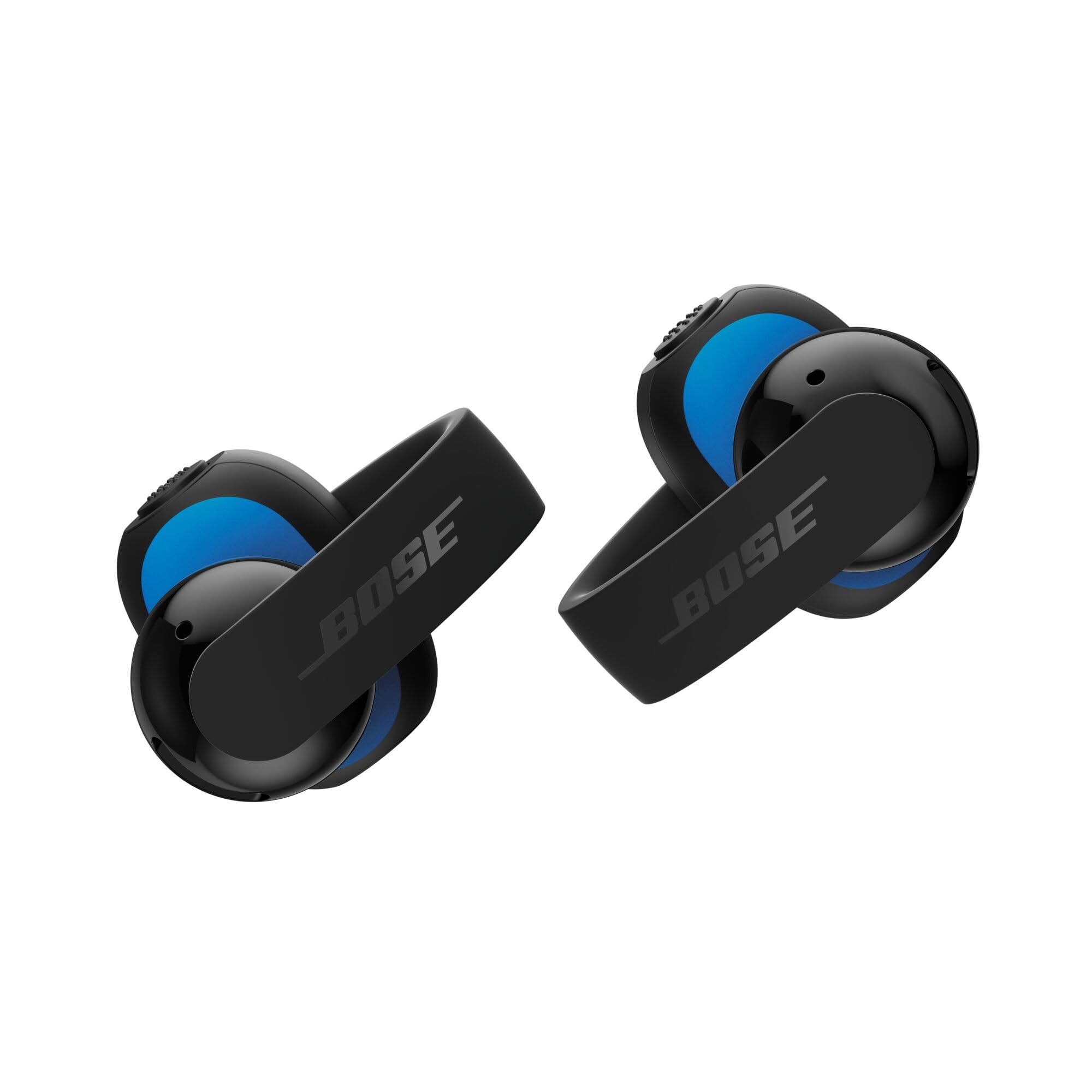
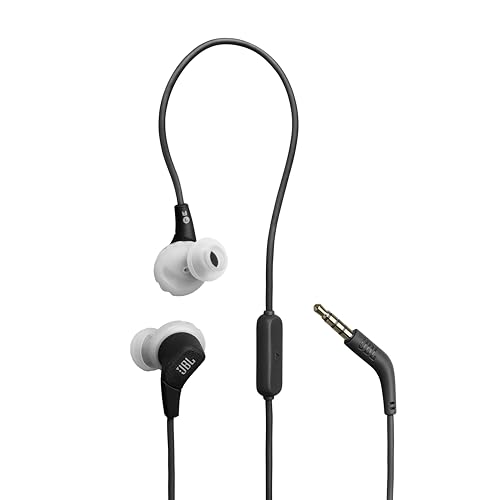
Standard true wireless earbuds are small, light and easy to keep in a pocket or gym bag. With the right size ear tips and wing tips, many stay secure for weightlifting and steady cardio. Sport models like the JBL Endurance line add fit features and stronger water resistance.
Without hooks or wings, some earbuds loosen during jumping or heavy sweating, so check fit options.
Bone Conduction and Open Ear Headphones
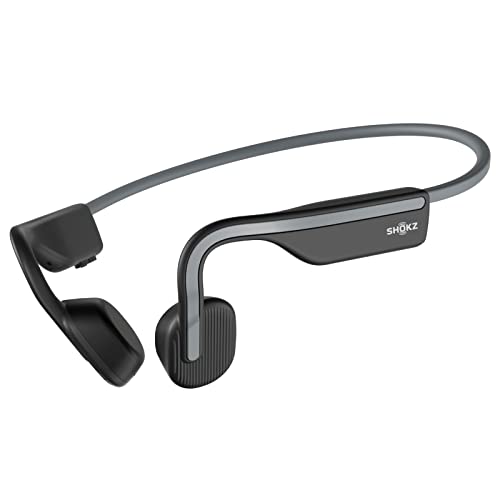
Bone conduction headphones like the SHOKZ OpenMove send sound through your cheekbones, leaving ears open to hear traffic, trainers and gym announcements. Open ear air conduction models sit beside the ear canal. They are comfortable for long sessions and never press into sweaty ears.
The trade offs are lighter bass and sound leakage, so they are less immersive in loud gyms.
Over Ear Headphones
Over ear headphones deliver the fullest sound and strong noise blocking, which some lifters like for focus. They get hot and sweaty, can slide off during cardio and are bulky to carry. Choose models with sweat resistant ear pads if you use them at the gym.
Ear Hook Earbuds vs Bone Conduction: Which Should You Choose?
Choose ear hook earbuds if you want the most secure fit, fuller bass and noise cancellation for intense indoor workouts, and choose bone conduction or open ear headphones if you run outdoors, want to hear your surroundings or dislike earbuds in your ears.
- Fit: both stay put well; ear hooks lock in, bone conduction wraps around the head.
- Sound: ear hooks deliver more bass and isolation.
- Awareness: bone conduction keeps ears open for safety.
- Comfort: open ear designs avoid pressure and sweat buildup in the ear.
- Battery: earbuds with charging cases often provide more total listening time.
How to Choose the Right Gym Headset
Noise Cancellation and Isolation
Active noise cancellation (ANC) reduces gym noise like treadmills and dropped weights, letting you hear music at lower volumes. Transparency or ambient modes let in sound when you need to talk to a trainer. Open ear designs offer no isolation by design.
Battery Life and Charging
Look for at least 6 to 8 hours per charge for earbuds, plus a case with extra charges. Bone conduction headphones like the OpenMove offer about 6 hours per charge. Fast charging is useful when you forget to charge before the gym.
Features That Matter for the Gym
Sweat and water resistance of IPX4 or higher, secure fit options, physical buttons that work with sweaty fingers and multipoint Bluetooth for switching between phone and watch all matter. Some earbuds connect directly to smartwatches.
Sound Quality and Tuning
Many workout headphones emphasize bass for energy. Companion apps with EQ let you adjust sound to your taste. A good seal from the right ear tip size improves bass dramatically in earbuds.
Fit and Comfort
Try different ear tip sizes and wing tips. Lightweight designs reduce fatigue during long sessions. If you wear glasses or a cap, check that hooks or headbands do not interfere.
Best Headsets for Specific Needs
Best Bluetooth Headsets for Gym: Which Type Works Best
The best Bluetooth headsets for gym use are ear hook earbuds for high intensity training and bone conduction headphones for runners who need awareness. Both avoid cables that snag on equipment, and modern Bluetooth versions keep connections stable while your phone sits in a pocket or on a bench.
Best Gym Headsets for Running
Runners benefit from secure ear hooks or open ear designs that keep them aware of traffic. Lightweight models with long battery life suit long runs.
Best Budget Gym Headsets
Budget options under $50 include basic open ear headphones and sweat resistant earbuds. They lack premium sound and ANC but cover the essentials.
How Much to Spend on the Best Headsets for Gym
- Under $50: budget earbuds and open ear headphones with basic sweat resistance.
- Around $50 to $100: sport earbuds and bone conduction headphones from established brands like SHOKZ, JBL and Soundcore.
- Over $100: premium sport earbuds with ANC, better sound and longer battery life.
Best Headphone Style by Workout Type
| Workout | Best Style | Why |
|---|---|---|
| HIIT, CrossFit, jump rope | Ear hook earbuds | Stay locked in during jumping and fast movement |
| Weightlifting | True wireless or over ear | Comfort and immersion for slower, focused sets |
| Outdoor running and cycling | Bone conduction or open ear | Hear traffic and surroundings |
| Treadmill and indoor cardio | ANC earbuds | Block machine noise at lower volumes |
| Yoga and stretching | Small true wireless earbuds | Light and unobtrusive when lying down |
| Swimming | Waterproof bone conduction with storage | Bluetooth does not travel well underwater |
How to Get a Secure Fit With Earbuds
- Try every ear tip size: the right size seals without pressure and improves bass.
- Insert with a slight twist: rotate the bud so the tip sits snugly in the canal.
- Use wing tips or hooks: they anchor against the ear's ridges.
- Consider foam tips: they expand to fit and grip better than silicone for some people.
- Check fit with the app: some brands include an ear tip fit check.
Protecting Your Hearing at the Gym
Loud gyms tempt people to raise the volume, which adds up over months of workouts. A common guideline is to keep volume at about 60 percent of maximum for no more than about 60 minutes at a time. ANC earbuds help by lowering background noise so music sounds clear at lower volumes. Take breaks between sessions, and if you notice ringing in your ears after workouts, turn it down.
Using Gym Headphones With a Smartwatch
Many runners and gym goers leave their phone behind and stream music from a smartwatch. Make sure your headphones pair with your watch over Bluetooth and that the watch supports offline music from your streaming service. Multipoint Bluetooth lets earbuds stay connected to both phone and watch, switching automatically when audio starts.
Common Problems and Fixes
- Earbuds fall out: switch ear tip sizes, add wings or move to an ear hook design.
- Audio cuts out: keep your phone on the same side as the primary earbud and away from metal racks.
- Sweat causes charging issues: dry earbuds and clean contacts before charging.
- Muffled sound: clean ear wax and sweat buildup from the mesh with a soft dry brush.
Understanding Water Resistance Ratings
- IPX4: resists sweat and splashes from any direction; enough for most gym sessions.
- IPX5: withstands water jets; good for heavy sweaters and rainy runs.
- IPX7: survives brief submersion; handy if you rinse earbuds after workouts.
- IP55 or IP68: the first digit adds dust protection, useful for trail runners.
Charging cases are usually not water resistant, so dry earbuds before putting them away.
Over Ear Headphones at the Gym: Pros and Cons
Some lifters prefer over ear headphones for their immersive sound and strong noise blocking, and for not having to fit anything inside the ear. They work best for strength training with limited movement. Downsides include heat buildup, sweat soaking into ear pads, slipping during cardio and bulk in a gym bag. If you choose over ears, look for sweat resistant or washable ear pads and a snug clamping force.
Gym Etiquette and Safety Tips
- Keep volume moderate to protect hearing and hear spotters or emergency announcements.
- Use transparency mode or open ear headphones when lifting heavy with a spotter.
- Avoid taking calls on the gym floor where others are training.
- Keep cables and cases off benches and walkways.
How to Make Your Gym Headset Last Longer
- Wipe headphones and ear tips after every workout to remove sweat.
- Let them dry before putting them back in the case.
- Clean charging contacts with a dry cotton swab.
- Replace ear tips when they lose their seal.
- Avoid leaving headphones in hot cars or gym bags for long periods.
Frequently Asked Questions
What features matter most in headsets for gym workouts?
A secure fit, sweat resistance of at least IPX4, enough battery for several workouts, reliable Bluetooth and sound or awareness that suits your training matter most.
How long does the battery last on gym headphones?
Most sport earbuds last about 6 to 10 hours per charge, with cases adding several more charges. Bone conduction headphones usually last about 6 to 10 hours.
What IP rating do I need for the gym?
IPX4 handles sweat and splashes. IPX5 or IPX7 offers more protection for heavy sweaters, outdoor runs in rain or rinsing headphones.
Wired or wireless: which sounds better?
Wired headphones can sound slightly better and never need charging, but cables snag on equipment. Wireless earbuds are far more convenient for the gym.
Is ANC worth the extra cost for the gym?
ANC helps in loud gyms by blocking background noise so you can listen at lower volumes. It is less important for outdoor runs, where awareness matters more.
Do I need a special codec?
Not for the gym. Standard Bluetooth codecs like SBC and AAC sound good for workout music. High resolution codecs matter more for quiet listening at home.
Can I use gaming headsets at the gym?
Gaming headsets are designed for desks, with bulky padding, wires or boom mics that are not sweat resistant. Sport earbuds or bone conduction headphones are far better for workouts.
Are bone conduction headphones good for lifting?
They work well for lifters who want to hear their spotter or coach, but bass is lighter than earbuds. In loud gyms, they may be harder to hear clearly.
How do I clean sweaty earbuds?
Wipe earbuds with a dry or slightly damp cloth after each workout, remove and rinse silicone ear tips with mild soapy water, then let everything dry fully. Use a soft brush on speaker mesh and avoid soaking the earbuds themselves.
How long do workout earbuds last?
Most workout earbuds last about two to three years with regular use. Batteries gradually lose capacity, and sweat exposure can shorten lifespan without regular cleaning.
Should I buy separate headphones for the gym?
Many people keep a dedicated pair of sweat resistant sport earbuds for workouts and premium headphones for commuting and home. This protects expensive headphones from sweat and drops.
Wrapping Up
Choose a gym headset by how you train. Ear hook earbuds suit high intensity workouts, true wireless earbuds suit general training, bone conduction and open ear headphones suit runners and awareness and over ear headphones suit focused lifting. Prioritize fit, sweat resistance and battery life, and the best headsets for gym sessions will keep you moving. Check the product table above for current models and prices, and see our best bone conduction headsets guide for open ear options.


