
Best 12 Inch Speakers: Powered, Passive and Portable Options Compared
Disclosure: We may earn a commission when you buy through links on this page, at no extra cost to you. As an Amazon Associate I earn from qualifying purchases. Learn more

Best 12 inch speakers compared by cabinet type, power, weight and inputs, for bands, DJs, church halls and backyard events.
The twelve inch cabinet is the workhorse size of live sound. It is light enough for one person to carry, loud enough for a small venue and balanced enough to handle both vocals and music. The best 12 inch speakers in that category are the ones that match the room, the source and the way you move gear around.
This guide sorts the options by cabinet type, explains the numbers that matter and flags the details that cause regret after the first gig. The product table above lines up a range of models so you can compare them side by side.

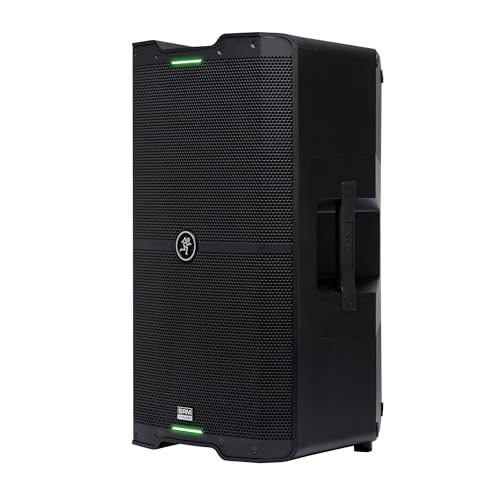


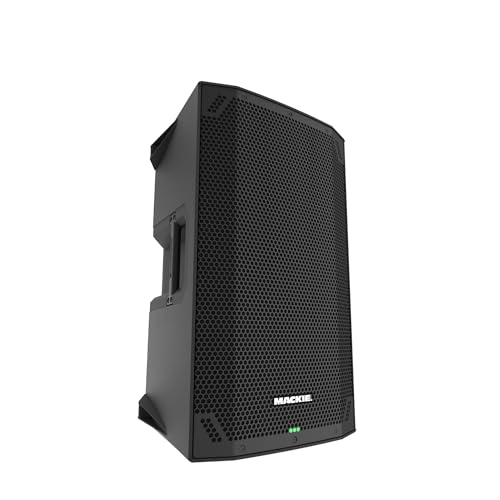

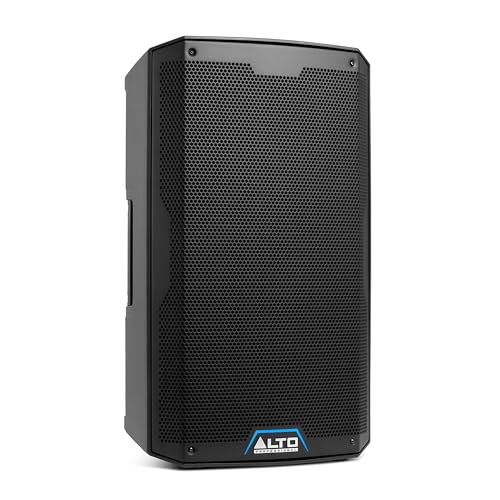

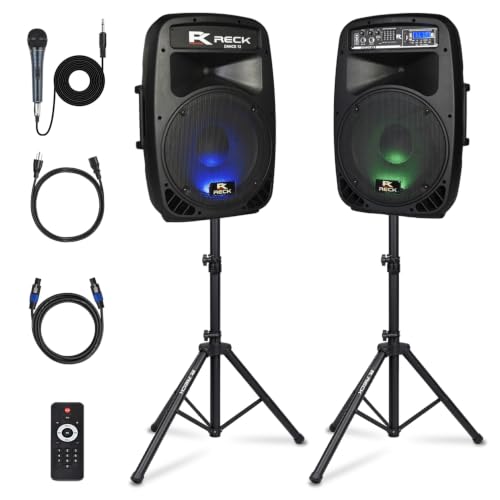

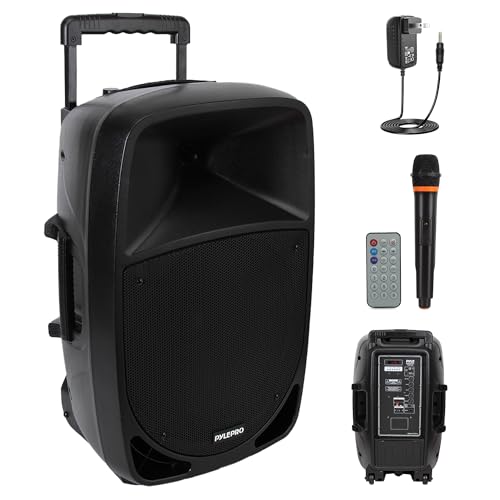
Powered, Passive and Battery 12 Inch Speakers
A powered (active) cabinet has its amplifier built in, so you plug in a mixer or microphone and it works. A passive cabinet has no amplifier and needs a separate power amp plus speaker cable, which suits fixed installs and rack-based rigs. Battery models trade some output for freedom from wall power, handy for buskers and outdoor events.
If you only want to turn up and play, buy powered. If you already own an amplifier or plan a larger system you will expand, passive gives more flexibility. For a car audio use of the same driver size, see our guide to 12 inch speakers for cars, which works very differently.
Reading the Power and Output Numbers
Manufacturers love large wattage figures, but continuous power and maximum sound pressure level tell you more. A modest amplifier with an efficient driver can sound louder and cleaner than a big number paired with a poor cone. Compare the stated maximum output across models rather than relying on watts alone.
Headroom matters too. A speaker run near its limit sounds harsh, so pick one with more capability than your loudest regular use. For speech and background music, even the smaller powered models have plenty in reserve.
What Is Inside the Cabinet
A two-way design pairs the 12 inch woofer with a high-frequency horn or driver, giving a full range in one box. Some listings sell just the woofer or a midrange driver, which is a component for building your own cabinet. If that is what you want, our guide to 12 inch midrange speakers covers those drivers, and 12 inch active speakers narrows the powered cabinets further.
Cabinet material and finish affect weight and durability. Plastic enclosures are light and survive knocks; wood sounds a little warmer and weighs more. Check for a pole-mount socket, carrying handles and a tilt angle if you plan to place it on the floor as a monitor.
Inputs, Mixing and Wireless Features
Count the inputs you need before you buy. A single cabinet with a built-in mixer can handle a microphone, a guitar and a phone, while a bare cabinet only takes a line signal. XLR and quarter-inch combo inputs are the most flexible, and a link output lets you chain a second speaker.
Bluetooth is convenient for background music and karaoke, but it is not a substitute for a wired connection at a live event because of latency and range. Built-in equalizer presets help non-technical users get a decent sound quickly.
Matching a 12 Inch Speaker to the Venue
For a living room or garage, one cabinet is more than enough. For a small bar or church hall, a pair gives even coverage, and a separate subwoofer fills in the low end. For a backyard party, weather-resistant materials or a cover protect the gear from drizzle.
Plan the transport. A cabinet that feels light in a product photo can feel heavy after a flight of stairs, so check the listed weight and consider a padded cover. If you want to compare other sizes, our powered speaker guide looks at the category in more detail.
Choosing the Best 12 Inch Speakers for Your Budget
Entry-level powered cabinets give good value for karaoke, parties and practice rooms. Mid-priced models add better limiters, sturdier cabinets and more refined sound, which matters if you play weekly. Professional models cost much more and justify it with rugged build, clearer dispersion and flexible mounting.
Think in total cost. A stand, cables and a padded cover add to the bill, and a second cabinet doubles it. Buying one good cabinet first and adding a matching second later is a sensible path.
Placement and Setup Tips
Raise the speaker so the horn sits at ear height for the audience, because sound aimed at people's knees loses clarity. Keep microphones behind the speaker line to avoid feedback, and point the cabinet away from reflective walls if you can.
Set levels in order: start with the mixer low, bring the speaker volume to a comfortable point, then raise the source. If the sound distorts, lower the input gain rather than the master. Place cables where nobody can trip over them and tape down runs in busy areas.
Common Mistakes to Avoid
Buyers often chase the biggest wattage claim and overlook weight, inputs or cabinet quality. Another frequent error is buying a passive cabinet without an amplifier, which leaves it silent until a second purchase. Others skip the pole socket and later find they cannot raise the speaker.
Finally, remember that more speakers are not always better. One well-placed cabinet beats two poorly placed ones, and neighbors, venue rules and ears all appreciate sensible volume.
Frequently Asked Questions
Is a 12 inch speaker big enough for a band?
For a small venue, yes, especially in pairs. For bigger rooms or very loud music you will want a subwoofer or larger cabinets, and a decent mixer helps the band balance its own sound.
Do I need a subwoofer with a 12 inch speaker?
Not for speech or casual music. For bass-heavy music at higher volume, a separate subwoofer relieves the 12 inch driver and cleans up the sound.
Can I use a passive speaker with a mixer?
Only through a power amplifier. A mixer's output is not strong enough to drive a passive cabinet directly.
Is Bluetooth good enough for live use?
It works for playback, but a cable is more reliable for microphones and instruments, because wireless links can add delay and drop out.
How should I protect my speakers while traveling?
Use padded covers, avoid stacking heavy items on top and keep cabinets upright. Moisture and knocks cause more damage than normal playing.
Wrapping Up
Decide between powered and passive first, then compare output, weight and inputs against your real venue. The best 12 inch speakers are not the ones with the largest printed wattage but the ones you can carry, connect and trust every time. The product table above makes the comparison quick.
Prices and availability can change, so check the product page before ordering.


