
Best Gaming Monitor Brands: An Honest Comparison
Disclosure: We may earn a commission when you buy through links on this page, at no extra cost to you. As an Amazon Associate I earn from qualifying purchases. Learn more

ASUS ROG, LG UltraGear, Samsung Odyssey, MSI, Alienware, AOC, BenQ Zowie and Gigabyte compared by what each brand does best and who it suits.
Walk into any gaming monitor listing and you will see a dozen brands promising faster refresh rates, deeper blacks and lower input lag. Some brands lead on cutting edge OLED panels, others on value or esports speed, and their warranties and support differ too. This guide to the best gaming monitor brands compares the major names on clear criteria, so you know which brand to trust for your budget and play style.
The short answer: ASUS ROG and LG UltraGear lead for premium OLED gaming monitors, Samsung Odyssey excels at curved and ultrawide designs, MSI and Gigabyte offer strong QD OLED and W OLED value, Alienware stands out for premium ultrawides, AOC delivers the best budget performance and BenQ Zowie is the esports specialist; for most gamers, a 27 inch 1440p monitor at 240Hz from ASUS, MSI or AOC is the smartest buy.
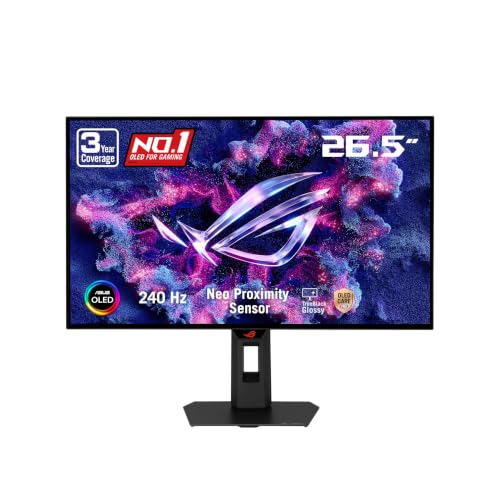
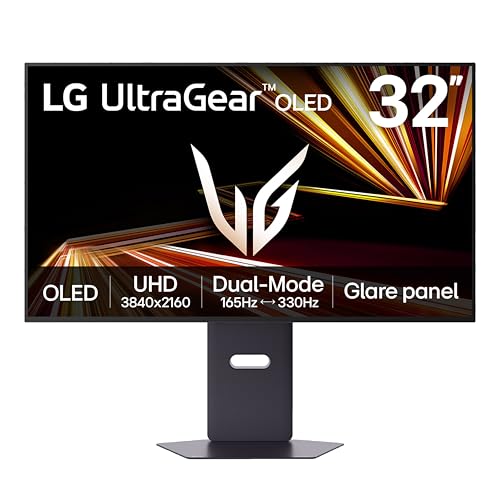
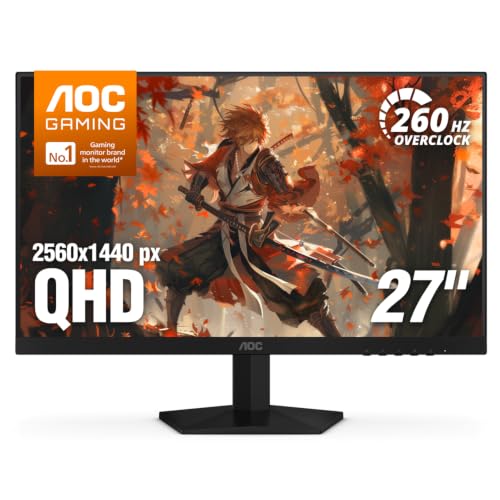

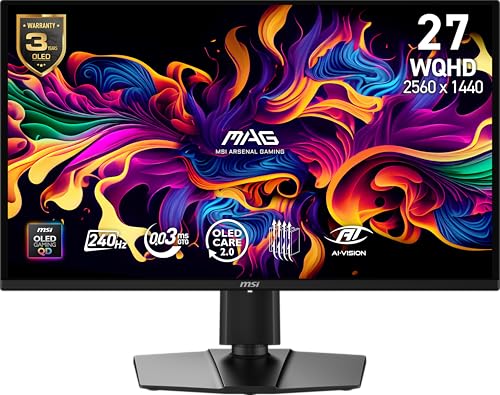

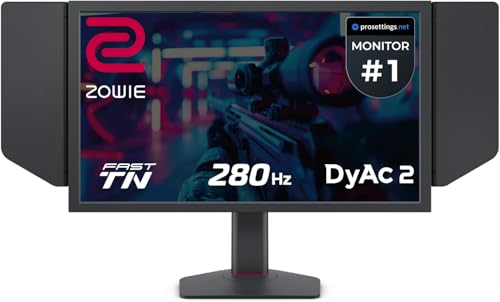
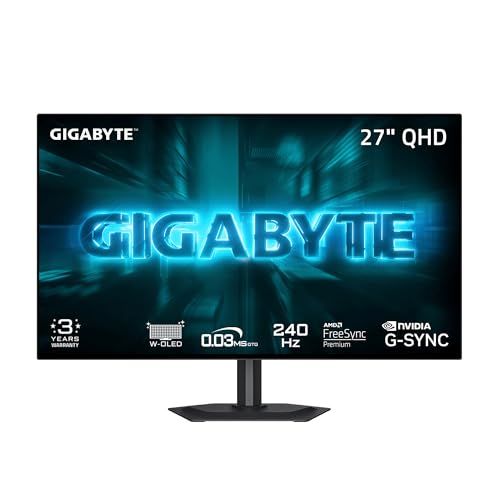
Three Monitors That Show What These Brands Do Best
These three monitors from the product table above represent the strengths of leading brands at different prices.


What Makes a Great Gaming Monitor Brand?
A great brand consistently delivers accurate specs, reliable panels and good support. We look at five criteria: panel quality and consistency, gaming features, warranty coverage including burn in protection for OLED, the range of models across budgets and how well the brand supports US customers with replacements and firmware updates.
Resolution and Screen Size
Strong brands offer a full lineup, from 24 inch 1080p esports panels to 27 inch 1440p mainstream monitors and 32 inch 4K or 34 inch ultrawide flagships. The 27 inch 1440p size is the sweet spot for most players, balancing sharpness and frame rates.
Adaptive Sync and Gaming Features
Look for brands that certify G Sync Compatible or FreeSync Premium support, offer low input lag modes and include features like motion blur reduction, black equalizers and crosshair overlays. Console players should look for HDMI 2.1 support for 4K at 120Hz.
HDR and Brightness
HDR quality varies hugely. OLED monitors from ASUS, LG, MSI, Gigabyte and Alienware deliver perfect blacks, while Mini LED models like AOC's Q27G3XMN push brightness. Avoid monitors labeled HDR400 if you expect dramatic HDR.
Warranty and Support
Warranty length and burn in coverage matter, especially for OLED. Several brands now include multi year coverage and OLED care features like pixel refresh. Check the warranty terms on the specific model before you buy.
Top Brands at a Glance
| Brand | Known For | Typical Price Range | Best For |
|---|---|---|---|
| ASUS ROG | OLED and high refresh innovation | Around $300 to $1,100 | Enthusiasts and competitive players |
| LG UltraGear | OLED panels, 4K and dual mode | Around $300 to $1,600 | 4K and ultrawide OLED fans |
| Samsung Odyssey | Curved and super ultrawide designs | Around $190 to $1,500 | Immersive and sim gaming |
| MSI | Affordable QD OLED | Around $350 to $600 | OLED on a budget |
| Alienware | Premium QD OLED ultrawides | Around $440 to $950 | Premium ultrawide gaming |
| AOC | Budget high refresh IPS and Mini LED | Around $150 to $380 | Value seekers |
| BenQ Zowie | Esports TN panels with DyAc | Around $500 to $1,000 | Competitive shooters |
| Gigabyte | Value OLED models | Around $350 to $650 | OLED value buyers |
ASUS ROG
ASUS ROG pushes gaming monitor technology forward, with OLED panels reaching 240Hz, 480Hz and even 540Hz. Its strengths include OLED Care Pro features and polished gaming menus. The weakness is premium pricing on flagship models. ROG suits enthusiasts who want the latest tech; the ROG XG27AQDMGR brings a 27 inch 1440p 240Hz glossy OLED to a mainstream price around $384.
LG UltraGear
LG makes many of its own OLED panels and offers UltraGear monitors from 27 inch 1440p to 45 inch 5K2K curved models. Dual mode monitors switch between 4K at high detail and 1080p at higher refresh rates. The weakness is that some W OLED panels are less bright in full screen white scenes. The 32GX850A combines 4K OLED with 165Hz or 330Hz dual mode.
Samsung Odyssey
Samsung's Odyssey line leads in curved, ultrawide and super ultrawide designs, including the 57 inch Neo G9. Budget models like the 32 inch Odyssey G55C offer 1440p curved gaming around $190. The weakness is that some menus and smart features add complexity. Odyssey suits racing, flight and immersive single player gamers.
MSI
MSI offers some of the most affordable QD OLED gaming monitors, like the MAG 274QP QD OLED X24 at 1440p 240Hz around $350. Strengths include strong value and OLED care features; the weakness is fewer premium extras than flagship brands. MSI suits gamers who want OLED contrast without paying top prices.
Alienware
Alienware, Dell's gaming brand, is known for premium QD OLED ultrawides like the 34 inch AW3425DW at 240Hz and for strong support coverage. It also makes fast IPS models like the AW2725DM. The weakness is a smaller lineup than ASUS or LG. Alienware suits buyers who want premium ultrawide gaming with confident support.
AOC
AOC delivers impressive performance for the money, with 1440p IPS monitors reaching 260Hz around $160 and Mini LED HDR models around $230. The weakness is simpler stands and build quality. AOC is the go to brand for budget gamers who want high refresh rates without overspending.
BenQ Zowie and Gigabyte
BenQ Zowie focuses on esports, with fast TN panels and DyAc motion clarity technology that pros favor for shooters; the XL2546X+ runs at 280Hz. Its weakness is limited color and contrast for single player games. Gigabyte offers value OLED models like the GO27Q24G at 240Hz, appealing to OLED shoppers on a budget.
How to Choose Between Gaming Monitor Brands
Even among the best gaming monitor brands, the specific model matters more than the logo. Brand reputation matters, but the specific model matters more. Every brand sells excellent and mediocre monitors, so compare panel type, refresh rate, HDR rating and ports for the exact model you want. Read verified buyer reviews for panel consistency and dead pixel reports, check warranty terms, especially OLED burn in coverage, and confirm US based support. Choose ASUS or LG for cutting edge OLED, Samsung for curved immersion, MSI or Gigabyte for OLED value, AOC for budget performance and BenQ Zowie for esports.
Which Brand Fits Your Budget?
Under around $200, AOC and Samsung Odyssey budget models offer 1440p high refresh gaming. From $350 to $500, MSI, Gigabyte and ASUS ROG bring OLED contrast to 27 inch 1440p panels. Above $600, LG UltraGear, Alienware and flagship ASUS models deliver 4K OLED, ultrawide QD OLED and extreme refresh rates.
FAQs
IPS vs OLED: which is better?
IPS vs OLED: which is better? OLED is better for contrast, response time and HDR, with perfect blacks and near instant pixel response. IPS is better for bright rooms, static desktop use and lower prices, with no burn in risk. Choose OLED for immersive gaming and IPS for mixed work and play.
Does refresh rate matter for non gamers?
Does refresh rate matter for non gamers? A higher refresh rate makes scrolling and cursor movement feel smoother, which even non gamers notice. However, 60Hz or 100Hz is enough for office work. Gamers benefit most from 144Hz to 240Hz or higher.
How long do they last?
How long do they last? Gaming monitors usually last 5 to 10 years. IPS and VA panels age slowly, while OLED panels can develop burn in over years of static content, so use OLED care features and screen savers. Strong warranties offer peace of mind.
What size should I get for my desk?
What size should I get for my desk? Most gamers should choose 27 inches at 1440p for a typical desk. Competitive players often prefer 24 or 25 inches at 1080p for faster eye tracking, while 32 inch 4K and 34 inch ultrawides suit deeper desks and immersive games.
Is 4K worth it?
Is 4K worth it? 4K is worth it on 32 inch monitors if you have a powerful graphics card or play on consoles. For most PC gamers, 1440p offers a better balance of sharpness and frame rates.
Final Thoughts
The right brand depends on what you value most: ASUS ROG and LG UltraGear for premium OLED innovation, Samsung Odyssey for curved immersion, MSI and Gigabyte for OLED value, Alienware for premium ultrawides, AOC for budget speed and BenQ Zowie for esports. Always compare the specific model and warranty. Explore the best gaming monitor brands in the product table above to find the monitor that fits your setup.


